
Russia intercepts ballistic missile over Moscow, blames Ukraine’s FP-9

https://en.defence-ua.com/weapon_and_tech/why_ukraines_fire_point_fp_7_and_fp_9_ballistic_missiles_resemble_russias_48n6_from_the_s_400_system-16601.html

Russia intercepts ballistic missile over Moscow, blames Ukraine’s FP-9

NATO and Russia military clash

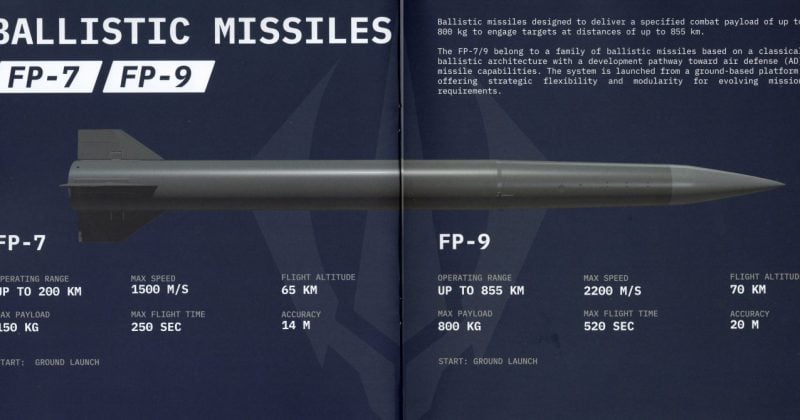
Russia has reported the interception of a long-range ballistic missile over the Moscow region, suggesting increased military tensions between Russia and Ukraine. The missile is believed by the Kremlin to be Ukraine’s newly developed FP-9, a short-range ballistic missile designed to reach major Russian cities. This development comes amid the ongoing Russo-Ukrainian War, now in its fifth year, as Ukraine seeks to enhance its strike capabilities against Russian positions. The interception by Russia’s advanced air defense systems underscores the growing complexity of the conflict.

Advertisement

Key Takeaways

  • The interception of a ballistic missile over Moscow suggests heightened military tensions and potential escalation between Russia and Ukraine.
  • Markets appear to interpret this event as consistent with increased likelihood of a NATO-Russia military clash, with pricing reflecting this scenario.
  • Ukraine’s potential deployment of new ballistic missile technology could indicate a shift in its military strategy, affecting regional stability.

What to Watch

Observers will closely monitor further developments regarding Ukraine’s missile capabilities and any official statements from NATO. The response from Russian leadership, including any military or diplomatic actions, will be critical in assessing the potential for broader conflict escalation. Market participants may find increased pricing volatility in scenarios linked to military engagements in the region.

Get prediction market intelligence as a structured API feed. Early access waitlist.

Disclosure: This article was edited by Estefano Gomez. For more information on how we create and review content, see our Editorial Policy.

Russia intercepts ballistic missile over Moscow, blames Ukraine’s FP-9

Russia intercepts ballistic missile over Moscow, blames Ukraine’s FP-9

NATO and Russia military clash

https://en.defence-ua.com/weapon_and_tech/why_ukraines_fire_point_fp_7_and_fp_9_ballistic_missiles_resemble_russias_48n6_from_the_s_400_system-16601.html

Russia has reported the interception of a long-range ballistic missile over the Moscow region, suggesting increased military tensions between Russia and Ukraine. The missile is believed by the Kremlin to be Ukraine’s newly developed FP-9, a short-range ballistic missile designed to reach major Russian cities. This development comes amid the ongoing Russo-Ukrainian War, now in its fifth year, as Ukraine seeks to enhance its strike capabilities against Russian positions. The interception by Russia’s advanced air defense systems underscores the growing complexity of the conflict.

Advertisement

Key Takeaways

  • The interception of a ballistic missile over Moscow suggests heightened military tensions and potential escalation between Russia and Ukraine.
  • Markets appear to interpret this event as consistent with increased likelihood of a NATO-Russia military clash, with pricing reflecting this scenario.
  • Ukraine’s potential deployment of new ballistic missile technology could indicate a shift in its military strategy, affecting regional stability.

What to Watch

Observers will closely monitor further developments regarding Ukraine’s missile capabilities and any official statements from NATO. The response from Russian leadership, including any military or diplomatic actions, will be critical in assessing the potential for broader conflict escalation. Market participants may find increased pricing volatility in scenarios linked to military engagements in the region.

Get prediction market intelligence as a structured API feed. Early access waitlist.

Disclosure: This article was edited by Estefano Gomez. For more information on how we create and review content, see our Editorial Policy.