
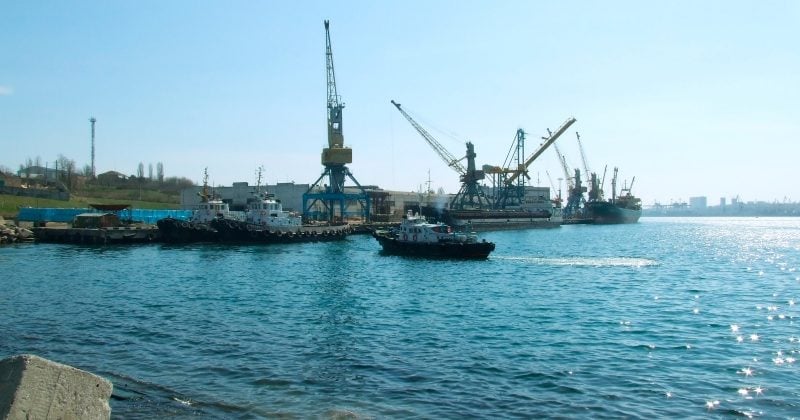
Russia strikes Ukrainian military cargo at Chornomorsk port in Black Sea escalation

https://en.wikipedia.org/wiki/Chornomorsk

Russia strikes Ukrainian military cargo at Chornomorsk port in Black Sea escalation

Ukraine recapture of crimea

The Russian Defence Ministry has announced a strike on Ukrainian military cargo facilities at the Chornomorsk port, as reported by a major news source. This event is part of a broader escalation characterized by increased long-range drone and missile exchanges between Russia and Ukraine, particularly targeting strategic assets in the Black Sea region. The Chornomorsk port, located in the Odesa region, serves as a significant grain export hub and logistical site for Ukraine’s defense efforts. The strike’s focus on military cargo, fuel, and lubricants underscores the dual military-economic nature of the target, suggesting an intensification in the conflict’s logistical warfare.

Advertisement

Key Takeaways

  • The reported strike appears to suggest an escalation in the Black Sea conflict, focusing on logistical choke points.
  • Market pricing indicates a possible decrease in the likelihood of Ukraine recapturing Crimea by the end of 2026.
  • The ongoing high-intensity phase of the conflict, with no ceasefire, appears consistent with continued military tensions.

What to Watch

Observers will be attentive to any responses from Ukrainian forces and potential shifts in control in the Odesa region. Developments in the logistics and supply chain disruptions could further impact the military dynamics in the region. Any updates from the Institute for the Study of War (ISW) regarding territorial changes in Crimea or strategic advancements by either side could significantly influence market perceptions. Markets will likely adjust based on further confirmation of strikes and their impacts on Ukrainian military capabilities.

Get live prediction-market analysis, powered by Vera. Sign up for Vera.

Disclosure: This article was edited by Estefano Gomez. For more information on how we create and review content, see our Editorial Policy.

Russia strikes Ukrainian military cargo at Chornomorsk port in Black Sea escalation

Russia strikes Ukrainian military cargo at Chornomorsk port in Black Sea escalation

Ukraine recapture of crimea

https://en.wikipedia.org/wiki/Chornomorsk

The Russian Defence Ministry has announced a strike on Ukrainian military cargo facilities at the Chornomorsk port, as reported by a major news source. This event is part of a broader escalation characterized by increased long-range drone and missile exchanges between Russia and Ukraine, particularly targeting strategic assets in the Black Sea region. The Chornomorsk port, located in the Odesa region, serves as a significant grain export hub and logistical site for Ukraine’s defense efforts. The strike’s focus on military cargo, fuel, and lubricants underscores the dual military-economic nature of the target, suggesting an intensification in the conflict’s logistical warfare.

Advertisement

Key Takeaways

  • The reported strike appears to suggest an escalation in the Black Sea conflict, focusing on logistical choke points.
  • Market pricing indicates a possible decrease in the likelihood of Ukraine recapturing Crimea by the end of 2026.
  • The ongoing high-intensity phase of the conflict, with no ceasefire, appears consistent with continued military tensions.

What to Watch

Observers will be attentive to any responses from Ukrainian forces and potential shifts in control in the Odesa region. Developments in the logistics and supply chain disruptions could further impact the military dynamics in the region. Any updates from the Institute for the Study of War (ISW) regarding territorial changes in Crimea or strategic advancements by either side could significantly influence market perceptions. Markets will likely adjust based on further confirmation of strikes and their impacts on Ukrainian military capabilities.

Get live prediction-market analysis, powered by Vera. Sign up for Vera.

Disclosure: This article was edited by Estefano Gomez. For more information on how we create and review content, see our Editorial Policy.