
Via theverge.com
Senate Democrats press Meta on AI safeguards as crypto scam losses mount
Senators Gillibrand and Kelly want answers on how Meta protects vulnerable users from deepfake and chatbot-driven fraud, a problem the crypto industry knows all too well.
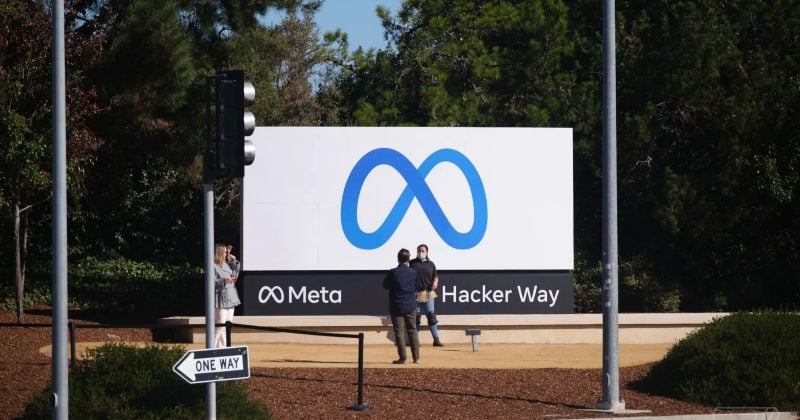
Two Democratic senators just put Meta on notice over what they see as a growing epidemic of AI-powered scams targeting America’s most vulnerable users. The letter, sent by Senators Kirsten Gillibrand of New York and Mark Kelly of Arizona, both members of the Senate Special Committee on Aging, demands to know what safeguards the tech giant has in place to protect “at-risk users” from increasingly sophisticated fraud.
What the senators are actually asking
Gillibrand and Kelly zeroed in on the tools that have made modern scams nearly indistinguishable from legitimate communications: chatbots, deepfakes, and voice cloning technology. Their specific concern is older Americans, a demographic whose cognitive vulnerabilities make them disproportionately susceptible to fraud orchestrated through these AI tools.
The letter is part of a broader pattern of congressional activity around AI safety that has been building through 2025 and into 2026. Prior communications from lawmakers have targeted AI interactions with minors, transparency in advertising, and content moderation practices on social platforms. This latest salvo adds elder fraud to the growing list of congressional concerns.
The crypto connection runs deeper than you think
While no specific cryptocurrencies or tokens were mentioned in the senators’ letter, the overlap between AI scams and crypto fraud is enormous and well-documented. Fraudsters routinely impersonate trusted public figures through high-quality deepfakes to promote fake investment schemes, and digital assets remain the preferred payment rail for these operations.
AI, tech, and the markets they move—in one daily briefing.
Daily. Free. Join 34,000+ readers across crypto, finance, and policy.
The playbook is grimly efficient. A deepfake video of a well-known entrepreneur or celebrity appears on Facebook or Instagram, promoting a “limited-time” crypto investment opportunity. The victim, often an older adult less familiar with both AI capabilities and cryptocurrency mechanics, clicks through to a convincing but fraudulent platform. By the time they realize what happened, the funds are gone, moved through a series of wallets that make recovery nearly impossible.
Why this matters for digital asset markets
If Congress moves toward stricter rules around AI-generated content on social platforms, the ripple effects will hit crypto marketing and user acquisition hard. Tighter content moderation requirements, mandatory AI content labeling, or outright bans on certain types of financial promotions would raise the cost of customer acquisition significantly. Platforms that host cryptocurrency-related advertisements or content may be compelled to implement more robust verification processes, including mandatory identity checks for advertisers, real-time AI detection systems scanning for deepfakes, and enhanced monitoring of sponsored content.
The growing demand for anti-fraud AI detection tools represents a genuine market opportunity. Companies building identity verification solutions, deepfake detection algorithms, and on-chain analytics tools stand to benefit from what could become a regulatory mandate for their products. Several blockchain-native projects are already working on decentralized identity verification and proof-of-humanity systems designed to address exactly this kind of problem.