
SpaceX prepares to launch Starship as soon as tomorrow

SpaceX prepares to launch Starship as soon as tomorrow

SpaceX's Starship is scheduled for its 13th launch, aiming to deploy Starlink satellites and test new technologies

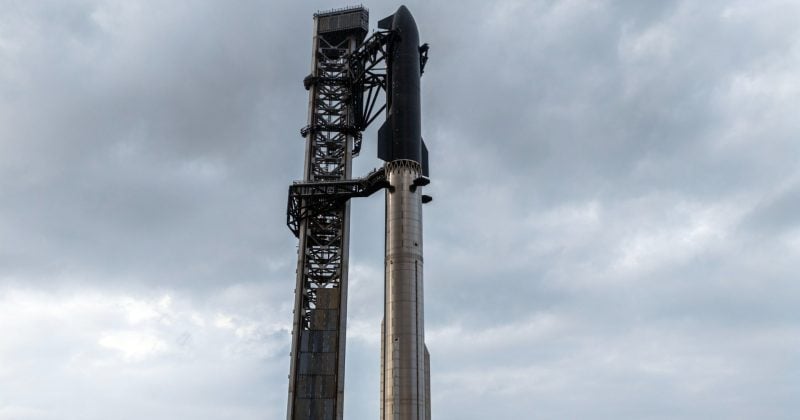
It’s been said that patience is a virtue. For SpaceX, it’s a necessity. After completing preflight checks, the company is gearing up for the 13th launch of its Starship, set for July 23, 2026. Weather permitting, of course.

To get technical, this mission involves SpaceX’s Super Heavy booster, specifically its 20th iteration, and aims to send 20 Starlink V3 satellites on a suborbital mission. But it’s not just a routine flyby—several key technological tests are part of the agenda. You can hear the engineers buzzing from here.

The nuts and bolts of the mission

The launch window for this mission is set to open at 5:45 p.m. Central Time, giving SpaceX a 90-minute span to get everything just right. Should the clouds cooperate, Starship will test a few things besides just getting those satellites into position. Among them are the booster catch attempts and the relighting of in-space engines, which are crucial steps toward making the whole shebang reusable.

Advertisement

This launch follows a scrapped flight earlier in July, halted due to a booster engine issue. Talk about an anticlimax. But that’s space exploration for you; it’s less ‘2001: A Space Odyssey’ and more ‘Groundhog Day’ with a budget. The good news? Those issue checks and balances mean that tomorrow might just be the day everything lines up. Fingers crossed.

Meanwhile, the team isn’t just resting on Flight 13’s laurels. Development on Super Heavy Booster 21, built for Flight 14, is already underway. SpaceX’s ability to juggle multiple projects simultaneously is partly what makes it such a formidable player in the aerospace field.

Weathering the storm—literally

Of course, no one can truly plan for the weather. Tropical Storm Bertha looms as a critical factor in determining whether tomorrow’s mission will be a go or just another ‘close-but-no-cigar’ moment. If the storm decides to rain on SpaceX’s parade, yet another countdown could lead to nothing but suspense and a reset clock.

Why should this matter to all of us ground-dwellers? It’s a reminder of the volatile nature of aerospace and technology markets: even the best-planned launches can be scrapped at the last second. Being close to 100% isn’t good enough; sometimes space needs 100% and a sprinkling of luck.

What this means for the market

The current SpaceX mission doesn’t have much bearing on the crypto world—for now, anyway. Investors focused on aerospace technology are probably more excited than your average Bitcoin hodler. But technological milestones like these could signal broader market growth in areas like commercial spaceflight. Imagine investing in a sector before it even leaves the ground, literally.

That said, without a formal tie between SpaceX’s space missions and the realm of digital assets, investors will likely stick to watching aerospace like hawks while keeping their market speculations grounded. As any Bitcoin holder will tell you, it’s best to keep your eyes on the metrics you understand, rather than flights of fancy mentioned on social media.

However, the ripple effects of advancements in SpaceX’s technology could someday create new opportunities for decentralized applications relating to space. Maybe that sounds like science fiction, but then again, so did the idea of a reusable rocket just a few years ago.

Disclosure: This article was edited by Editorial Team. For more information on how we create and review content, see our Editorial Policy.

SpaceX prepares to launch Starship as soon as tomorrow

SpaceX prepares to launch Starship as soon as tomorrow

SpaceX's Starship is scheduled for its 13th launch, aiming to deploy Starlink satellites and test new technologies

It’s been said that patience is a virtue. For SpaceX, it’s a necessity. After completing preflight checks, the company is gearing up for the 13th launch of its Starship, set for July 23, 2026. Weather permitting, of course.

To get technical, this mission involves SpaceX’s Super Heavy booster, specifically its 20th iteration, and aims to send 20 Starlink V3 satellites on a suborbital mission. But it’s not just a routine flyby—several key technological tests are part of the agenda. You can hear the engineers buzzing from here.

The nuts and bolts of the mission

The launch window for this mission is set to open at 5:45 p.m. Central Time, giving SpaceX a 90-minute span to get everything just right. Should the clouds cooperate, Starship will test a few things besides just getting those satellites into position. Among them are the booster catch attempts and the relighting of in-space engines, which are crucial steps toward making the whole shebang reusable.

Advertisement

This launch follows a scrapped flight earlier in July, halted due to a booster engine issue. Talk about an anticlimax. But that’s space exploration for you; it’s less ‘2001: A Space Odyssey’ and more ‘Groundhog Day’ with a budget. The good news? Those issue checks and balances mean that tomorrow might just be the day everything lines up. Fingers crossed.

Meanwhile, the team isn’t just resting on Flight 13’s laurels. Development on Super Heavy Booster 21, built for Flight 14, is already underway. SpaceX’s ability to juggle multiple projects simultaneously is partly what makes it such a formidable player in the aerospace field.

Weathering the storm—literally

Of course, no one can truly plan for the weather. Tropical Storm Bertha looms as a critical factor in determining whether tomorrow’s mission will be a go or just another ‘close-but-no-cigar’ moment. If the storm decides to rain on SpaceX’s parade, yet another countdown could lead to nothing but suspense and a reset clock.

Why should this matter to all of us ground-dwellers? It’s a reminder of the volatile nature of aerospace and technology markets: even the best-planned launches can be scrapped at the last second. Being close to 100% isn’t good enough; sometimes space needs 100% and a sprinkling of luck.

What this means for the market

The current SpaceX mission doesn’t have much bearing on the crypto world—for now, anyway. Investors focused on aerospace technology are probably more excited than your average Bitcoin hodler. But technological milestones like these could signal broader market growth in areas like commercial spaceflight. Imagine investing in a sector before it even leaves the ground, literally.

That said, without a formal tie between SpaceX’s space missions and the realm of digital assets, investors will likely stick to watching aerospace like hawks while keeping their market speculations grounded. As any Bitcoin holder will tell you, it’s best to keep your eyes on the metrics you understand, rather than flights of fancy mentioned on social media.

However, the ripple effects of advancements in SpaceX’s technology could someday create new opportunities for decentralized applications relating to space. Maybe that sounds like science fiction, but then again, so did the idea of a reusable rocket just a few years ago.

Disclosure: This article was edited by Editorial Team. For more information on how we create and review content, see our Editorial Policy.