
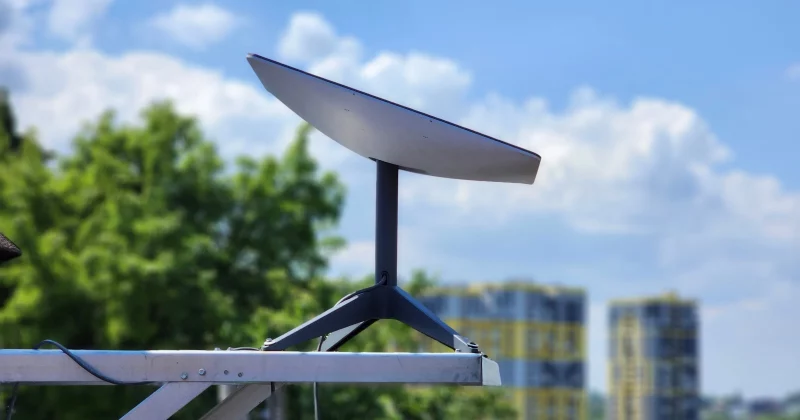
Starlink and Amazon cleared to bid for EU mobile satellite spectrum starting 2027
The European Commission is opening one-third of its 2 GHz satellite band to non-EU players while reserving the majority for homegrown operators.
The European Commission just cracked open the door to its mobile satellite spectrum, and SpaceX’s Starlink is standing right there with Amazon. Both companies are now eligible to bid for a slice of the EU’s 2 GHz mobile satellite band, with the auction process set to begin in 2027.
Brussels is keeping two-thirds of the spectrum for European operators while letting non-EU companies compete for the remaining third.
How the spectrum split works
The 2 GHz mobile satellite spectrum covers the 1980-2010 MHz and 2170-2200 MHz bands. Under the new rules approved on May 27, 2026, two-thirds of that bandwidth is earmarked for European companies.
The EU’s own IRIS2 multi-orbit satellite constellation, a network of 290 satellites, stands as a primary beneficiary of the European allocation.
The remaining one-third is where things get interesting for non-EU players. Starlink and Amazon Leo, the rebranded version of what was previously known as Project Kuiper, can both throw their hats in the ring for this portion.
UK and Norwegian companies also get a seat at the table. They’re eligible to bid for the European-reserved two-thirds of the spectrum, a nod to their close regulatory alignment with the EU despite not being member states.
Two existing US operators already active in Europe, Viasat and EchoStar, receive a transitional cushion. Their current licenses, which would otherwise expire in May 2027, get extended by two years.
The crypto and markets news you actually need—every morning.
Daily. Free. Join 34,000+ readers across crypto, finance, and policy.
Why the EU is playing defense and offense simultaneously
The spectrum allocation is designed to support direct-to-device satellite services, sometimes called D2D. In plain English: your regular smartphone connecting directly to satellites when there’s no cell tower around. This technology matters for rural connectivity, emergency communications, and in-vehicle internet access.
Starlink has been steadily expanding its European footprint, including a partnership with Deutsche Telekom that gives SpaceX’s constellation a direct pipeline to one of Europe’s largest mobile networks.
The bigger picture: technological sovereignty
The IRIS2 constellation is essentially Europe’s answer to Starlink. Rather than letting SpaceX become the default satellite internet provider for European citizens and governments, Brussels is building its own orbital infrastructure. Reserving two-thirds of the prime satellite spectrum for European operators ensures IRIS2 and other homegrown ventures have the bandwidth they need to compete.
The regulatory proposal surfaced on May 26, 2026, with formal approval coming the next day.
What this means for investors
For Starlink, access to one-third of the EU’s 2 GHz band is meaningful but limited. SpaceX already operates in European markets through existing spectrum agreements, and the new allocation adds another layer of access rather than opening an entirely new frontier.
Amazon Leo faces a different calculation. The company is still in the early stages of deploying its constellation, so European spectrum access gives it a market to grow into rather than one it’s already serving.
Viasat and EchoStar get the most immediate benefit from the two-year license extension, but that’s a short-term reprieve, not a long-term guarantee. Both companies will need to compete in the 2027 auction process alongside better-funded rivals.