
Sweden selects Rolls-Royce Holdings to supply small nuclear reactors in landmark energy deal
Vattenfall's choice of three small modular reactors marks Sweden's first nuclear expansion in nearly five decades
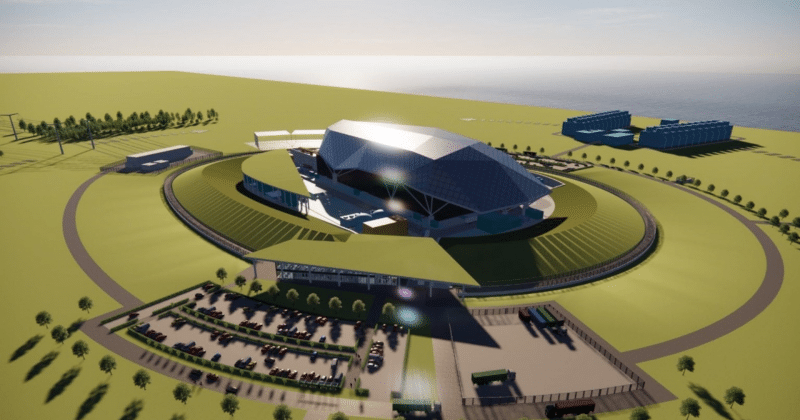
Sweden just made its biggest bet on nuclear power since the late 1970s. State-owned utility Vattenfall has selected Rolls-Royce SMR to deliver three small modular reactors for a new facility on the Värö Peninsula, collectively generating approximately 1,500 MW of capacity.
That’s enough juice to power roughly one million homes.
How Sweden picked its reactor partner
This wasn’t a snap decision. Vattenfall’s search started with a pool of 75 potential suppliers, a number that was gradually whittled down through a formal evaluation process. By August 2025, only two contenders remained: Rolls-Royce SMR and GE Vernova Hitachi.
Large-reactor designs were excluded entirely from consideration. Each Rolls-Royce SMR unit is rated between 470 and 500 MWe. The light-water reactor design offers advantages in standardization and construction efficiency.
Rolls-Royce SMR itself is 76% owned by Rolls-Royce Holdings, with minority stakes held by the Perrodo family and Qatar.
Sweden’s nuclear reversal
Sweden spent decades moving away from nuclear power. After a 1980 referendum, the country adopted policies aimed at phasing out its reactor fleet entirely.
Macro, rates, and crypto—what moved markets and what matters next.
Daily. Free. Join 34,000+ readers across crypto, finance, and policy.
The Vattenfall project is part of a broader national plan to establish up to 5,000 MW of new nuclear capacity eligible for state support.
The scheduled operational timeline for the Värö Peninsula project targets the early 2030s, which would represent Sweden’s first nuclear expansion in roughly 50 years.
In March 2026, Vattenfall signed a Memorandum of Understanding with Studsvik, a Swedish nuclear technology company, to foster supply-chain opportunities within the country.
What this means for investors
For Rolls-Royce Holdings shareholders, the Vattenfall contract is a concrete proof point for the SMR business unit’s commercial viability. The 76% ownership stake means the parent company captures the lion’s share of upside as the SMR subsidiary scales.
Sweden’s plan for 5,000 MW of new nuclear capacity creates a significant supply-chain ecosystem. GE Vernova Hitachi was the other finalist in this process.
Risks remain real. Nuclear projects have a well-documented history of cost escalation and schedule delays. The early 2030s operational target is ambitious for a technology that hasn’t yet been deployed at commercial scale in Europe.