
Trump says DOJ has frozen nearly $1 billion in scam-linked crypto

Trump says DOJ has frozen nearly $1 billion in scam-linked crypto

The Scam Center Strike Force reports $938,460,156.82 in restrained crypto as federal authorities target Southeast Asian pig-butchering networks

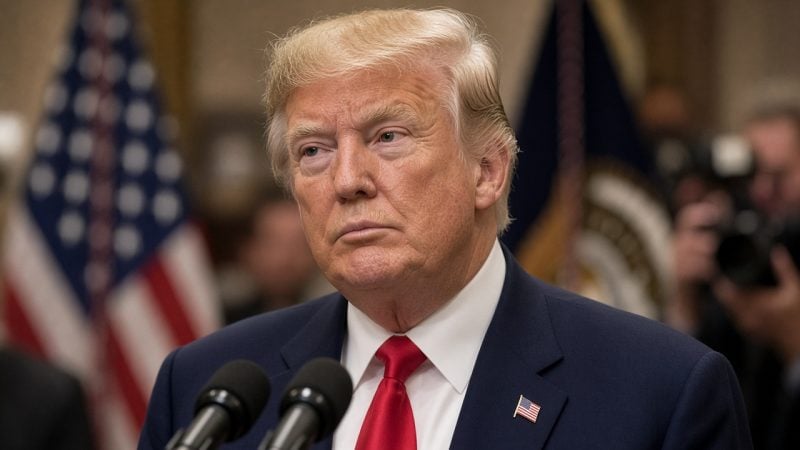
President Donald Trump announced on October 21, 2026, that federal authorities have frozen nearly $1 billion in crypto tied to foreign scam operations.

The precise figure comes from the Department of Justice’s Scam Center Strike Force. As of October 15, 2026, it had restrained $938,460,156.82 in crypto.

Trump made the announcement during a White House roundtable on cybercrime. He framed the freeze as one piece of a wider campaign against online fraud.

What the government says it has done

Beyond the frozen funds, Trump said federal authorities have prevented at least $1.6 billion in losses so far this year. He also said more than 500 fraudulent websites have been taken down.

The Strike Force puts that website count at 503 fraudulent crypto investment sites seized or disrupted since its launch in November 2025.

FBI Director Kash Patel said 20 scam compounds have been dismantled.

Advertisement

The Strike Force has also warned people before the money left their accounts. Warnings have gone out to more than 10,000 Americans judged likely to become victims, while Patel cited an earlier figure of approximately 9,000.

That early-warning approach has measurable results attached. As of March 2026, targeted warnings had prevented nearly $562 million in losses.

A number that keeps climbing

The restrained total has grown steadily over the year. It crossed $700 million by April 2026 and exceeded $800 million by July 2026.

The operation focuses on scam networks based mainly in Southeast Asia, including Myanmar, Cambodia, Laos, and the Philippines. The schemes in its sights are largely investment scams commonly called “pig-butchering.”

Scammers spend weeks or months building trust with a target, often through a fake friendship or romance, before steering them into a bogus crypto investment and draining everything at once.

How the crackdown came together

The Strike Force was established in November 2025. Its mandate was to go after the transnational fraud networks responsible for large losses among US investors.

An executive order in March 2026 gave the effort more muscle. The order directed that online scam prosecutions be prioritized and called for coordination across US Attorneys’ Offices nationwide.

The FBI previously reported $11.366 billion in crypto-related losses for 2025 alone, with investment fraud driving a large share of that total.

Officials have also pointed to growing collaboration with crypto platforms such as Coinbase and Binance. No specific tokens or exchanges were named in connection with the restrained amounts. The government has not broken down which assets make up the frozen pile or where they were held.

What this means for victims and the crypto industry

For victims, the key word is “restrained,” not “returned.” Freezing crypto stops it from moving, but getting money back to the people it was taken from is a separate and slower process.

Officials say the eventual goal is to return funds to victims. Confirming that repayments have actually happened, however, remains a challenge.

Disclosure: This article was edited by John Chen. For more information on how we create and review content, see our Editorial Policy.
Trump says DOJ has frozen nearly $1 billion in scam-linked crypto

The Scam Center Strike Force reports $938,460,156.82 in restrained crypto as federal authorities target Southeast Asian pig-butchering networks

Share

Add us on Google

President Donald Trump announced on October 21, 2026, that federal authorities have frozen nearly $1 billion in crypto tied to foreign scam operations.

The precise figure comes from the Department of Justice’s Scam Center Strike Force. As of October 15, 2026, it had restrained $938,460,156.82 in crypto.

Trump made the announcement during a White House roundtable on cybercrime. He framed the freeze as one piece of a wider campaign against online fraud.

What the government says it has done

Beyond the frozen funds, Trump said federal authorities have prevented at least $1.6 billion in losses so far this year. He also said more than 500 fraudulent websites have been taken down.

The Strike Force puts that website count at 503 fraudulent crypto investment sites seized or disrupted since its launch in November 2025.

FBI Director Kash Patel said 20 scam compounds have been dismantled.

Advertisement

The Strike Force has also warned people before the money left their accounts. Warnings have gone out to more than 10,000 Americans judged likely to become victims, while Patel cited an earlier figure of approximately 9,000.

That early-warning approach has measurable results attached. As of March 2026, targeted warnings had prevented nearly $562 million in losses.

A number that keeps climbing

The restrained total has grown steadily over the year. It crossed $700 million by April 2026 and exceeded $800 million by July 2026.

The operation focuses on scam networks based mainly in Southeast Asia, including Myanmar, Cambodia, Laos, and the Philippines. The schemes in its sights are largely investment scams commonly called “pig-butchering.”

Scammers spend weeks or months building trust with a target, often through a fake friendship or romance, before steering them into a bogus crypto investment and draining everything at once.

How the crackdown came together

The Strike Force was established in November 2025. Its mandate was to go after the transnational fraud networks responsible for large losses among US investors.

An executive order in March 2026 gave the effort more muscle. The order directed that online scam prosecutions be prioritized and called for coordination across US Attorneys’ Offices nationwide.

The FBI previously reported $11.366 billion in crypto-related losses for 2025 alone, with investment fraud driving a large share of that total.

Officials have also pointed to growing collaboration with crypto platforms such as Coinbase and Binance. No specific tokens or exchanges were named in connection with the restrained amounts. The government has not broken down which assets make up the frozen pile or where they were held.

What this means for victims and the crypto industry

For victims, the key word is “restrained,” not “returned.” Freezing crypto stops it from moving, but getting money back to the people it was taken from is a separate and slower process.

Officials say the eventual goal is to return funds to victims. Confirming that repayments have actually happened, however, remains a challenge.

Disclosure: This article was edited by John Chen. For more information on how we create and review content, see our Editorial Policy.