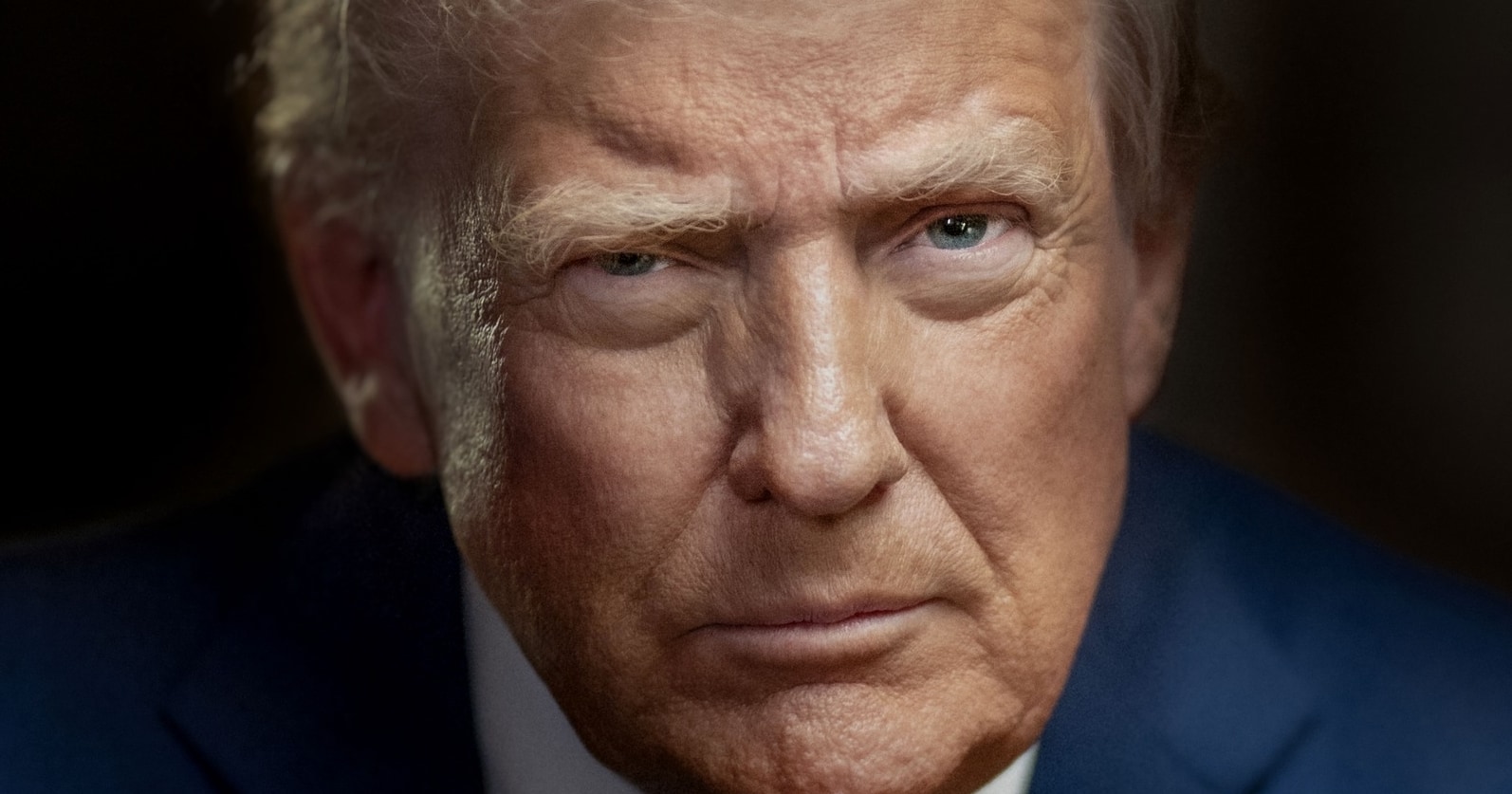
Trump says Iran deal could be signed this weekend in Europe, Bitcoin rallies on geopolitical optimism
Vice President JD Vance expected to attend the signing as markets react to reduced geopolitical risk premiums
President Donald Trump announced that a deal with Iran could be finalized as soon as this weekend at a signing ceremony in Europe. Vice President JD Vance would attend on behalf of the US, according to Trump’s statement.
Bitcoin responded to the positive signals with a roughly 5% surge, climbing to approximately $64K.
What’s actually in the deal
The negotiations have centered on three core issues: extending a ceasefire between the US and Iran, reopening the Strait of Hormuz for oil trading, and placing limits on Iran’s nuclear program.
Among the specifics under discussion is a potential 60-day ceasefire that would allow Iran to sell oil freely.
Trump has emphasized that any final agreement must permanently deny Iran the ability to develop nuclear weapons. Iran’s stockpile of highly enriched uranium has been a central point of contention throughout the talks.
Vice President Vance acknowledged in late May 2026 that there was still “back and forth” on the nuclear component of the negotiations.
The news moving money, markets, and the world—before your day starts.
Daily. Free. Join 34,000+ readers across crypto, finance, and policy.
The talks have unfolded through a mix of indirect and direct communication channels, including intermediaries in Oman and diplomatic venues across Europe.
How the conflict got here
The current round of diplomacy traces back to a significant escalation in early 2026, when US and Israeli military strikes targeted Iran in February.
Zoom out further and the timeline stretches back to May 2018, when the US withdrew from the original Iran nuclear deal.
What this means for crypto investors
Bitcoin has increasingly behaved like a macro asset that traders use to express views on geopolitical stability. When tensions rise, Bitcoin sometimes acts as a hedge. When tensions fall, it rallies on the theory that reduced global risk encourages capital to flow into higher-volatility assets.
Traders should also watch for second-order effects. A successful deal that reopens the Strait of Hormuz would likely push oil prices lower, reducing inflationary pressure globally.
Disclosure: This article was edited by Editorial Team. For more information on how we create and review content, see our Editorial Policy.

