
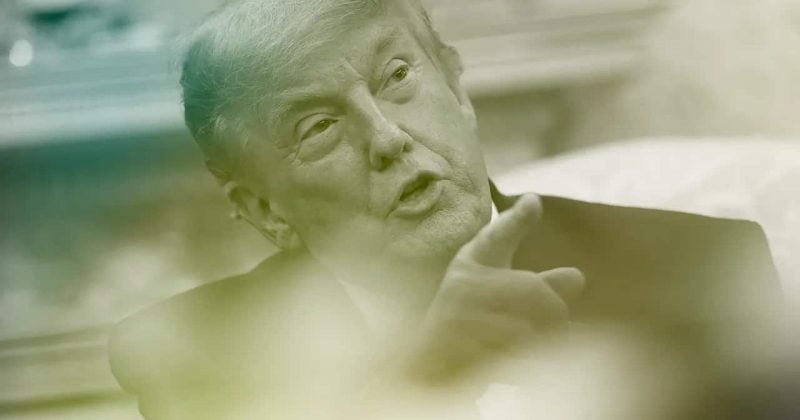
Trump questions NATO defense commitment at 2026 Ankara Summit

https://www.newyorker.com/tag/donald-trump

Trump questions NATO defense commitment at 2026 Ankara Summit

US x Russia military clash

President Trump has expressed doubts about NATO’s commitment to defending its members, raising questions about the alliance’s future reliability. During the 2026 Ankara Summit, Trump pushed for increased defense spending among NATO allies and questioned the collective defense obligations under Article 5. This development comes as tensions persist due to Russia’s ongoing military actions in Ukraine, which have heightened concerns about potential threats to NATO’s eastern members.

Advertisement

Market participants appear to interpret Trump’s comments as potentially diminishing the likelihood of a direct military clash between U.S. and Russian forces. The current pricing on the possibility of such a conflict by the end of 2026 shows a 5.7% chance of a YES outcome, suggesting that Trump’s stance could be viewed as a deterrent to escalating military engagements.

Key Takeaways

  • Trump’s questioning of NATO’s collective defense could indicate a reduction in U.S. military support for European allies, consistent with a decreased likelihood of U.S.–Russia military conflict.
  • The current market pricing reflects a 5.7% probability of a U.S.–Russia military clash by December 31, 2026, suggesting participants are factoring in Trump’s stance.
  • The emphasis on NATO defense spending and U.S. military deployment reviews may further impact perceptions of U.S. commitment to European security.

What to Watch

Observers should monitor any official statements from NATO or the U.S. government about changes to defense commitments or military deployments in Europe. Developments regarding Russia’s military actions in Ukraine and any shifts in NATO’s strategic posture could influence market pricing on the likelihood of a military clash. Further remarks by President Trump or NATO leaders could provide additional context on the alliance’s future direction and its implications for U.S.–Russia relations.

Get prediction market intelligence as a structured API feed. Early access waitlist.

Disclosure: This article was edited by Estefano Gomez. For more information on how we create and review content, see our Editorial Policy.

Trump questions NATO defense commitment at 2026 Ankara Summit

Trump questions NATO defense commitment at 2026 Ankara Summit

US x Russia military clash

https://www.newyorker.com/tag/donald-trump

President Trump has expressed doubts about NATO’s commitment to defending its members, raising questions about the alliance’s future reliability. During the 2026 Ankara Summit, Trump pushed for increased defense spending among NATO allies and questioned the collective defense obligations under Article 5. This development comes as tensions persist due to Russia’s ongoing military actions in Ukraine, which have heightened concerns about potential threats to NATO’s eastern members.

Advertisement

Market participants appear to interpret Trump’s comments as potentially diminishing the likelihood of a direct military clash between U.S. and Russian forces. The current pricing on the possibility of such a conflict by the end of 2026 shows a 5.7% chance of a YES outcome, suggesting that Trump’s stance could be viewed as a deterrent to escalating military engagements.

Key Takeaways

  • Trump’s questioning of NATO’s collective defense could indicate a reduction in U.S. military support for European allies, consistent with a decreased likelihood of U.S.–Russia military conflict.
  • The current market pricing reflects a 5.7% probability of a U.S.–Russia military clash by December 31, 2026, suggesting participants are factoring in Trump’s stance.
  • The emphasis on NATO defense spending and U.S. military deployment reviews may further impact perceptions of U.S. commitment to European security.

What to Watch

Observers should monitor any official statements from NATO or the U.S. government about changes to defense commitments or military deployments in Europe. Developments regarding Russia’s military actions in Ukraine and any shifts in NATO’s strategic posture could influence market pricing on the likelihood of a military clash. Further remarks by President Trump or NATO leaders could provide additional context on the alliance’s future direction and its implications for U.S.–Russia relations.

Get prediction market intelligence as a structured API feed. Early access waitlist.

Disclosure: This article was edited by Estefano Gomez. For more information on how we create and review content, see our Editorial Policy.