The chipmaking giant's Japanese joint venture weathered a significant seismic event with minimal disruption, underscoring supply chain resilience that matters for crypto mining hardware and AI chip production
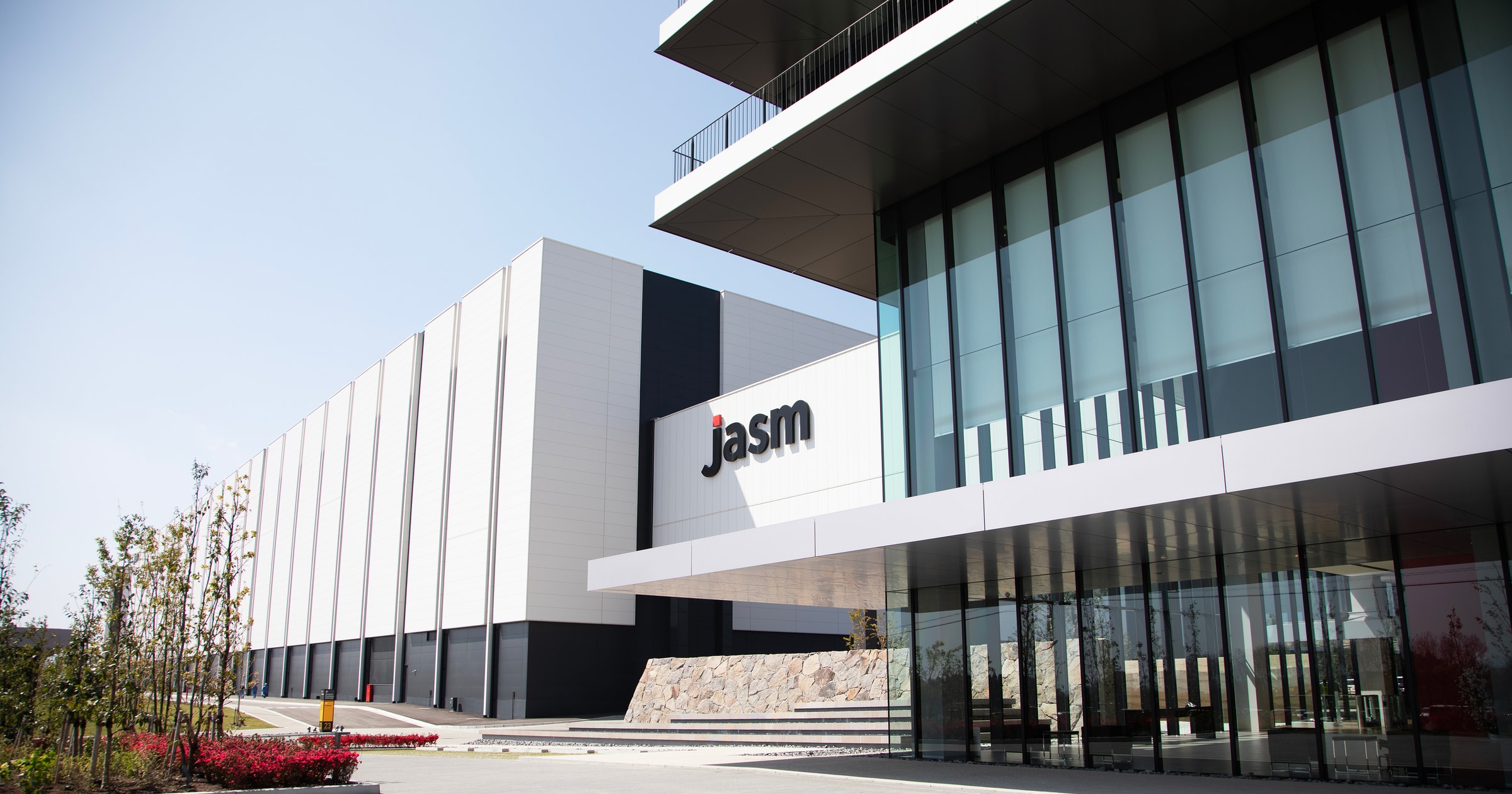
TSMC’s Kumamoto-based JASM fab is back online and running at full capacity after a magnitude 7.1 earthquake rattled Japan’s Kumamoto Prefecture on July 28. The chipmaker confirmed that structural inspections came back clean, employees were safe, and equipment calibration has been completed.
What happened and why it matters
The earthquake struck around 4:00 PM local time, registering upper-5 seismic intensity at the fab site. TSMC moved quickly. Inspections confirmed no major structural damage, and operations gradually returned to normal. The company noted that JASM accounts for less than 3% of its total production capacity.
JASM began commercial production at the end of 2024, currently churning out roughly 55,000 12-inch wafers per month. Total investment in the joint venture exceeds $20 billion, with partial backing from the Japanese government. TSMC’s partners in the venture include Sony, DENSO, and Toyota.
A second JASM fab is under construction nearby, with operational capacity expected by late 2027. Some construction work was temporarily halted as a precautionary measure following the quake.
The semiconductor supply chain held up
The broader semiconductor supply chain did not report any major disruptions from this earthquake. TSMC’s geographic diversification strategy, spreading capacity across Taiwan, Japan, Arizona, and eventually Germany, is specifically designed to prevent single points of failure from becoming systemic crises.
Why crypto investors should care about fabs in Japan
JASM specializes in automotive and high-performance computing applications, focusing on mature process nodes critical for power management systems, sensor arrays, and embedded controllers that keep data centers running.
The $20 billion-plus investment reflects a larger trend: governments worldwide are subsidizing domestic chip production at unprecedented levels. Japan, the US, and the EU are all pouring billions into semiconductor self-sufficiency, creating a more distributed supply chain that reduces tail risk of chip shortages affecting hardware-dependent sectors.
TSMC’s stock barely moved on the news. The company’s less-than-3% exposure at the Kumamoto site means even a worst-case scenario, a prolonged shutdown, would have been manageable.