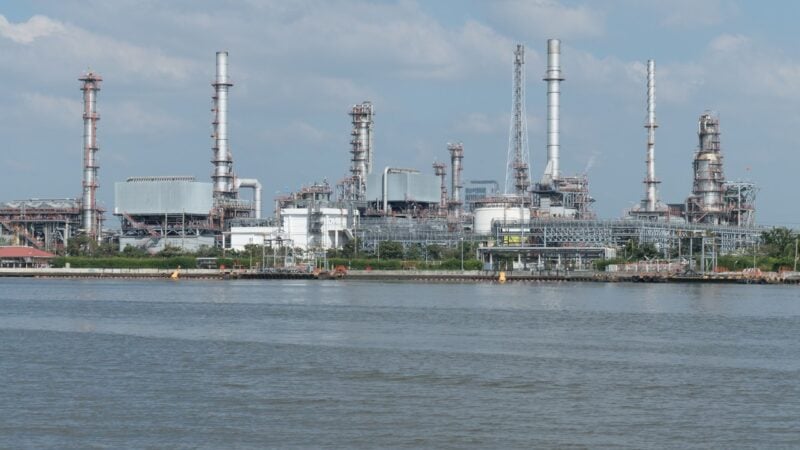
The UAE’s energy ministry has announced the sale of 1.7 million barrels of Arab light oil from a salvaged tanker, scheduled for loading between November 10 and 20. This sale is a significant event given the market’s current volatility, as it introduces a notable volume of Arab Light crude, a medium-sour grade, into regional spot markets. Although this sale does not represent a shift in the UAE’s national output, it does affect local supply dynamics. Arab Light crude was recently priced between $85.13 and $92.82 per barrel, aligning with broader trends in crude pricing.
The sale is expected to influence WTI Crude Oil market predictions for November 2026, where trends have suggested potential downward pressure on prices. Current market pricing indicates a low probability of WTI hitting higher price thresholds such as $160 within November, with odds at around 1% for such scenarios. The increased supply from the UAE could reinforce this outlook, as it may alleviate some regional supply constraints, affecting overall pricing dynamics in the global oil market.
Key Takeaways
- The sale of 1.7 million barrels of Arab Light by the UAE appears to suggest an increase in local supply, impacting regional spot prices.
- Market pricing implies a low probability of WTI Crude Oil reaching higher price thresholds in November, consistent with increased supply scenarios.
- The introduction of this crude into the market may indicate potential downward pressure on WTI prices, aligning with current market trends.
What to Watch
Observers should monitor any subsequent announcements from OPEC or major oil-producing nations that could influence crude supply and pricing. Developments such as changes in production targets by OPEC or geopolitical tensions in oil-producing regions could shift current market dynamics. Additionally, any significant changes in U.S. crude inventory reports or shifts in global demand forecasts could further impact WTI pricing scenarios for November.

