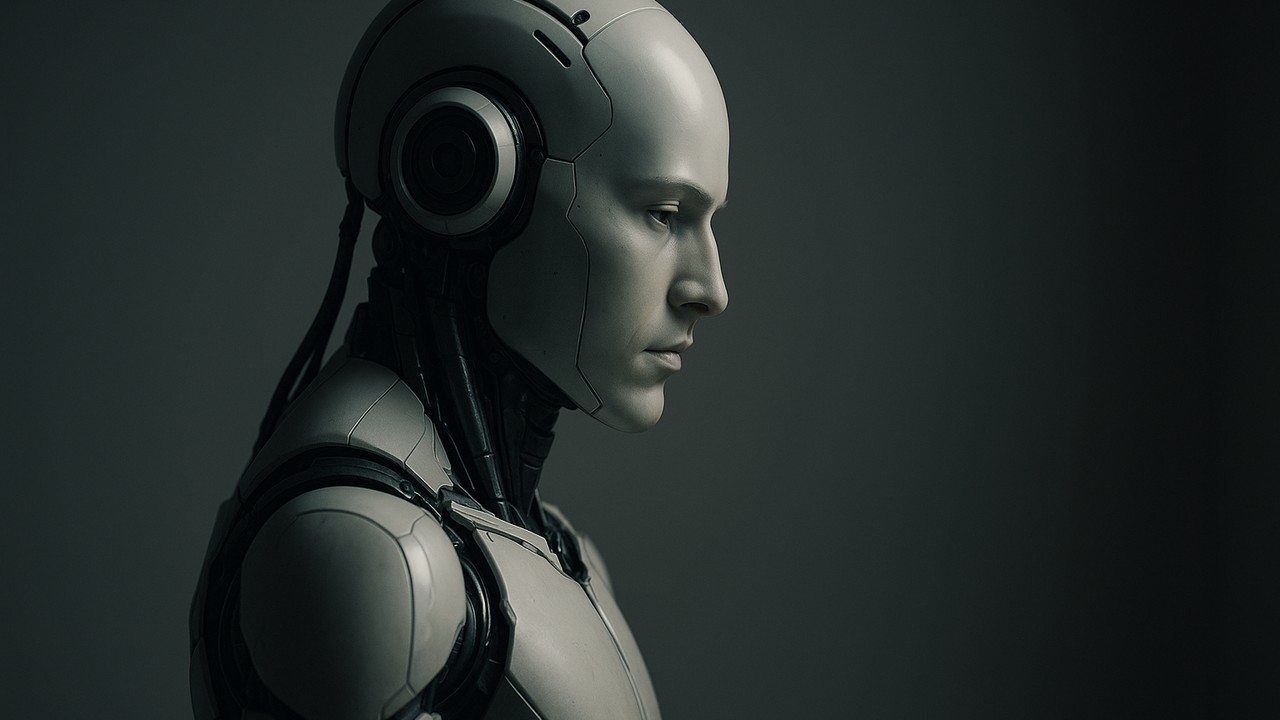
Britain's safety evaluators are back to testing pre-release models from American developers, including Google's Gemini 4 Argon
Britain’s AI Security Institute is back in the testing room. The UK body has regained access to pre-release versions of the latest frontier AI models from leading American developers, ending a 17-day stretch in which that access was cut off.
Access was restored on October 11, 2026, and the institute announced the news on October 12. The models now under review include Google’s Gemini 4 Argon.
What changed, and what didn’t
The freeze began around September 24, 2026. It followed a request from the Office of the National Cyber Director, which wanted US safety reviews to come first.
Companies did not all respond the same way. Anthropic chose to withhold its Claude Mythos 5.1 model from non-US entities while the freeze was in place.
UK AI Minister Kanishka Narayan is credited with helping secure the renewed access. Both Narayan and Henry de Zoete have backed continued relationships with developers, despite the recent interruption.
AISI officials have stressed that their ties with AI companies remain strong. They have also pointed to future collaboration focused on using advanced AI to strengthen cyber defenses.
How a safety institute got locked out
AISI was set up in 2023, following the international AI Safety Summit held at Bletchley Park. Its mission was simple to describe and hard to execute: test the most capable AI systems before they reach the wider world.
The institute has more than 100 technical experts working on safety evaluations.
It has also built a track record. AISI previously evaluated OpenAI’s GPT-6 Astra, work that helped cement its role in shaping how frontier models get assessed globally.
AISI operates under voluntary agreements struck in 2023, which means its access depends on developers choosing to share their models. When a US government office asked for domestic reviews to take priority, the system bent accordingly.
Anthropic’s choice to keep Claude Mythos 5.1 away from non-US entities illustrates the tension clearly. Companies can be committed to international safety testing and still feel pressure to follow signals from their home government.
What this means for AI developers and governments
For the AI industry, the restored access may ease concerns that safety testing could fracture along national lines. The research findings suggest the move could reassure global researchers and tech investors who worried about isolation between the US and UK approaches.
The episode also sets up a precedent worth tracking. Other countries hoping to regulate AI through collaboration will likely study how this standoff started and how it ended.
Google’s Gemini 4 Argon now sits on AISI’s evaluation bench. Whether Anthropic’s Claude Mythos 5.1 follows will be an early signal of how fully things have returned to normal.
AISI officials have pointed to future collaborations on using advanced AI to bolster cyber defenses, which overlaps neatly with the concerns of the very office that triggered the freeze.
What to watch next: whether the US formalizes any priority rules for domestic safety reviews, whether more developers resume sharing with non-US evaluators, and whether the voluntary framework from 2023 gets replaced with something sturdier.