
Ukraine strike on Iranian ship signals Tehran’s trade route vulnerability

https://en.wikipedia.org/wiki/List_of_current_ships_of_the_Islamic_Republic_of_Iran_Navy

Ukraine strike on Iranian ship signals Tehran’s trade route vulnerability

Iran targeting Ukraine

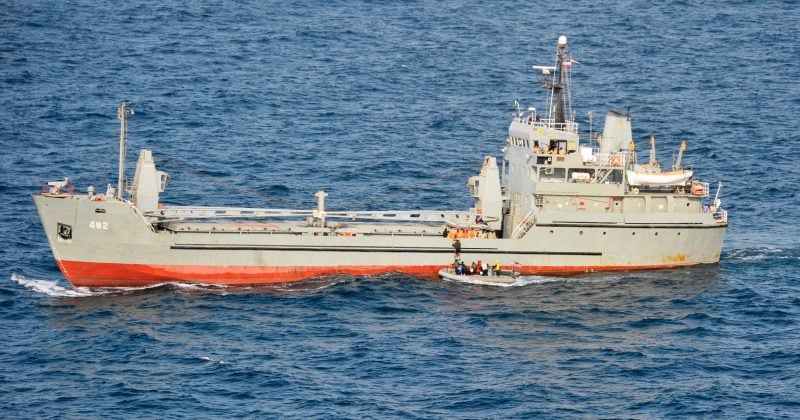
Ukraine’s recent strike on an Iranian cargo ship may have carried a broader strategic message beyond disrupting military supplies, according to analysts. Alex Vatanka from the Middle East Institute suggested the attack was intended to demonstrate the vulnerability of Tehran’s northern trade routes. Nicole Grajewski from Sciences Po highlighted the growing military partnership between Russia and Iran, underscoring the strike’s geopolitical implications. This development adds complexity to the ongoing Ukraine-Iran tensions, with Tehran condemning the attack as aggression and reporting the death of a sailor. The incident suggests Ukraine’s capability to target not only Russian territory but also assets linked to Iran.

Advertisement

Key Takeaways

  • The strike appears consistent with a strategy to indicate vulnerabilities in Iran’s northern logistics routes.
  • Analysts suggest the action highlights the increasing military collaboration between Iran and Russia.
  • The event contributes to heightened Ukraine-Iran diplomatic tensions, with potential implications for Iranian responses.

What to Watch

Market participants are closely monitoring for any indications of Iranian retaliation, which could include military action against Ukraine by August 31, 2026. Statements from Iranian or Ukrainian officials regarding the strike could impact market perceptions. Additionally, any credible reporting of Iranian military movements or diplomatic efforts to de-escalate tensions will be key indicators moving forward. Markets are watching for developments that could support a YES outcome in the related prediction market.

Get live prediction-market analysis, powered by Vera. Sign up for Vera.

Disclosure: This article was edited by Estefano Gomez. For more information on how we create and review content, see our Editorial Policy.

Ukraine strike on Iranian ship signals Tehran’s trade route vulnerability

Ukraine strike on Iranian ship signals Tehran’s trade route vulnerability

Iran targeting Ukraine

https://en.wikipedia.org/wiki/List_of_current_ships_of_the_Islamic_Republic_of_Iran_Navy

Ukraine’s recent strike on an Iranian cargo ship may have carried a broader strategic message beyond disrupting military supplies, according to analysts. Alex Vatanka from the Middle East Institute suggested the attack was intended to demonstrate the vulnerability of Tehran’s northern trade routes. Nicole Grajewski from Sciences Po highlighted the growing military partnership between Russia and Iran, underscoring the strike’s geopolitical implications. This development adds complexity to the ongoing Ukraine-Iran tensions, with Tehran condemning the attack as aggression and reporting the death of a sailor. The incident suggests Ukraine’s capability to target not only Russian territory but also assets linked to Iran.

Advertisement

Key Takeaways

  • The strike appears consistent with a strategy to indicate vulnerabilities in Iran’s northern logistics routes.
  • Analysts suggest the action highlights the increasing military collaboration between Iran and Russia.
  • The event contributes to heightened Ukraine-Iran diplomatic tensions, with potential implications for Iranian responses.

What to Watch

Market participants are closely monitoring for any indications of Iranian retaliation, which could include military action against Ukraine by August 31, 2026. Statements from Iranian or Ukrainian officials regarding the strike could impact market perceptions. Additionally, any credible reporting of Iranian military movements or diplomatic efforts to de-escalate tensions will be key indicators moving forward. Markets are watching for developments that could support a YES outcome in the related prediction market.

Get live prediction-market analysis, powered by Vera. Sign up for Vera.

Disclosure: This article was edited by Estefano Gomez. For more information on how we create and review content, see our Editorial Policy.