
https://en.wikipedia.org/wiki/Strait_of_Hormuz
Iran refuses to open Strait of Hormuz amid US conflict
Strait of Hormuz traffic normalization
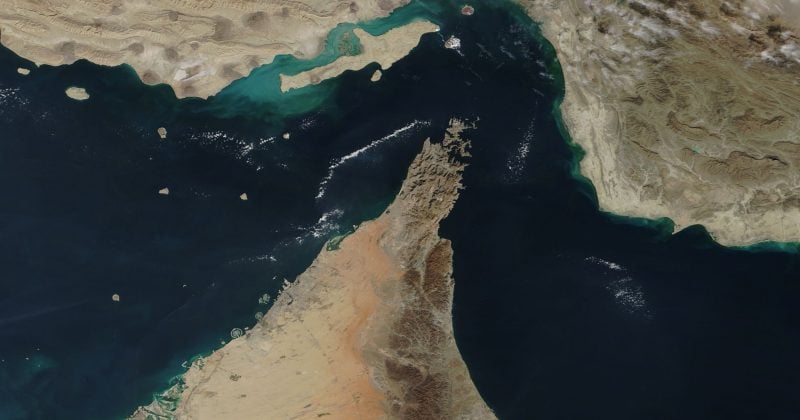
Iran has reportedly refused to open the Strait of Hormuz to normal maritime traffic until the ongoing conflict with the United States is resolved. This development, reported by @FirstSquawk, suggests a continuation of the strategic leverage Iran holds over this crucial maritime chokepoint. The United States, in turn, has offered concessions involving a southern route, though Iran maintains its stance of controlling transit. This standoff occurs amidst ceasefire negotiations that have been unstable, with both sides accusing each other of not adhering to agreements.
Key Takeaways
- Iran’s refusal to open the Strait of Hormuz is consistent with a decreased likelihood of traffic normalization by the end of August.
- Market pricing suggests participants view a scenario where the strait remains closed due to ongoing tensions as likely.
- The U.S. offering a southern route concession may not significantly impact current market views unless accompanied by a reduction in hostilities.
What to Watch
Observers should monitor any official announcements from Iran or the United States regarding the status of the Strait of Hormuz. Developments such as a confirmed peace deal or significant military escalation could influence market expectations. Additionally, updates from live vessel trackers and oil price movements may provide further indications of the strait’s status and the broader geopolitical climate. Continued negotiations and potential shifts in diplomatic strategies will be key indicators of whether the strait might reopen sooner than expected.