
US launches diplomatic campaign prioritizing sovereignty over globalism

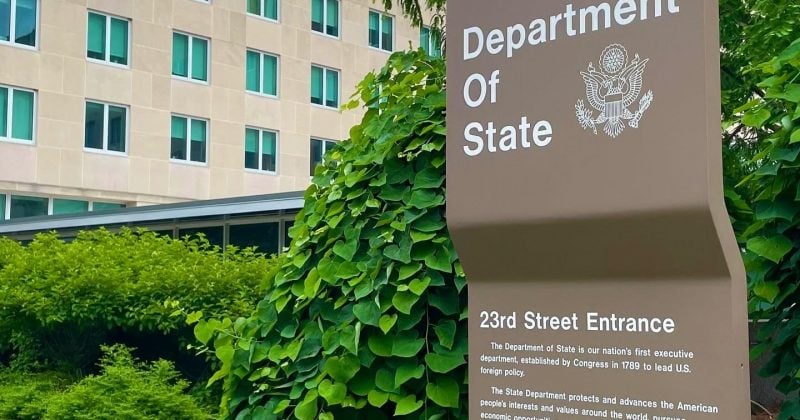
https://en.wikipedia.org/wiki/United_States_Department_of_State

US launches diplomatic campaign prioritizing sovereignty over globalism

Strait of Hormuz traffic normalization

The United States has initiated a diplomatic campaign emphasizing national sovereignty over globalist institutions, according to a Wall Street Journal opinion piece by Secretary of State Marco Rubio. This move is a central element of President Donald Trump’s second-term “America First” foreign policy, which focuses on bilateral partnerships and conditional security relationships. The campaign’s message underscores the expectation that nations benefiting from American security should not remain passive when those providing the security are targeted. This approach aligns with recent U.S. foreign policy shifts, including withdrawal from numerous international organizations and a pivot towards strategic autonomy and economic statecraft to counterbalance China and Russia.

Advertisement

Key Takeaways

  • The diplomatic campaign appears to support a shift towards bilateral partnerships, consistent with the U.S.’s “America First” policy.
  • Market pricing suggests the campaign could increase geopolitical tensions, affecting traffic in strategic regions like the Strait of Hormuz.
  • The odds for Strait of Hormuz traffic normalizing by August 31 have decreased, indicated by a drop in YES pricing from 18% to 15.5% over the past 24 hours.

What to Watch

Observers should monitor responses from U.S. allies and potential shifts in military posturing in key regions like the Strait of Hormuz. Any moves by Iran or the U.S. that suggest increased military activity could further impact market expectations for traffic normalization. Additionally, official announcements or diplomatic engagements between the U.S. and Iran may provide indicators of potential resolution scenarios.

Get live prediction-market analysis, powered by Vera. Sign up for Vera.

Disclosure: This article was edited by Estefano Gomez. For more information on how we create and review content, see our Editorial Policy.

US launches diplomatic campaign prioritizing sovereignty over globalism

US launches diplomatic campaign prioritizing sovereignty over globalism

Strait of Hormuz traffic normalization

https://en.wikipedia.org/wiki/United_States_Department_of_State

The United States has initiated a diplomatic campaign emphasizing national sovereignty over globalist institutions, according to a Wall Street Journal opinion piece by Secretary of State Marco Rubio. This move is a central element of President Donald Trump’s second-term “America First” foreign policy, which focuses on bilateral partnerships and conditional security relationships. The campaign’s message underscores the expectation that nations benefiting from American security should not remain passive when those providing the security are targeted. This approach aligns with recent U.S. foreign policy shifts, including withdrawal from numerous international organizations and a pivot towards strategic autonomy and economic statecraft to counterbalance China and Russia.

Advertisement

Key Takeaways

  • The diplomatic campaign appears to support a shift towards bilateral partnerships, consistent with the U.S.’s “America First” policy.
  • Market pricing suggests the campaign could increase geopolitical tensions, affecting traffic in strategic regions like the Strait of Hormuz.
  • The odds for Strait of Hormuz traffic normalizing by August 31 have decreased, indicated by a drop in YES pricing from 18% to 15.5% over the past 24 hours.

What to Watch

Observers should monitor responses from U.S. allies and potential shifts in military posturing in key regions like the Strait of Hormuz. Any moves by Iran or the U.S. that suggest increased military activity could further impact market expectations for traffic normalization. Additionally, official announcements or diplomatic engagements between the U.S. and Iran may provide indicators of potential resolution scenarios.

Get live prediction-market analysis, powered by Vera. Sign up for Vera.

Disclosure: This article was edited by Estefano Gomez. For more information on how we create and review content, see our Editorial Policy.