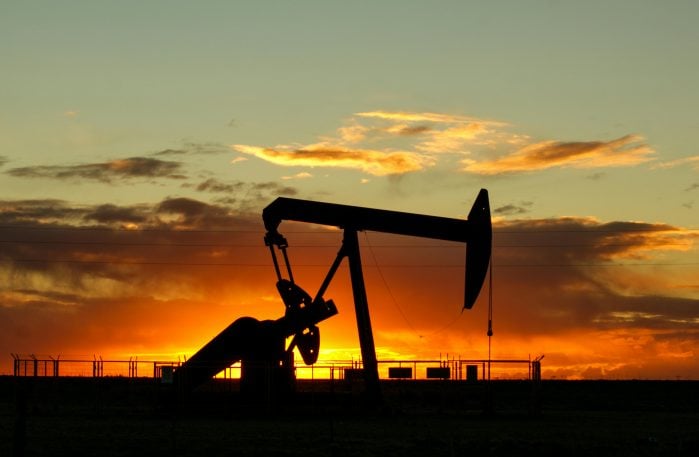
US oil producers are reducing their hedging activities due to improved financial stability, according to a Bloomberg Markets report. Data from Wood Mackenzie indicates that producers have hedged about 36% of their oil output, a decrease from 44% the previous year, marking the lowest level in five years. This shift reflects stronger balance sheets and reduced debt, allowing producers to weather potential price collapses without the need for extensive hedging. The current market environment, with WTI crude around $88-$89 per barrel, suggests a growing confidence among producers in their ability to manage risks internally.
Key Takeaways
- US oil producers appear to be reducing hedged positions, suggesting confidence in navigating future price changes.
- Market pricing suggests that this reduction in hedging could indicate lowered expectations for a new all-time high in crude oil prices.
- Observations indicate that the likelihood of WTI hitting $160 this month is low, consistent with decreased hedging activity.
What to Watch
Markets will closely monitor upcoming reports from major energy organizations such as OPEC and the IEA, as any changes in production targets or demand forecasts could impact oil price expectations. Additionally, geopolitical developments in the Middle East, including any potential production cuts or supply disruptions, may affect hedging strategies and pricing. Markets will also keep an eye on US economic indicators that could influence oil demand and price dynamics.

