
US redeploys E-3G AWACS to Saudi base amid Iran tensions

https://www.turkiyetoday.com/region/images-show-destroyed-us-e-3-sentry-awacs-at-prince-sultan-air-base-3217097

US redeploys E-3G AWACS to Saudi base amid Iran tensions

Iran military action against a gulf state

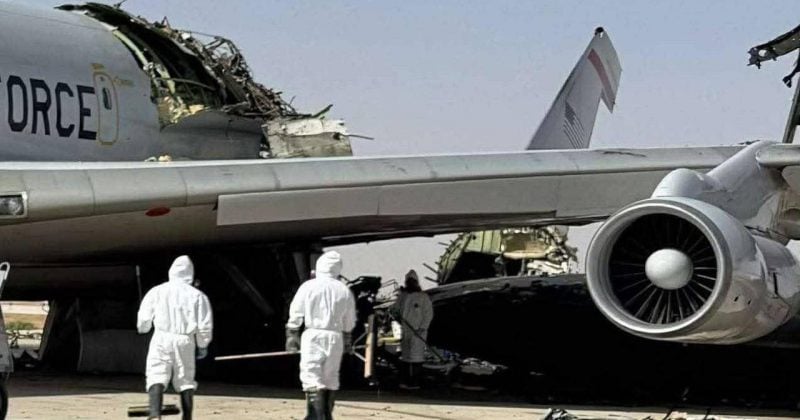
The United States has redeployed an E-3G AWACS radar plane to Prince Sultan Air Base south of Riyadh, indicating a potential escalation in military operations in the region. The return of this airborne command-and-control asset follows recent tensions between the United States and Iran, particularly after an Iranian missile strike destroyed a similar aircraft in March 2026. This move suggests that the U.S. is reinforcing its capabilities to manage air operations over the Strait of Hormuz, a strategic waterway that has been targeted by Iran during the ongoing conflict. The deployment comes amid a backdrop of strained diplomatic relations between the U.S. and Saudi Arabia, which had previously restricted U.S. access to its airspace and military bases.

Advertisement

Key Takeaways

  • The redeployment of a U.S. radar plane suggests heightened military readiness amid ongoing tensions with Iran.
  • Market pricing appears consistent with increased likelihood of Iranian military action against Gulf states.
  • The movement of such assets indicates Washington’s focus on restoring command-and-control in the volatile region.

What to Watch

Observers should monitor any further military deployments or actions by the United States in the Middle East, as these could impact regional stability. Attention will also be on Iran’s response, particularly any military actions targeting Gulf states or U.S. interests. The situation remains fluid, and developments in diplomatic relations between the U.S., Saudi Arabia, and Iran could influence future market pricing and regional dynamics.

Get live prediction-market analysis, powered by Vera. Sign up for Vera.

Disclosure: This article was edited by Estefano Gomez. For more information on how we create and review content, see our Editorial Policy.

US redeploys E-3G AWACS to Saudi base amid Iran tensions

US redeploys E-3G AWACS to Saudi base amid Iran tensions

Iran military action against a gulf state

https://www.turkiyetoday.com/region/images-show-destroyed-us-e-3-sentry-awacs-at-prince-sultan-air-base-3217097

The United States has redeployed an E-3G AWACS radar plane to Prince Sultan Air Base south of Riyadh, indicating a potential escalation in military operations in the region. The return of this airborne command-and-control asset follows recent tensions between the United States and Iran, particularly after an Iranian missile strike destroyed a similar aircraft in March 2026. This move suggests that the U.S. is reinforcing its capabilities to manage air operations over the Strait of Hormuz, a strategic waterway that has been targeted by Iran during the ongoing conflict. The deployment comes amid a backdrop of strained diplomatic relations between the U.S. and Saudi Arabia, which had previously restricted U.S. access to its airspace and military bases.

Advertisement

Key Takeaways

  • The redeployment of a U.S. radar plane suggests heightened military readiness amid ongoing tensions with Iran.
  • Market pricing appears consistent with increased likelihood of Iranian military action against Gulf states.
  • The movement of such assets indicates Washington’s focus on restoring command-and-control in the volatile region.

What to Watch

Observers should monitor any further military deployments or actions by the United States in the Middle East, as these could impact regional stability. Attention will also be on Iran’s response, particularly any military actions targeting Gulf states or U.S. interests. The situation remains fluid, and developments in diplomatic relations between the U.S., Saudi Arabia, and Iran could influence future market pricing and regional dynamics.

Get live prediction-market analysis, powered by Vera. Sign up for Vera.

Disclosure: This article was edited by Estefano Gomez. For more information on how we create and review content, see our Editorial Policy.