US intel says evidence doesn’t prove Alice Huang spied for China, CNN reports
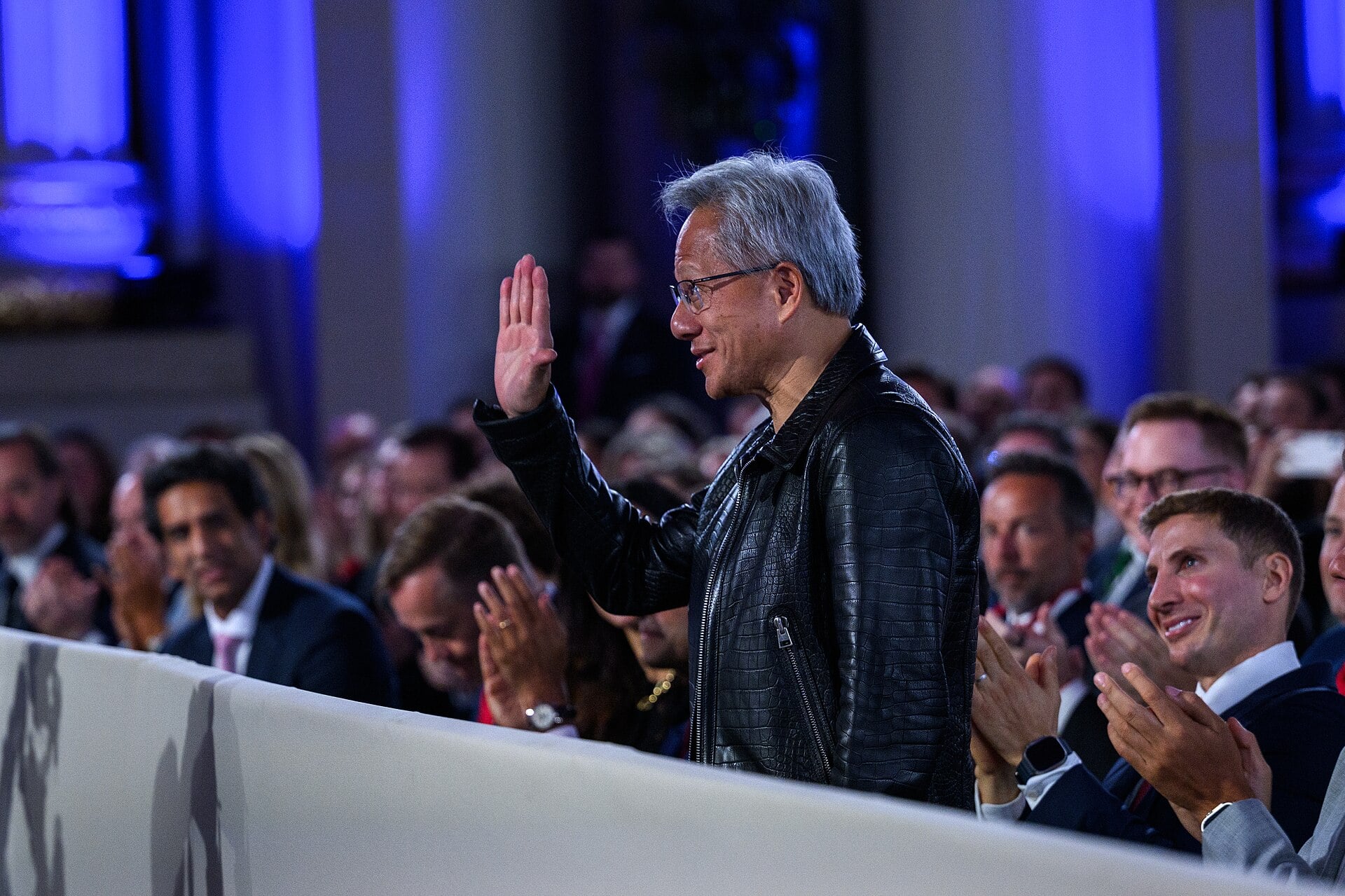
Nvidia CEO Jensen Huang at the White House AI Summit, July 2025. Official White House Photo by Joyce N. Boghosian (public domain), via Wikimedia Commons
US officials are split on whether Alice Huang spied for Beijing, and no agency has reached a conclusion.
US intelligence divided over whether Alice Huang acted as spy for Beijing, sources say
Multiple sources in the US intelligence community told CNN on Thursday that the evidence collected so far on Alice Huang does not establish she was operating as a spy for Beijing, though officials remain divided over the counterintelligence risk she poses.
Some officials at the Office of the Director of National Intelligence, including individuals close to Director Jay Clayton, view the characterization of Alice Huang as a Chinese intelligence operative as overstated, according to CNN. CIA officials have likewise not concluded that intercepted communications and other gathered intelligence prove she was knowingly transmitting information to Beijing.
The intelligence community is split on a central question: whether China’s Ministry of State Security recruited Alice Huang to collect information on Jensen Huang and US policymakers. Some officials still consider her a meaningful counterintelligence concern because of her proximity to Jensen Huang and, through him, potentially to President Donald Trump.
Attorney General Todd Blanche addressed the matter at a press conference on Thursday, pushing back against a reporter’s question that assumed the Justice Department had confirmed Alice Huang’s status as an intelligence asset. “Well, your first question assumes something that I have never said and that I don’t know to be true,” Blanche said. He added that the Justice Department had reached no conclusions about her role. Blanche separately acknowledged that an investigation into potential export-control violations involving chip sales is ongoing and that it could implicate US export laws.
President Trump, speaking on the Straight Shooter podcast, said: “The big thing is, was the woman a spy? And I don’t know if that’s been determined yet,” Reuters reported.
AI, tech, and the markets they move—in one daily briefing.
Daily. Free. Join 34,000+ readers across crypto, finance, and policy.
Competing claims and business ties
The New York Times had reported that the MSS recruited Alice Huang to gather intelligence on Jensen Huang, and Taiwan’s Liberty Times alleged she belonged to an MSS “Chip Team.” Beijing has denied these allegations and called them groundless.
Alice Huang’s Singapore-based company, Megaspeed, is a significant purchaser of Nvidia chips. The Justice and Commerce Departments opened an investigation into Megaspeed in 2024 as part of a broader probe into shell companies suspected of diverting restricted Nvidia semiconductors to China. Companies in which she has held ownership stakes have benefited Huawei, the Chinese telecom giant subject to sweeping US export restrictions, according to the private research firm Tesari, CNBC reported. Singapore has stated that its own investigation of Alice Huang does not involve espionage concerns.
Nvidia leadership in transition
Jensen Huang stepped down as Nvidia’s chief executive this week after acknowledging in a message to employees that he had been unfaithful to his wife. Chief Financial Officer Colette Kress has assumed the role of interim CEO. Nvidia board chair Harvey Jones said: “The board has full confidence in Colette and the leadership team.” Alice Huang is not related to Jensen Huang.
Several questions remain unanswered. The specific content of the intercepted communications has not been publicly disclosed. The FBI’s counterintelligence inquiry has not produced a formal finding, and no timeline for one has been indicated. The export-control investigation into Megaspeed likewise remains open. No US agency has publicly concluded whether she was a spy.
Disclosure: This article was edited by John Chen. For more information on how we create and review content, see our Editorial Policy.

