AMD passes JPMorgan in market cap again as AI chip rally rolls on
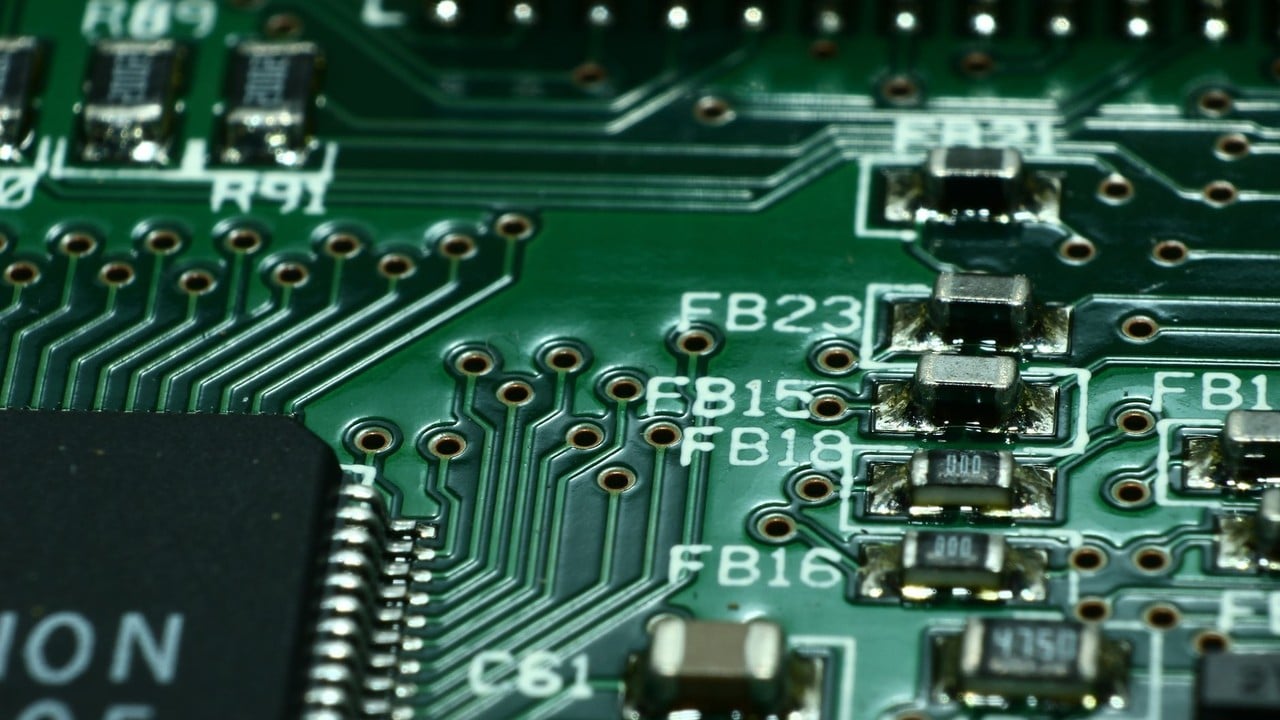
Photo: Pixabay / Pexels
The chipmaker's valuation has edged past America's biggest bank by market value once more, a sign of where investors think growth lives
Advanced Micro Devices is once again worth more than JPMorgan Chase. As of November 11, 2026, AMD carried a market capitalization of between $918 and $925 billion, compared with approximately $912 billion for the banking giant.
The word “again” matters here. This is not the first time AMD has leapfrogged JPMorgan, and the two have traded places as AMD’s valuation has swung through a volatile year.
How AMD got here
The gap between the two companies is narrow. On the high end of AMD’s range, the chipmaker leads by roughly $13 billion. On the low end, the lead is closer to $6 billion.
AMD shares have returned more than 160% year-to-date in 2026, according to the research findings. That performance has comfortably beaten broader market indices and traditional financial stocks.
The peak came in late September. On September 21, 2026, AMD’s market value briefly topped $1 trillion, with shares hitting a record high near $616. That made AMD the fourth US chipmaker to reach the trillion-dollar mark, following Nvidia, Broadcom and Micron.
Earlier in the year, the climb was already well underway. In July 2026, AMD’s market cap hit approximately $947 billion, ranking it as the 13th-largest US company at the time.
The news moving money, markets, and the world—before your day starts.
Daily. Free. Join 34,000+ readers across crypto, finance, and policy.
The data center engine
AMD’s data center revenue more than doubled year-over-year to $6.7 billion in the second quarter of 2026. That segment accounted for more than half of the company’s total revenue for the quarter.
Why a bank and a chipmaker are even being compared
The research notes that JPMorgan maintains a more substantial balance sheet and a robust revenue base. Yet it trades at a much lower valuation multiple, which is typical of the financial sector.
What this means for investors and the AI trade
The research findings frame it as a signal of investor appetite shifting toward tech firms positioned to benefit from semiconductor spending.
AMD’s premium depends heavily on AI buildouts continuing at their current pace. With more than half of quarterly revenue now coming from data centers, the company is more exposed to any slowdown in that spending than it was a few years ago.
The stock’s own path this year illustrates the volatility. It went from roughly $947 billion in July, to above $1 trillion in September, to a range of $918 to $925 billion in November.
Disclosure: This article was edited by Vivian Nguyen. For more information on how we create and review content, see our Editorial Policy.

