
Bitcoin holds near $81,000 as wholesale prices jump 1.3%

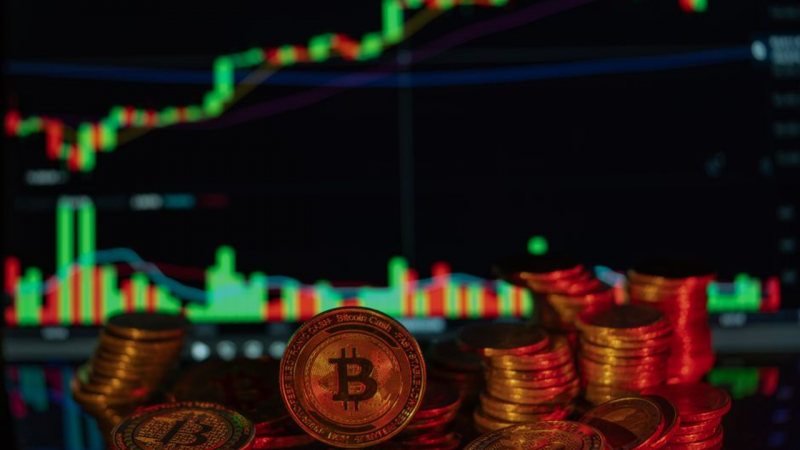
Photo: Rafael Minguet Delgado / Pexels

Bitcoin holds near $81,000 as wholesale prices jump 1.3%

September producer prices posted their biggest monthly gain since March 2022, and crypto markets barely moved

US wholesale inflation ran hot in September. The Producer Price Index climbed 1.3% month-over-month, its sharpest monthly rise since March 2022.

Bitcoin, meanwhile, stayed parked close to $81,000. For an asset often described as an inflation hedge, it reacted to an inflation shock with a shrug.

The annual PPI figure reached 6.3%. Energy did most of the damage, accounting for more than 80% of the increase in goods prices.

Energy prices carried the whole report

September’s report was dominated by fuel. Final-demand energy prices rose 10.8% in a single month.

Gasoline was the headliner, up 20.3%. Diesel managed to outdo it, rising 21.0%.

Advertisement

Strip out the volatile pieces and the picture calms down, though not entirely. Core PPI, which excludes food, energy and trade services, rose 0.5% month-over-month and 5.0% year-over-year.

Crypto stays calm through the release

Bitcoin slipped approximately 0.4% after the data came out. That was about the extent of the drama.

The broader market followed the same script. None of the five largest tokens moved more than 1% in either direction around the release.

That calm stands out given the backdrop. Hot consumer price data released earlier had already shaped market dynamics heading into the PPI print.

The Middle East and the oil supply problem

The energy surge did not happen in a vacuum. Ongoing geopolitical tensions in the Middle East are disrupting supplies of oil and refined products.

Those same tensions have been feeding into expectations for Federal Reserve policy. Higher energy costs push inflation up, which argues for tighter policy. But they also squeeze businesses and households, which argues for caution about tightening further.

Prediction markets currently put the odds of the Fed holding rates steady at its October meeting at roughly 72.5%.

What this means for Bitcoin and the rate outlook

A 72.5% probability of unchanged rates points to caution, not panic. If that holds, the immediate pressure on crypto from monetary policy looks limited.

A 5.0% annual core reading is harder to dismiss. If underlying inflation stays sticky, the conversation could shift from holding rates to raising them.

Bitcoin’s ability to hold near $81,000 through back-to-back hot inflation reports is notable. Still, holding steady is not the same as rallying.

Wholesale prices just posted their biggest monthly jump since March 2022, and the largest tokens in crypto barely flinched.

Disclosure: This article was edited by Vivian Nguyen. For more information on how we create and review content, see our Editorial Policy.
Bitcoin holds near $81,000 as wholesale prices jump 1.3%

September producer prices posted their biggest monthly gain since March 2022, and crypto markets barely moved

Photo: Rafael Minguet Delgado / Pexels

US wholesale inflation ran hot in September. The Producer Price Index climbed 1.3% month-over-month, its sharpest monthly rise since March 2022.

Bitcoin, meanwhile, stayed parked close to $81,000. For an asset often described as an inflation hedge, it reacted to an inflation shock with a shrug.

The annual PPI figure reached 6.3%. Energy did most of the damage, accounting for more than 80% of the increase in goods prices.

Energy prices carried the whole report

September’s report was dominated by fuel. Final-demand energy prices rose 10.8% in a single month.

Gasoline was the headliner, up 20.3%. Diesel managed to outdo it, rising 21.0%.

Advertisement

Strip out the volatile pieces and the picture calms down, though not entirely. Core PPI, which excludes food, energy and trade services, rose 0.5% month-over-month and 5.0% year-over-year.

Crypto stays calm through the release

Bitcoin slipped approximately 0.4% after the data came out. That was about the extent of the drama.

The broader market followed the same script. None of the five largest tokens moved more than 1% in either direction around the release.

That calm stands out given the backdrop. Hot consumer price data released earlier had already shaped market dynamics heading into the PPI print.

The Middle East and the oil supply problem

The energy surge did not happen in a vacuum. Ongoing geopolitical tensions in the Middle East are disrupting supplies of oil and refined products.

Those same tensions have been feeding into expectations for Federal Reserve policy. Higher energy costs push inflation up, which argues for tighter policy. But they also squeeze businesses and households, which argues for caution about tightening further.

Prediction markets currently put the odds of the Fed holding rates steady at its October meeting at roughly 72.5%.

What this means for Bitcoin and the rate outlook

A 72.5% probability of unchanged rates points to caution, not panic. If that holds, the immediate pressure on crypto from monetary policy looks limited.

A 5.0% annual core reading is harder to dismiss. If underlying inflation stays sticky, the conversation could shift from holding rates to raising them.

Bitcoin’s ability to hold near $81,000 through back-to-back hot inflation reports is notable. Still, holding steady is not the same as rallying.

Wholesale prices just posted their biggest monthly jump since March 2022, and the largest tokens in crypto barely flinched.

Disclosure: This article was edited by Vivian Nguyen. For more information on how we create and review content, see our Editorial Policy.