Corma raises $125M at $1B valuation, expands server capacity 24-fold
Photo: Brett Sayles / Pexels
The Israeli-founded AI cybersecurity startup hit unicorn status roughly three months after leaving stealth, backed by NEA, Sequoia, Khosla and Coatue
Corma, an Israeli-founded AI cybersecurity startup, has closed a $125 million Series A at a $1 billion valuation. The round was announced on November 16, 2026, and was led by NEA.
The company emerged from stealth in August 2026.
The money, the backers, and the servers
NEA led the Series A, with Sequoia Capital, Khosla Ventures, and Coatue also participating.
The new capital follows a $60 million seed round raised just three months earlier. Combined, Corma’s total funding now stands at $185 million.
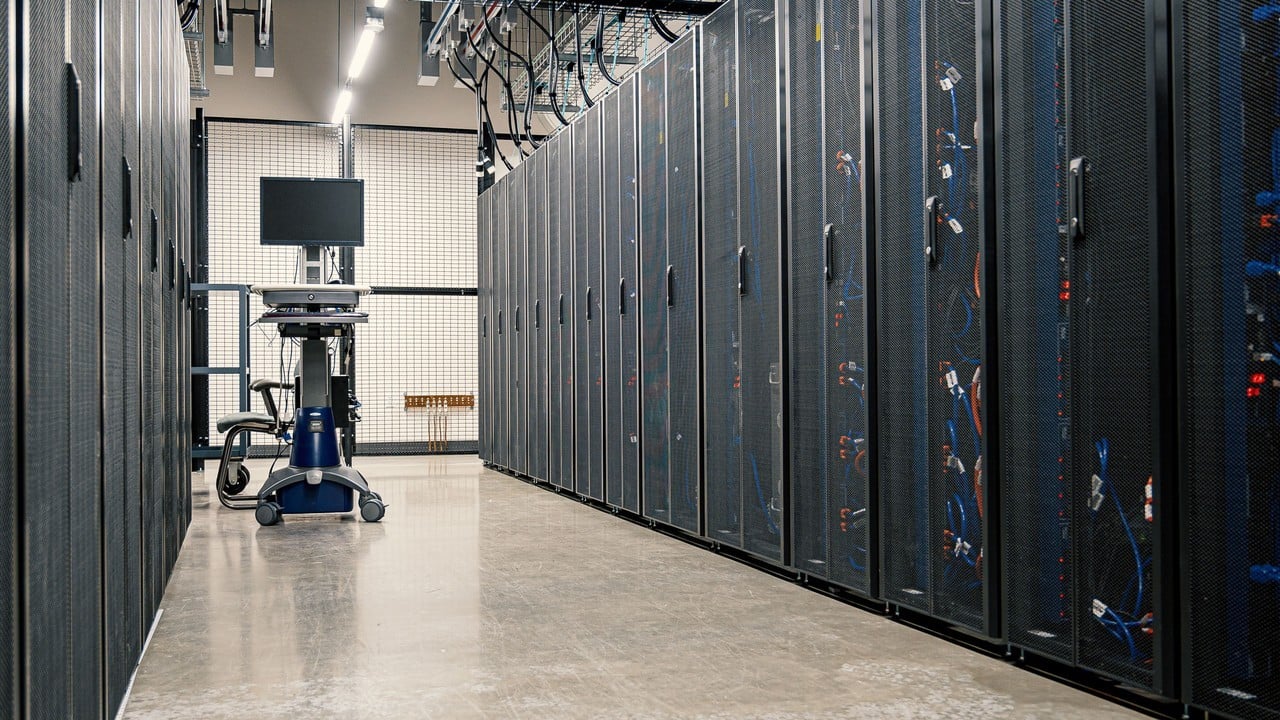
Corma has expanded its server and compute capacity 24-fold since August 2026. Even with that buildout, many organizations are still sitting on a waitlist.
That demand is coming from large enterprises. Corma counts Fortune 100, Fortune 500, and Global 500 companies among its interested customers, spanning healthcare, financial services, energy, and telecommunications.
AI, tech, and the markets they move—in one daily briefing.
Daily. Free. Join 34,000+ readers across crypto, finance, and policy.
Annual recurring revenue is estimated to be in the tens of millions.
A small team building its own models
Corma was founded in 2025 by Alon Pluda, a former member of Unit 8200, the Israeli military intelligence unit. The company employs approximately 20 to 25 people, split between Tel Aviv and San Francisco.
The core of Corma’s pitch is that it builds its own foundation models. Rather than plugging into existing models from companies like OpenAI and Anthropic, it trains proprietary models specifically for defensive cybersecurity.
The company’s stated goal is a kind of defensive “superintelligence.” In practice, that means autonomous AI agents that slot into the security frameworks companies already run, rather than forcing them to rip out existing tools.
What the fresh capital is for
Corma plans to put the new money toward scaling its models and expanding its compute capabilities further. It also intends to hire additional staff, though selectively.
Background: from stealth to unicorn in one quarter
The timeline is compressed even by the standards of the current AI funding cycle. Corma was founded in 2025, raised a $60 million seed and exited stealth in August 2026, then closed its Series A in November 2026.
Pluda’s Unit 8200 background fits a familiar pattern in Israeli cybersecurity, where alumni of the unit have a long track record of founding security companies.
Disclosure: This article was edited by Diego Almada Lopez. For more information on how we create and review content, see our Editorial Policy.

