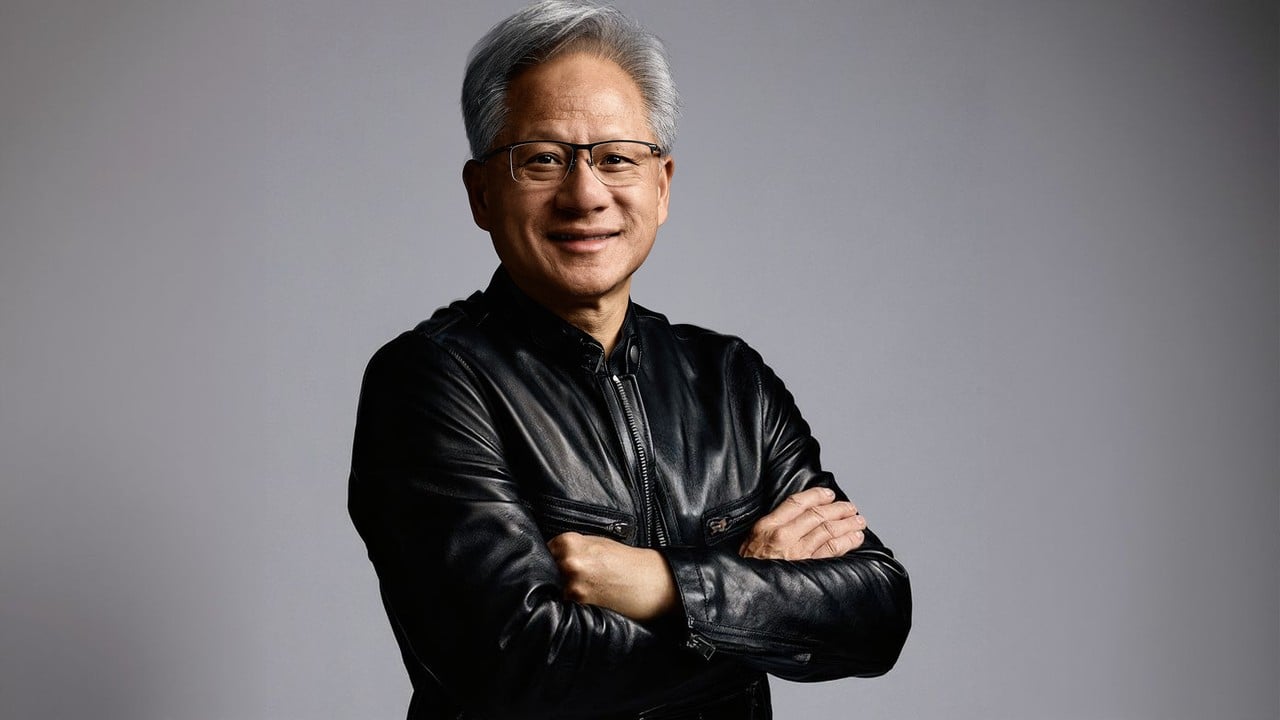
Elon Musk says “the mistake has been corrected” after Nvidia reinstates Jensen Huang
NVIDIA official newsroom (nvidianews.nvidia.com/bios/jensen-huang)
Nvidia's board unanimously restored Huang as CEO, and Musk, who publicly backed the reversal, called it a fix
Nvidia’s board has put Jensen Huang back in charge. Elon Musk wants everyone to know he saw it coming.
On November 23, 2026, the board voted unanimously to reinstate Huang as President, CEO, and director, effective immediately. Musk responded on X with five words that read like an end-of-season review:
“The mistake has been corrected.”
The reversal closes a short and turbulent chapter at one of the most important companies in tech. It also turns Musk from a vocal bystander into something closer to a vindicated campaigner.
What happened at Nvidia
Huang resigned in mid-November 2026 amid allegations of personal misconduct, including reported extramarital affairs. His departure left the company without the founder-CEO whose name has become shorthand for the AI chip boom.
The exit did not last long. Roughly a week later, the board reversed course with a unanimous vote.
That vote followed internal discussions. According to the research findings, those talks concluded that Huang’s conduct posed no national security risks. The board also weighed feedback from senior US officials before reaching its decision.
The speed of the turnaround is the other story. Boards usually move slowly on CEO decisions, often over months. Nvidia went from resignation to reinstatement in about the time it takes most companies to schedule a town hall.
Musk’s campaign for Huang
Musk did not wait for the board to act before picking a side. He publicly argued that removing Huang was a mistake from the start.
AI, tech, and the markets they move—in one daily briefing.
Daily. Free. Join 34,000+ readers across crypto, finance, and policy.
His reasoning centered on trust. Musk urged Nvidia to keep its trusted leadership in place while crucial supply-chain deals were in play.
He also reached for a sports analogy. Musk compared Huang’s value to Nvidia to that of Michael Jordan at his peak.
Musk went beyond posting. He signed a petition calling for Huang’s reinstatement, highlighting what he described as Huang’s irreplaceability for Nvidia’s operations and relationships.
For a CEO who runs Tesla and SpaceX, this was an unusually direct intervention in another company’s governance. Musk’s businesses are also major buyers in the AI hardware market, which gives his opinion on Nvidia’s leadership a certain commercial weight.
Why personal trust became the central issue
The core of Musk’s argument is that big supply-chain relationships in semiconductors run on personal trust, not just contracts. In that framing, Huang is not simply an executive. He is the relationship.
The research findings describe Huang’s role as pivotal in maintaining relationships with major clients. Musk’s public endorsement put that dependence on display for anyone watching.
What this means for Nvidia and the industry
The most immediate implication is stability. The reinstatement is likely to restore some measure of calm at Nvidia after a chaotic mid-November.
The governance questions do not disappear, though. A board that accepts a CEO’s resignation and then reverses itself within days invites scrutiny of how it handled the first decision. Shareholders will likely want to understand what changed between mid-November and November 23 beyond the national security review and input from US officials.
There is also a key-person risk that the episode put under a spotlight. If Musk is right that Huang is irreplaceable, that is a compliment to Huang and a warning about Nvidia.
The broader tech sector may take its own lesson from the week. The research findings suggest that investor and public trust could increasingly hinge on the perceived integrity and reliability of executives.
For companies considered foundational to US economic and security interests, that tension is now an open question. Boards will be weighing personal conduct, operational continuity, and national security input all at once, often under public pressure from high-profile figures like Musk.
Disclosure: This article was edited by Diego Almada Lopez. For more information on how we create and review content, see our Editorial Policy.

