
FIFA’s $20 billion World Cup sell-off sparks internal revolt as COO turns on president

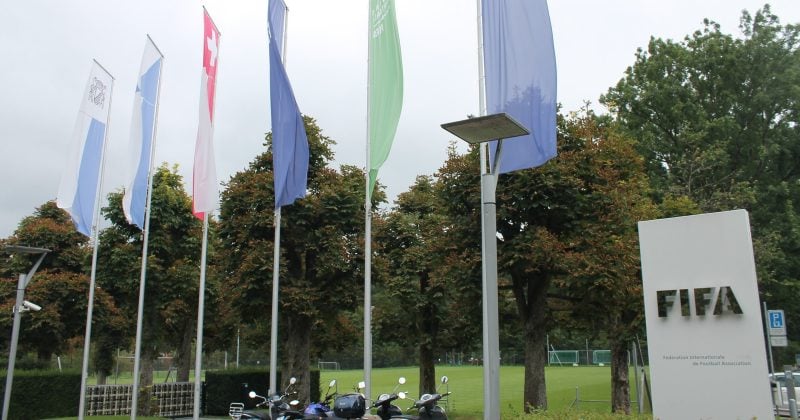
Via tripadvisor.com

FIFA’s $20 billion World Cup sell-off sparks internal revolt as COO turns on president

Kevin Lamour accuses Gianni Infantino of deception over plan to sell minority stake in FIFA's crown jewel events, warning he may lose his job for speaking out.

FIFA’s chief operating officer just went scorched earth on his own boss. Kevin Lamour publicly accused FIFA President Gianni Infantino of deceiving staff over a proposal to sell a large minority stake in the organization’s most valuable assets, including the World Cup itself.

Lamour said he was willing to lose his job for speaking out, adding that FIFA staff “deserve better than contempt and intimidation.”

The $20 billion question

Infantino has been pushing a plan to create a new company that would oversee FIFA’s marquee events, including the World Cup and the Club World Cup. The idea is to sell a large minority stake in that entity, with the goal of generating roughly $20 billion.

The money, according to Infantino’s pitch, would be used to triple the development funding FIFA distributes to its 211 member associations.

Advertisement

An inside job gone sideways

What makes Lamour’s criticism particularly damaging is that he wasn’t some outside agitator. He’s been FIFA’s COO since November 1, 2024, and by his own account, he and Infantino had been developing this proposal together for several months.

The timing matters too. This erupted on July 31, 2026, which puts it squarely in the window when FIFA would need buy-in from member associations and confederations to move forward with any structural deal of this magnitude.

Europe and the boycott threat

Lamour isn’t alone in his opposition. UEFA, the European football confederation, and Concacaf, which governs North and Central America plus the Caribbean, have both expressed opposition to the proposal.

Reports have surfaced suggesting that European nations could boycott the World Cup if the proposal moves forward as planned.

This creates a paradox for Infantino. The $20 billion valuation presumably depends on the World Cup maintaining its status as the most-watched sporting event globally. If a boycott materializes, the asset being sold is worth dramatically less than what investors are being asked to pay for it.

Concacaf’s opposition adds another layer. With the 2026 World Cup hosted across North America, having the regional confederation publicly skeptical of your governance proposal is, to put it mildly, not ideal optics.

What this means for investors watching sports commercialization

FIFA’s proposal would represent one of the largest sports commercialization deals ever attempted. A $20 billion valuation for World Cup-related commercial rights would dwarf most comparable transactions in professional sports.

The internal revolt, combined with confederation-level opposition, suggests this deal faces structural governance hurdles. FIFA operates on a one-member-one-vote system across its 211 associations, which means Infantino needs broad political consensus, not just a compelling slide deck.

Disclosure: This article was edited by Editorial Team. For more information on how we create and review content, see our Editorial Policy.

FIFA’s $20 billion World Cup sell-off sparks internal revolt as COO turns on president

FIFA’s $20 billion World Cup sell-off sparks internal revolt as COO turns on president

Kevin Lamour accuses Gianni Infantino of deception over plan to sell minority stake in FIFA's crown jewel events, warning he may lose his job for speaking out.

Via tripadvisor.com

FIFA’s chief operating officer just went scorched earth on his own boss. Kevin Lamour publicly accused FIFA President Gianni Infantino of deceiving staff over a proposal to sell a large minority stake in the organization’s most valuable assets, including the World Cup itself.

Lamour said he was willing to lose his job for speaking out, adding that FIFA staff “deserve better than contempt and intimidation.”

The $20 billion question

Infantino has been pushing a plan to create a new company that would oversee FIFA’s marquee events, including the World Cup and the Club World Cup. The idea is to sell a large minority stake in that entity, with the goal of generating roughly $20 billion.

The money, according to Infantino’s pitch, would be used to triple the development funding FIFA distributes to its 211 member associations.

Advertisement

An inside job gone sideways

What makes Lamour’s criticism particularly damaging is that he wasn’t some outside agitator. He’s been FIFA’s COO since November 1, 2024, and by his own account, he and Infantino had been developing this proposal together for several months.

The timing matters too. This erupted on July 31, 2026, which puts it squarely in the window when FIFA would need buy-in from member associations and confederations to move forward with any structural deal of this magnitude.

Europe and the boycott threat

Lamour isn’t alone in his opposition. UEFA, the European football confederation, and Concacaf, which governs North and Central America plus the Caribbean, have both expressed opposition to the proposal.

Reports have surfaced suggesting that European nations could boycott the World Cup if the proposal moves forward as planned.

This creates a paradox for Infantino. The $20 billion valuation presumably depends on the World Cup maintaining its status as the most-watched sporting event globally. If a boycott materializes, the asset being sold is worth dramatically less than what investors are being asked to pay for it.

Concacaf’s opposition adds another layer. With the 2026 World Cup hosted across North America, having the regional confederation publicly skeptical of your governance proposal is, to put it mildly, not ideal optics.

What this means for investors watching sports commercialization

FIFA’s proposal would represent one of the largest sports commercialization deals ever attempted. A $20 billion valuation for World Cup-related commercial rights would dwarf most comparable transactions in professional sports.

The internal revolt, combined with confederation-level opposition, suggests this deal faces structural governance hurdles. FIFA operates on a one-member-one-vote system across its 211 associations, which means Infantino needs broad political consensus, not just a compelling slide deck.

Disclosure: This article was edited by Editorial Team. For more information on how we create and review content, see our Editorial Policy.