
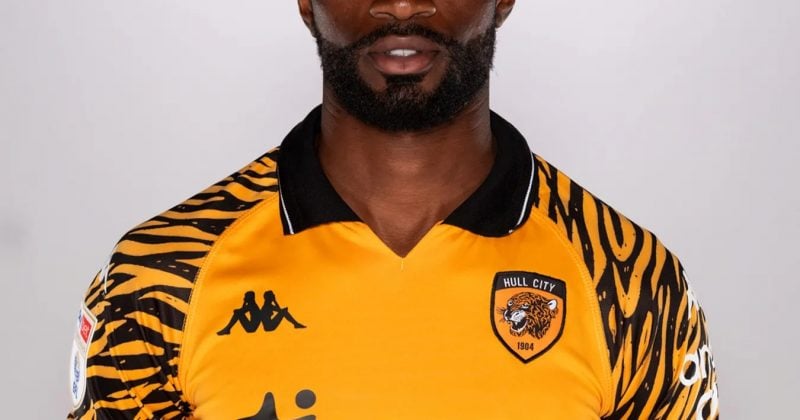
Hull City’s pursuit of €20M goalkeeper highlights football’s ballooning transfer economics
The Championship club's aggressive spending signals broader trends in football club valuations and sports investment that increasingly intersect with tokenized fan economies.
Hull City, a club competing in England’s second-tier Championship, is reportedly in advanced negotiations to sign Olympiacos goalkeeper Konstantinos Tzolakis in a deal that could reach €20 million. The 23-year-old Greek international, who has made 89 appearances for Olympiacos since debuting in 2019, carries a market valuation of roughly €18 million. His contract runs through June 2027, giving Olympiacos leverage but not unlimited time to cash in.
The deal and its context
Tzolakis is reportedly open to the move, which puts Hull City in a favorable position ahead of other interested parties. Those other suitors reportedly include Leeds United, Liverpool, Arsenal, Napoli, and Bayern Munich, making Hull’s potential coup all the more notable for a Championship outfit.
Hull recently signed goalkeeper Jack Butland from Rangers. Pursuing a second high-profile keeper suggests this isn’t just squad depth planning. It looks like a broader strategy to build a roster capable of earning promotion to the Premier League.
Football’s financial arms race and the crypto connection
Olympiacos, Tzolakis’s current club, is owned by Evangelos Marinakis, who also controls Nottingham Forest in the Premier League. The cross-border ownership structures that dominate modern football increasingly resemble the kind of complex, multi-entity financial engineering that crypto natives would recognize. Clubs function as portfolio assets, with player transfers serving as something between operating expenses and speculative investments in appreciating talent.
The news moving money, markets, and the world—before your day starts.
Daily. Free. Join 34,000+ readers across crypto, finance, and policy.
Fan tokens, which launched with considerable hype through platforms like Socios and Chiliz, promised to bring blockchain-based governance and engagement to football supporters. The total fan token market, once valued in the billions during peak crypto euphoria, has contracted significantly.