
Iran conflict drives global petrol prices higher

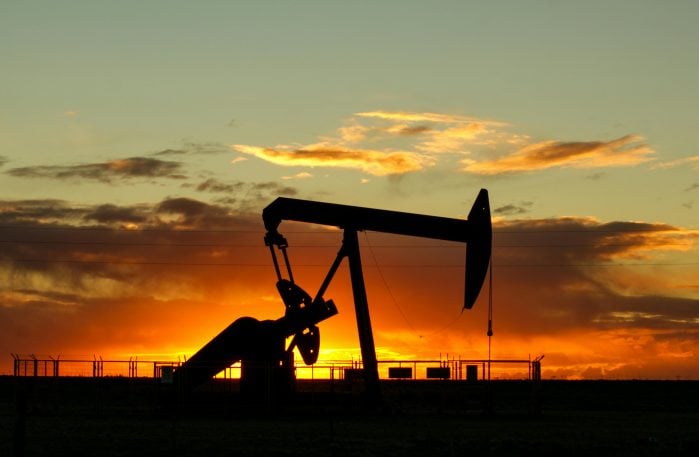
Photo by Jan Zakelj

Iran conflict drives global petrol prices higher

Crude oil all time high predictions

Since the onset of the conflict in Iran, consumers worldwide have been grappling with rising petrol prices, as reported by Al Jazeera. The geopolitical tension in the Middle East has significantly impacted global oil markets, pushing retail petrol prices higher in numerous countries. The increase in Brent crude prices, which spiked to over $110-$118 per barrel during the conflict and later settled around $90-$95, underscores the broader impact on consumer fuel costs. Key regions experiencing significant petrol price hikes include Malaysia, Pakistan, and the UAE, with the UK and U.S. also seeing substantial increases.

Key Takeaways

  • Al Jazeera’s report on rising petrol prices suggests heightened geopolitical tensions affecting global oil markets.
  • Brent crude’s fluctuation, peaking over $110 per barrel, indicates market volatility linked to the Iran conflict.
  • Current market pricing implies a low probability of crude oil reaching a new all-time high by September 30, with a slightly higher outlook by December 31.

What to Watch

Observers will monitor developments in the Middle East for any changes that might affect oil supply and pricing. Key actors like OPEC, the IEA, and Saudi Arabia’s energy ministry could influence market perceptions through policy announcements. If geopolitical tensions ease or if significant oil production adjustments occur, it could shift current market expectations and impact crude oil price predictions.

Disclosure: This article was edited by Estefano Gomez. For more information on how we create and review content, see our Editorial Policy.
Iran conflict drives global petrol prices higher

Crude oil all time high predictions

Photo by Jan Zakelj

Since the onset of the conflict in Iran, consumers worldwide have been grappling with rising petrol prices, as reported by Al Jazeera. The geopolitical tension in the Middle East has significantly impacted global oil markets, pushing retail petrol prices higher in numerous countries. The increase in Brent crude prices, which spiked to over $110-$118 per barrel during the conflict and later settled around $90-$95, underscores the broader impact on consumer fuel costs. Key regions experiencing significant petrol price hikes include Malaysia, Pakistan, and the UAE, with the UK and U.S. also seeing substantial increases.

Key Takeaways

  • Al Jazeera’s report on rising petrol prices suggests heightened geopolitical tensions affecting global oil markets.
  • Brent crude’s fluctuation, peaking over $110 per barrel, indicates market volatility linked to the Iran conflict.
  • Current market pricing implies a low probability of crude oil reaching a new all-time high by September 30, with a slightly higher outlook by December 31.

What to Watch

Observers will monitor developments in the Middle East for any changes that might affect oil supply and pricing. Key actors like OPEC, the IEA, and Saudi Arabia’s energy ministry could influence market perceptions through policy announcements. If geopolitical tensions ease or if significant oil production adjustments occur, it could shift current market expectations and impact crude oil price predictions.

Disclosure: This article was edited by Estefano Gomez. For more information on how we create and review content, see our Editorial Policy.