The state-backed platform aims to use cryptocurrency settlements to bypass Western financial systems and monetize Iran's control over one of the world's most critical shipping lanes.
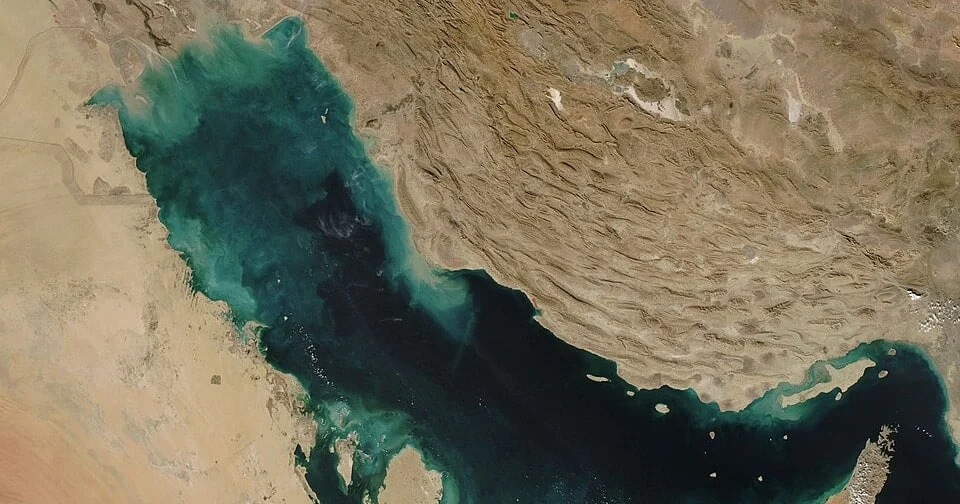
Iran has tapped Bitcoin for a new insurance platform covering cargo shipments moving through the Strait of Hormuz and surrounding waterways, Fars news agency reported, citing documents from the Ministry of Economy and Financial Affairs.
The service, branded Hormuz Safe, is designed to issue maritime insurance policies and liability certificates for ships using the key shipping route, providing instant coverage upon payment confirmation, with policies digitally verified and settled in Bitcoin. It could generate more than $10 billion in revenue for Tehran, according to official estimates.
The site cited in the report, hormuzsafe.ir, appears unavailable outside Iran.
The move follows months of disruption in the Strait of Hormuz after US and Israeli airstrikes against Iran beginning Feb. 28 prompted Tehran and the Islamic Revolutionary Guard Corps to tighten control over the strategic shipping lane. Iranian authorities have explored tolls, transit fees and other measures to monetize access to the corridor.
Iran’s adoption of crypto including Bitcoin and Tether has accelerated amid years of US sanctions targeting its financial system and energy exports.
Iran has told ship operators that passage through the Strait of Hormuz will require digital currency payments, including Bitcoin, with a proposed toll of roughly $1 per barrel for crude carriers, according to the Financial Times.
Under the system, tankers must file detailed cargo information before receiving approval and paying transit fees in crypto, while vessels are directed on a designated coastal route near Iran. Non-compliant ships face warnings and potential military action, as authorities tighten monitoring during a fragile ceasefire period and restrict the number of vessels allowed through the chokepoint.