
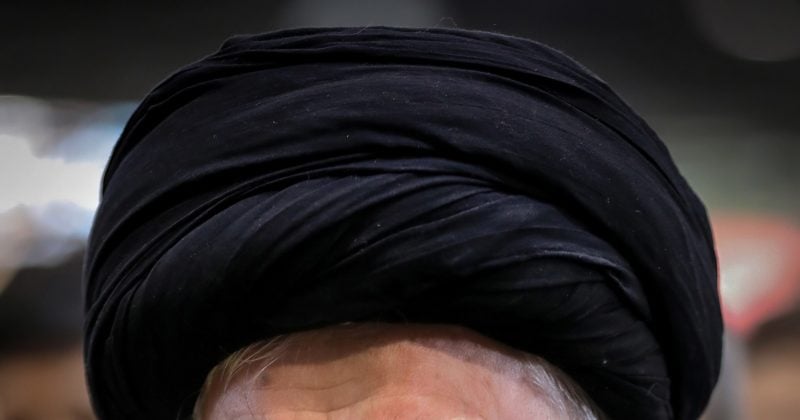
Iran pursues investigations into killing of former Supreme Leader Ali Khamenei
Tehran's prosecutor general signals cross-border accountability push following February 2026 assassination, raising geopolitical stakes that ripple through energy and crypto markets
Iran’s Prosecutor General has announced that authorities are actively investigating the killing of Supreme Leader Ali Khamenei and senior military commanders, with probes extending both inside and outside the country’s borders.
What happened and what Iran is doing about it
Ali Khamenei was killed on February 28, 2026, during what has been described as a decapitation operation involving US intelligence and Israeli execution. The Iranian government confirmed his death the following day, on March 1, 2026.
The strike targeted a gathering of senior Iranian officials in Tehran, resulting in significant casualties among both military and political leadership.
The Prosecutor General’s office has initiated formal investigations aimed at establishing accountability on both domestic and international fronts. Mojtaba Khamenei, the late leader’s son, has referenced ongoing material evidence collection as recently as July 11, 2026.
The news moving money, markets, and the world—before your day starts.
Daily. Free. Join 34,000+ readers across crypto, finance, and policy.
On March 8, 2026, just days after confirming the assassination, Iran issued warnings to its citizens abroad. The message was blunt: cooperation with what the government labels “hostile enemies” could trigger severe penalties, including potential death sentences under the country’s espionage laws.
The geopolitical powder keg and market implications
Iran’s investigation rhetoric also carries implications for the sanctions landscape. The Treasury Department’s Office of Foreign Assets Control has repeatedly flagged Iranian crypto wallets and mixers. A new cycle of escalation would likely mean new enforcement actions, new wallet blacklists, and new compliance headaches for exchanges operating in regulated jurisdictions.
Why crypto traders should pay attention
Mojtaba Khamenei’s emphasis on evidence collection suggests Iran may pursue cases in international legal forums, attempt to build coalitions among sympathetic states, or use the findings as justification for retaliatory operations.