
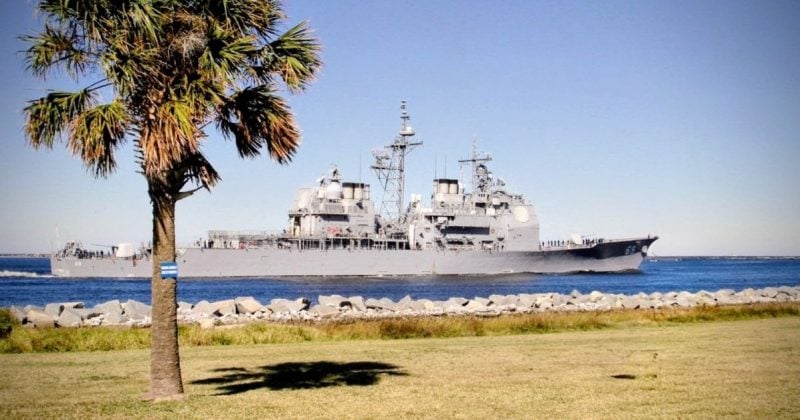
Iran missile strike ignites fire at US Navy Fifth Fleet in Bahrain

https://www.marineinsight.com/shipping-news/irans-attack-on-u-s-navy-fifth-fleet-headquarters-in-bahrain-kills-21-american-soldiers/

Iran missile strike ignites fire at US Navy Fifth Fleet in Bahrain

Bab el-Mandeb strait closure dates

A fire erupted at the U.S. Navy Fifth Fleet facility in Bahrain following a missile strike by Iran, according to reports from FirstSquawk. This incident marks a significant escalation in the ongoing conflict between the U.S. and Iran, which commenced in February 2026. The attack highlights vulnerabilities in regional air defenses and has reportedly caused severe damage to the command structure of the Fifth Fleet headquarters, a critical hub for U.S. naval operations in the Middle East. The Fifth Fleet is crucial for safeguarding the passage of oil supplies through the Strait of Hormuz, and its compromise could have broader geopolitical implications.

Advertisement

Key Takeaways

  • The fire at the U.S. Navy Fifth Fleet facility appears to indicate a critical escalation in the Iran-U.S. conflict.
  • Market pricing suggests an increased likelihood of disruptions in the Bab el-Mandeb Strait, with YES odds rising from 12% to 15.5% in 24 hours.
  • The situation may indicate vulnerabilities in the security infrastructure protecting major maritime routes in the region.

What to Watch

Markets will be closely monitoring any developments involving the Bab el-Mandeb Strait, with attention on potential Houthi actions that could further disrupt shipping routes. Key indicators include announcements from Houthi leaders or shifts in U.S. Navy operational reports. Further escalation or confirmation of significant damage to U.S. facilities could lead to increased activity concerning maritime security and regional stability.

Get live prediction-market analysis, powered by Vera. Sign up for Vera.

Disclosure: This article was edited by Estefano Gomez. For more information on how we create and review content, see our Editorial Policy.

Iran missile strike ignites fire at US Navy Fifth Fleet in Bahrain

Iran missile strike ignites fire at US Navy Fifth Fleet in Bahrain

Bab el-Mandeb strait closure dates

https://www.marineinsight.com/shipping-news/irans-attack-on-u-s-navy-fifth-fleet-headquarters-in-bahrain-kills-21-american-soldiers/

A fire erupted at the U.S. Navy Fifth Fleet facility in Bahrain following a missile strike by Iran, according to reports from FirstSquawk. This incident marks a significant escalation in the ongoing conflict between the U.S. and Iran, which commenced in February 2026. The attack highlights vulnerabilities in regional air defenses and has reportedly caused severe damage to the command structure of the Fifth Fleet headquarters, a critical hub for U.S. naval operations in the Middle East. The Fifth Fleet is crucial for safeguarding the passage of oil supplies through the Strait of Hormuz, and its compromise could have broader geopolitical implications.

Advertisement

Key Takeaways

  • The fire at the U.S. Navy Fifth Fleet facility appears to indicate a critical escalation in the Iran-U.S. conflict.
  • Market pricing suggests an increased likelihood of disruptions in the Bab el-Mandeb Strait, with YES odds rising from 12% to 15.5% in 24 hours.
  • The situation may indicate vulnerabilities in the security infrastructure protecting major maritime routes in the region.

What to Watch

Markets will be closely monitoring any developments involving the Bab el-Mandeb Strait, with attention on potential Houthi actions that could further disrupt shipping routes. Key indicators include announcements from Houthi leaders or shifts in U.S. Navy operational reports. Further escalation or confirmation of significant damage to U.S. facilities could lead to increased activity concerning maritime security and regional stability.

Get live prediction-market analysis, powered by Vera. Sign up for Vera.

Disclosure: This article was edited by Estefano Gomez. For more information on how we create and review content, see our Editorial Policy.