
Iran-Oman deal doesn’t secure Strait of Hormuz: foreign ministry

https://en.wikipedia.org/wiki/Strait_of_Hormuz

Iran-Oman deal doesn’t secure Strait of Hormuz: foreign ministry

US-Iran Hormuz agreement

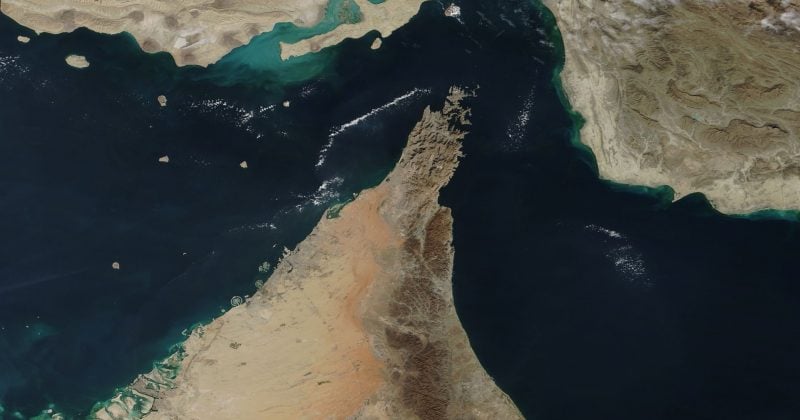
Iran has stated that the recent agreement with Oman does not guarantee the security of the Strait of Hormuz. This announcement was made by Iran’s foreign ministry spokesperson, emphasizing that while discussions are ongoing, the agreement itself is not a definitive solution to securing the crucial maritime passage. The Strait of Hormuz is a vital chokepoint for global oil shipments, and its security is of international concern. The statement suggests that control and governance issues remain unresolved, which may impact ongoing negotiations between Iran and other parties, including the United States.

Advertisement

Key Takeaways

  • Recent statements from Iran’s foreign ministry appear to suggest that the Iran-Oman agreement does not ensure the security of the Strait of Hormuz, affecting market confidence.
  • The market pricing for a U.S.-Iran agreement on the strait by August 15 appears to have decreased, reflecting concerns over unresolved governance issues.
  • Observers note that the talks’ unresolved status at a higher level of control and governance could indicate challenges in reaching a comprehensive agreement.

What to Watch

Markets will be watching for any updates from diplomatic talks between Iran, Oman, and other stakeholders, particularly the United States. Any developments that indicate progress towards resolving control and governance issues in the Strait of Hormuz could be supportive of a YES outcome. Conversely, further statements from Iran or other parties highlighting unresolved issues could continue to suggest pricing consistent with NO outcome support. The upcoming deadline on August 15 for a U.S.-Iran agreement will be a key date for observers.

Get live prediction-market analysis, powered by Vera. Sign up for Vera.

Disclosure: This article was edited by Estefano Gomez. For more information on how we create and review content, see our Editorial Policy.

Iran-Oman deal doesn’t secure Strait of Hormuz: foreign ministry

Iran-Oman deal doesn’t secure Strait of Hormuz: foreign ministry

US-Iran Hormuz agreement

https://en.wikipedia.org/wiki/Strait_of_Hormuz

Iran has stated that the recent agreement with Oman does not guarantee the security of the Strait of Hormuz. This announcement was made by Iran’s foreign ministry spokesperson, emphasizing that while discussions are ongoing, the agreement itself is not a definitive solution to securing the crucial maritime passage. The Strait of Hormuz is a vital chokepoint for global oil shipments, and its security is of international concern. The statement suggests that control and governance issues remain unresolved, which may impact ongoing negotiations between Iran and other parties, including the United States.

Advertisement

Key Takeaways

  • Recent statements from Iran’s foreign ministry appear to suggest that the Iran-Oman agreement does not ensure the security of the Strait of Hormuz, affecting market confidence.
  • The market pricing for a U.S.-Iran agreement on the strait by August 15 appears to have decreased, reflecting concerns over unresolved governance issues.
  • Observers note that the talks’ unresolved status at a higher level of control and governance could indicate challenges in reaching a comprehensive agreement.

What to Watch

Markets will be watching for any updates from diplomatic talks between Iran, Oman, and other stakeholders, particularly the United States. Any developments that indicate progress towards resolving control and governance issues in the Strait of Hormuz could be supportive of a YES outcome. Conversely, further statements from Iran or other parties highlighting unresolved issues could continue to suggest pricing consistent with NO outcome support. The upcoming deadline on August 15 for a U.S.-Iran agreement will be a key date for observers.

Get live prediction-market analysis, powered by Vera. Sign up for Vera.

Disclosure: This article was edited by Estefano Gomez. For more information on how we create and review content, see our Editorial Policy.