
Iran undercuts US with lower Strait of Hormuz transit fee proposal

https://www.hindustantimes.com/world-news/can-iran-charge-fees-for-ships-to-transit-the-strait-of-hormuz-explained-101775581343706.html

Iran undercuts US with lower Strait of Hormuz transit fee proposal

Iran Hormuz fees

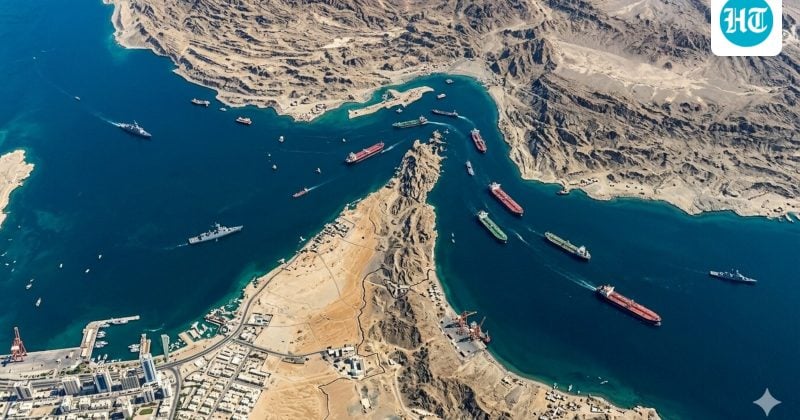
Iran has reportedly proposed a lower fee for vessels transiting the Strait of Hormuz, challenging the United States’ proposed 20 percent toll on eligible cargo. This development emerges amid a tense U.S.-Iran standoff over the strategic waterway, which is crucial for global oil and gas trade. The U.S. has maintained a military presence around the strait, while Iran has seized vessels that do not comply with its own fee demands. Iran’s move to undercut the U.S. fee suggests a strategic effort to assert control over the strait’s economic dynamics, potentially reshaping market expectations about ongoing toll disputes.

Advertisement

Key Takeaways

  • Iran’s lower fee proposal appears to be a strategic maneuver to challenge U.S. control over the Strait of Hormuz tolls.
  • Market pricing suggests increased likelihood of Iran charging fees, with the July 15 market moving from 3% to 5.2% YES.
  • Iran’s fee initiative could impact the broader geopolitical balance, influencing oil and gas transit through the strait.

What to Watch

The coming days will be critical as Iran may formalize its toll strategy. Key developments to monitor include any official announcements from the Iranian government or the IRGC regarding fee collections, as well as U.S. reactions. Additionally, reports from shipping companies or international bodies confirming vessel payments could further reinforce the likelihood of Iran implementing its tolls. The evolving situation is likely to be pivotal in the larger context of the U.S.-Iran conflict over maritime rights in the region.

Get live prediction-market analysis, powered by Vera. Sign up for Vera.

Disclosure: This article was edited by Estefano Gomez. For more information on how we create and review content, see our Editorial Policy.

Iran undercuts US with lower Strait of Hormuz transit fee proposal

Iran undercuts US with lower Strait of Hormuz transit fee proposal

Iran Hormuz fees

https://www.hindustantimes.com/world-news/can-iran-charge-fees-for-ships-to-transit-the-strait-of-hormuz-explained-101775581343706.html

Iran has reportedly proposed a lower fee for vessels transiting the Strait of Hormuz, challenging the United States’ proposed 20 percent toll on eligible cargo. This development emerges amid a tense U.S.-Iran standoff over the strategic waterway, which is crucial for global oil and gas trade. The U.S. has maintained a military presence around the strait, while Iran has seized vessels that do not comply with its own fee demands. Iran’s move to undercut the U.S. fee suggests a strategic effort to assert control over the strait’s economic dynamics, potentially reshaping market expectations about ongoing toll disputes.

Advertisement

Key Takeaways

  • Iran’s lower fee proposal appears to be a strategic maneuver to challenge U.S. control over the Strait of Hormuz tolls.
  • Market pricing suggests increased likelihood of Iran charging fees, with the July 15 market moving from 3% to 5.2% YES.
  • Iran’s fee initiative could impact the broader geopolitical balance, influencing oil and gas transit through the strait.

What to Watch

The coming days will be critical as Iran may formalize its toll strategy. Key developments to monitor include any official announcements from the Iranian government or the IRGC regarding fee collections, as well as U.S. reactions. Additionally, reports from shipping companies or international bodies confirming vessel payments could further reinforce the likelihood of Iran implementing its tolls. The evolving situation is likely to be pivotal in the larger context of the U.S.-Iran conflict over maritime rights in the region.

Get live prediction-market analysis, powered by Vera. Sign up for Vera.

Disclosure: This article was edited by Estefano Gomez. For more information on how we create and review content, see our Editorial Policy.