
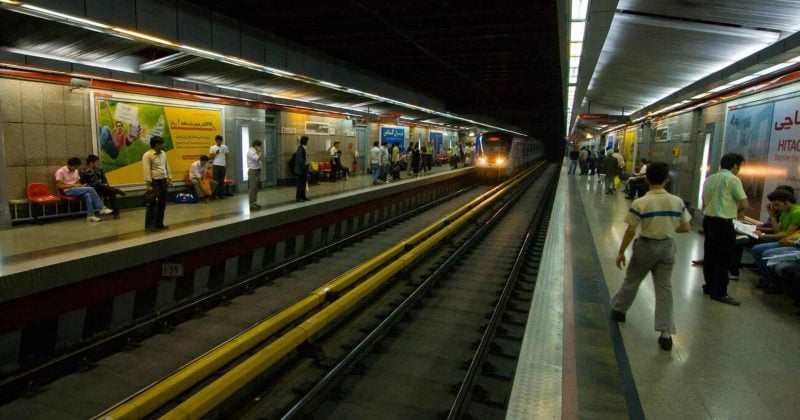
Iranian hardliners protest US negotiations, target Trump in Tehran metro

https://orienttrips.com/mag/tehran-metro-map/

Iranian hardliners protest US negotiations, target Trump in Tehran metro

Next round of US-Iran peace talks

A group of supporters of the Islamic Republic voiced their opposition to negotiations with the United States, chanting slogans in a Tehran metro station. The demonstrators expressed their dissent with phrases rejecting peace efforts, particularly targeting former U.S. President Donald Trump, whom they labeled as a “murderer.” This protest comes amid ongoing diplomatic efforts to resolve the conflict that escalated in 2026 following U.S.-Israeli military actions against Iran. Recent developments have seen an initial peace agreement signed, but resistance from hardline factions within Iran remains evident.

Advertisement

The ongoing negotiations, aimed at de-escalating tensions and reopening strategic routes like the Strait of Hormuz, face internal opposition within Iran. Market participants appear to interpret the chants as indicative of potential obstacles to further diplomatic meetings. The current market for a U.S.-Iran diplomatic meeting by July 31, 2026, is priced with a 73.5% likelihood of occurring, reflecting a slight increase from previous days but not without volatility influenced by such internal political dynamics.

Key Takeaways

  • The chanting in Tehran appears to suggest increased hardline resistance to ongoing U.S.-Iran negotiations.
  • Market pricing indicates a 73.5% likelihood of a diplomatic meeting by July 31, 2026, despite internal Iranian opposition.
  • Recent events, including public demonstrations, are consistent with scenarios where diplomatic progress may face significant challenges.

What to Watch

Monitoring future public demonstrations and official statements from Iran’s Foreign Ministry could provide further indications of the country’s stance on negotiations. Key actors such as Vice President J.D. Vance and Iran’s senior negotiator Kazem Gharibabadi will be crucial in determining the progress of diplomatic talks. Developments in mediator involvement, particularly from Qatar and Pakistan, could also influence market perceptions and pricing on the likelihood of a diplomatic meeting occurring within the indicated timeframe.

Get prediction market intelligence as a structured API feed. Early access waitlist.

Disclosure: This article was edited by Estefano Gomez. For more information on how we create and review content, see our Editorial Policy.

Iranian hardliners protest US negotiations, target Trump in Tehran metro

Iranian hardliners protest US negotiations, target Trump in Tehran metro

Next round of US-Iran peace talks

https://orienttrips.com/mag/tehran-metro-map/

A group of supporters of the Islamic Republic voiced their opposition to negotiations with the United States, chanting slogans in a Tehran metro station. The demonstrators expressed their dissent with phrases rejecting peace efforts, particularly targeting former U.S. President Donald Trump, whom they labeled as a “murderer.” This protest comes amid ongoing diplomatic efforts to resolve the conflict that escalated in 2026 following U.S.-Israeli military actions against Iran. Recent developments have seen an initial peace agreement signed, but resistance from hardline factions within Iran remains evident.

Advertisement

The ongoing negotiations, aimed at de-escalating tensions and reopening strategic routes like the Strait of Hormuz, face internal opposition within Iran. Market participants appear to interpret the chants as indicative of potential obstacles to further diplomatic meetings. The current market for a U.S.-Iran diplomatic meeting by July 31, 2026, is priced with a 73.5% likelihood of occurring, reflecting a slight increase from previous days but not without volatility influenced by such internal political dynamics.

Key Takeaways

  • The chanting in Tehran appears to suggest increased hardline resistance to ongoing U.S.-Iran negotiations.
  • Market pricing indicates a 73.5% likelihood of a diplomatic meeting by July 31, 2026, despite internal Iranian opposition.
  • Recent events, including public demonstrations, are consistent with scenarios where diplomatic progress may face significant challenges.

What to Watch

Monitoring future public demonstrations and official statements from Iran’s Foreign Ministry could provide further indications of the country’s stance on negotiations. Key actors such as Vice President J.D. Vance and Iran’s senior negotiator Kazem Gharibabadi will be crucial in determining the progress of diplomatic talks. Developments in mediator involvement, particularly from Qatar and Pakistan, could also influence market perceptions and pricing on the likelihood of a diplomatic meeting occurring within the indicated timeframe.

Get prediction market intelligence as a structured API feed. Early access waitlist.

Disclosure: This article was edited by Estefano Gomez. For more information on how we create and review content, see our Editorial Policy.