
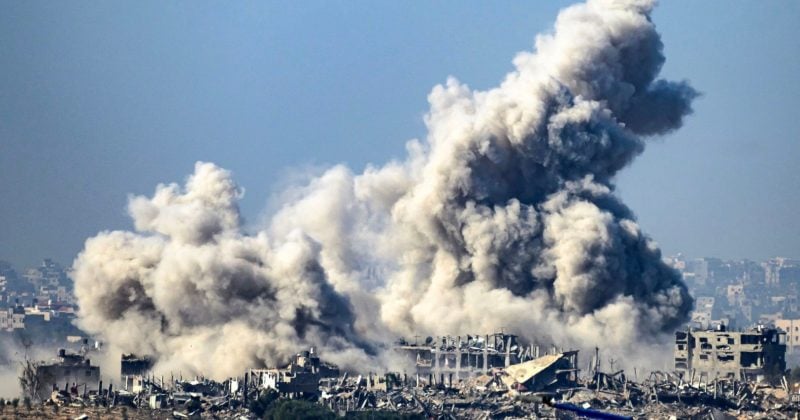
Israel strikes Lebanon as ceasefire collapses almost immediately

Via cnn.com

Israel strikes Lebanon as ceasefire collapses almost immediately

A U.S.-brokered truce was supposed to start June 19. It barely made it past the announcement.

A ceasefire is only as good as the parties willing to hold it. The latest U.S.-brokered truce between Israel and Hezbollah was set to begin at 4 p.m. local time on June 19, 2026. By most accounts, it did not survive the afternoon.

Israel launched airstrikes on what it described as dozens of Hezbollah positions in Lebanon shortly after the ceasefire window opened, citing more than 50 projectiles fired into Israeli territory as the trigger. Lebanese sources reported at least 20 deaths from those strikes. Hezbollah called it self-defense. Israel called it a necessary response to ongoing military buildup.

A pattern that keeps repeating

An earlier ceasefire reached in November 2024 was meant to draw a line under months of cross-border hostilities. It did not. A subsequent agreement in April 2026, effective April 16-17, was extended repeatedly as violence continued anyway.

Advertisement

Lebanese sources have counted more than 500 Israeli airstrikes since that November 2024 truce. The ceasefire agreements have functioned less like pauses and more like brief intermissions between acts of the same conflict.

Hezbollah’s position has been consistent: it frames its rocket fire as retaliation for Israeli strikes, and its continued military activity as resistance rather than aggression. Israel’s position is equally consistent: it views Hezbollah’s weapons stockpiling and positional rebuilding as an existential threat that ceasefire terms do nothing to address if the underlying capability remains intact.

What it means for markets and crypto

Bitcoin’s price has remained flat or under pressure since April 2026, which overlaps almost exactly with the period of intensifying regional tensions.

Lebanon’s own financial system has been functionally broken since the 2019 banking crisis. Lebanese citizens have been using dollar cash and, in some cases, crypto as alternatives to a lira that lost the vast majority of its value. In that specific context, crypto adoption has genuine grassroots utility. But that local demand is not large enough to move global Bitcoin prices.

The June 19 ceasefire may yet be revived, extended, or replaced by another framework. But with more than 500 strikes counted since the November 2024 truce and each subsequent agreement proving shorter-lived than the last, the burden of proof for a durable resolution is getting heavier with each passing week.

Disclosure: This article was edited by Editorial Team. For more information on how we create and review content, see our Editorial Policy.

Israel strikes Lebanon as ceasefire collapses almost immediately

Israel strikes Lebanon as ceasefire collapses almost immediately

A U.S.-brokered truce was supposed to start June 19. It barely made it past the announcement.

Via cnn.com

A ceasefire is only as good as the parties willing to hold it. The latest U.S.-brokered truce between Israel and Hezbollah was set to begin at 4 p.m. local time on June 19, 2026. By most accounts, it did not survive the afternoon.

Israel launched airstrikes on what it described as dozens of Hezbollah positions in Lebanon shortly after the ceasefire window opened, citing more than 50 projectiles fired into Israeli territory as the trigger. Lebanese sources reported at least 20 deaths from those strikes. Hezbollah called it self-defense. Israel called it a necessary response to ongoing military buildup.

A pattern that keeps repeating

An earlier ceasefire reached in November 2024 was meant to draw a line under months of cross-border hostilities. It did not. A subsequent agreement in April 2026, effective April 16-17, was extended repeatedly as violence continued anyway.

Advertisement

Lebanese sources have counted more than 500 Israeli airstrikes since that November 2024 truce. The ceasefire agreements have functioned less like pauses and more like brief intermissions between acts of the same conflict.

Hezbollah’s position has been consistent: it frames its rocket fire as retaliation for Israeli strikes, and its continued military activity as resistance rather than aggression. Israel’s position is equally consistent: it views Hezbollah’s weapons stockpiling and positional rebuilding as an existential threat that ceasefire terms do nothing to address if the underlying capability remains intact.

What it means for markets and crypto

Bitcoin’s price has remained flat or under pressure since April 2026, which overlaps almost exactly with the period of intensifying regional tensions.

Lebanon’s own financial system has been functionally broken since the 2019 banking crisis. Lebanese citizens have been using dollar cash and, in some cases, crypto as alternatives to a lira that lost the vast majority of its value. In that specific context, crypto adoption has genuine grassroots utility. But that local demand is not large enough to move global Bitcoin prices.

The June 19 ceasefire may yet be revived, extended, or replaced by another framework. But with more than 500 strikes counted since the November 2024 truce and each subsequent agreement proving shorter-lived than the last, the burden of proof for a durable resolution is getting heavier with each passing week.

Disclosure: This article was edited by Editorial Team. For more information on how we create and review content, see our Editorial Policy.