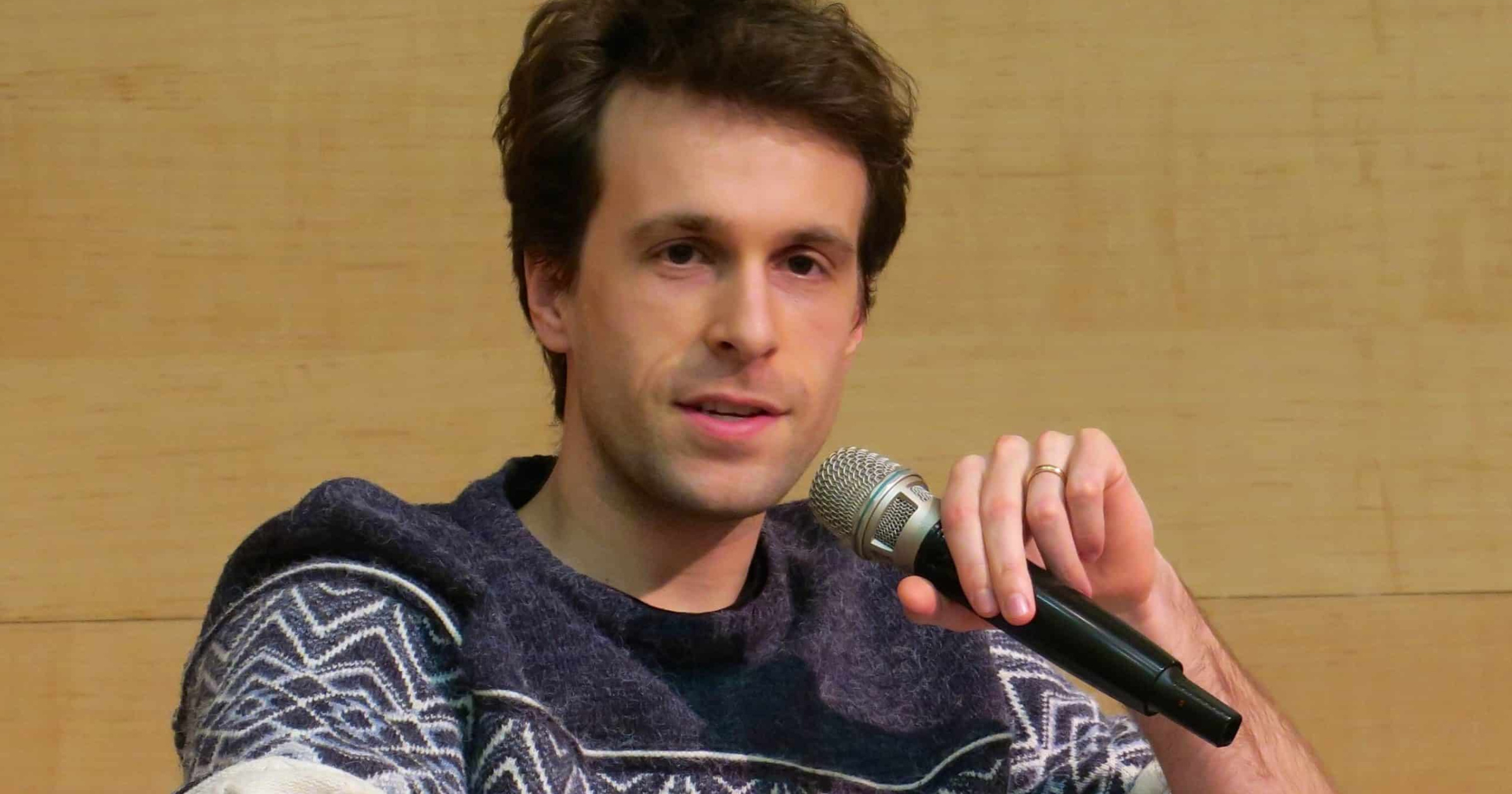
Ethereum Foundation researcher Justin Drake urges crypto to prepare ‘bunker mode’ for AI threats
Drake recommends a gradual move to fresh addresses while warning that AI could accelerate attacks on existing signatures.
Ethereum (ETH) price
Full chart and statsLoading chart…
- Price
- $2,351
- 24h change
- +2.0%
- Market cap
- $287.3B
- 24h volume
- $9.6B
- Circulating supply
- 122.2M ETH
CoinGecko data as of Oct 28, 2:28 AM EDT.
Ethereum researcher Justin Drake called on the blockchain industry to prepare for “bunker mode,” recommending a controlled migration of assets to fresh addresses amid concerns that AI could accelerate breakthroughs in cryptography.
Today I call upon the blockchain industry to calmly begin planning for "bunker mode". My personal recommendation is to set in motion a controlled mass migration of assets to fresh addresses, i.e. addresses whose pubkeys remain hidden behind a hash.
Holders, starting with large…
— Justin Drake (@drakefjustin) October 7, 2026
In a statement, Drake urged large and sophisticated holders to consider moving funds to addresses whose public keys remain hidden behind a hash. He recommended using addresses that have never signed a transaction and moving remaining funds again after signing.
Drake emphasized that any migration should happen gradually. He warned that rushing could cause more harm than good and described the proposal as a preventative measure.
The warning centers on ECDSA, a digital signature scheme used to authorize transactions across major blockchain networks. Drake argued that it was reasonable to prepare for the possibility of practical attacks before sufficiently powerful quantum computers emerge.
In his worst case scenario, such a breakthrough could arrive within months. He defined a break as recovering a private key within roughly a week using available hardware, such as a large GPU cluster. The statement did not demonstrate such an attack or establish that ECDSA has been compromised.
The news moving money, markets, and the world—before your day starts.
Daily. Free. Join 34,000+ readers across crypto, finance, and policy.
Drake linked his concerns to OpenAI’s recent release of mathematical results and what he described as a rapid acceleration in AI mathematical capabilities. He suggested that the algebraic structure of elliptic curves could create opportunities for attacks that existing security assumptions do not anticipate.
He also raised the possibility of a classical algorithm with effects comparable to Shor’s quantum algorithm. That remains a hypothetical concern in his statement.
Drake called on institutions to review exposed public keys in cold storage. He also suggested that critical signers, including oracles and layer 2 security councils, consider rotating keys or adding signatures based on hash functions.
For longer term protection, Drake favored hash based cryptography and urged faster implementation of Ethereum’s planned security upgrades. He argued that timelines developed around quantum threats should be reconsidered in light of advances in AI.
His central message was preparation without panic. The proposed bunker mode is a response to a potential future threat, rather than evidence of an existing practical attack on blockchain signatures.
Disclosure: This article was edited by Diego Almada Lopez. For more information on how we create and review content, see our Editorial Policy.

