
Middle East oil tanker threat at highest level since Iran war: analysts

https://www.nbcnews.com/world/iran/live-blog/live-updates-iran-war-oil-ship-attacks-hormuz-trump-israel-lebanon-rcna263101

Middle East oil tanker threat at highest level since Iran war: analysts

Strait of Hormuz traffic normalization

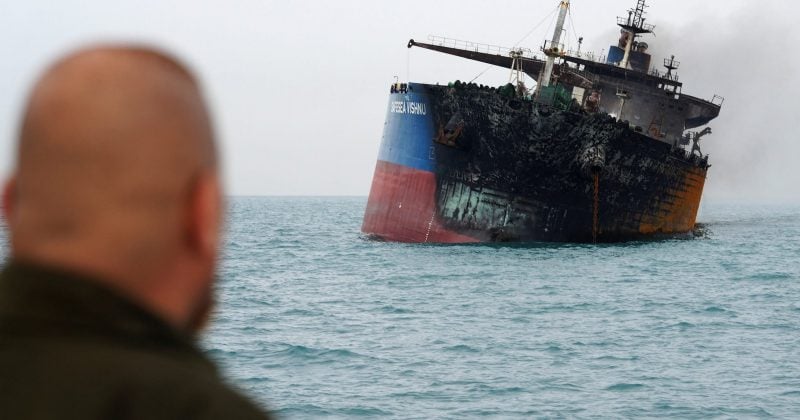
The threat to oil tankers in the Middle East has reportedly reached its most severe level since the onset of the Iran war, according to analysts cited by BBC News. This escalation is linked to the ongoing U.S.-Israeli conflict with Iran, which has increasingly involved maritime attacks on commercial vessels in the Strait of Hormuz and nearby Gulf waters. The Strait of Hormuz, a vital oil transit chokepoint, has seen a significant reduction in shipping traffic as Iranian forces have allegedly threatened or attacked tankers in the region. The heightened risk has led to increased war-risk insurance costs and disruptions in maritime transit, further impacting the already tense situation.

Advertisement

Key Takeaways

  • Market pricing suggests that participants view the current threat level as consistent with a decreased likelihood of normal Strait of Hormuz traffic by August 31.
  • The YES odds for the Strait of Hormuz traffic normalization by August 31 are currently at 12.5%, reflecting a slight increase from 10% in the past 24 hours.
  • Recent developments, including the refusal by Iran to open the Strait of Hormuz, appear to support a scenario where maritime disruptions persist.

What to Watch

Observers should monitor any official communications from Iran, the United States, and other stakeholders regarding potential diplomatic resolutions. Key indicators would include announcements of peace deals or military de-escalations, as these could influence market perceptions of Strait of Hormuz traffic normalization. Additionally, tracking real-time changes in vessel movements and insurance policies may provide further evidence of shifting conditions in the region.

Get live prediction-market analysis, powered by Vera. Sign up for Vera.

Disclosure: This article was edited by Estefano Gomez. For more information on how we create and review content, see our Editorial Policy.
Middle East oil tanker threat at highest level since Iran war: analysts

Strait of Hormuz traffic normalization

https://www.nbcnews.com/world/iran/live-blog/live-updates-iran-war-oil-ship-attacks-hormuz-trump-israel-lebanon-rcna263101

The threat to oil tankers in the Middle East has reportedly reached its most severe level since the onset of the Iran war, according to analysts cited by BBC News. This escalation is linked to the ongoing U.S.-Israeli conflict with Iran, which has increasingly involved maritime attacks on commercial vessels in the Strait of Hormuz and nearby Gulf waters. The Strait of Hormuz, a vital oil transit chokepoint, has seen a significant reduction in shipping traffic as Iranian forces have allegedly threatened or attacked tankers in the region. The heightened risk has led to increased war-risk insurance costs and disruptions in maritime transit, further impacting the already tense situation.

Advertisement

Key Takeaways

  • Market pricing suggests that participants view the current threat level as consistent with a decreased likelihood of normal Strait of Hormuz traffic by August 31.
  • The YES odds for the Strait of Hormuz traffic normalization by August 31 are currently at 12.5%, reflecting a slight increase from 10% in the past 24 hours.
  • Recent developments, including the refusal by Iran to open the Strait of Hormuz, appear to support a scenario where maritime disruptions persist.

What to Watch

Observers should monitor any official communications from Iran, the United States, and other stakeholders regarding potential diplomatic resolutions. Key indicators would include announcements of peace deals or military de-escalations, as these could influence market perceptions of Strait of Hormuz traffic normalization. Additionally, tracking real-time changes in vessel movements and insurance policies may provide further evidence of shifting conditions in the region.

Get live prediction-market analysis, powered by Vera. Sign up for Vera.

Disclosure: This article was edited by Estefano Gomez. For more information on how we create and review content, see our Editorial Policy.