
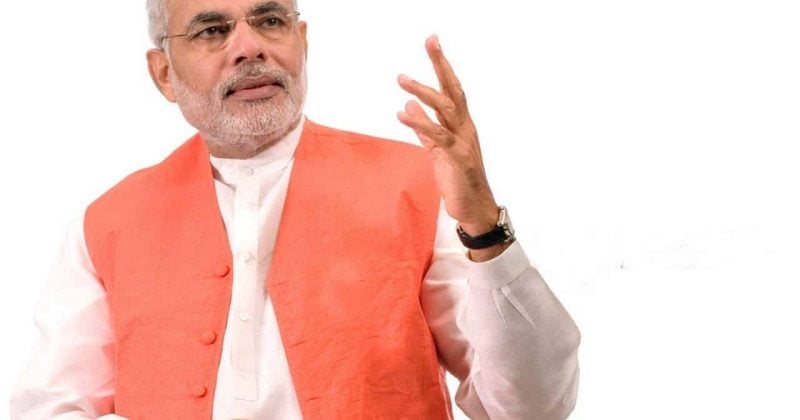
Modi, Pezeshkian discuss navigation freedom amid 2026 Iran War tensions

https://wallpapers.com/narendra-modi

Modi, Pezeshkian discuss navigation freedom amid 2026 Iran War tensions

Countries sending warships through Hormuz by June 30

Prime Minister Narendra Modi spoke with Iranian President Masoud Pezeshkian, focusing on the critical issue of freedom of navigation in the Strait of Hormuz. This development comes amid the ongoing 2026 Iran War, marked by heightened tensions and military confrontations, including US-led efforts to reopen the strait. India is gradually resuming its vessel operations to the Persian Gulf, highlighting its strategic interest in ensuring uninterrupted passage through the strait. The diplomatic exchange underscores India’s stance against Iran’s selective passage regime, which currently favors a few nations, including India itself.

Advertisement

Key Takeaways

  • Modi’s discussion with Pezeshkian appears consistent with efforts to ease tensions, suggesting potential diplomatic progress.
  • The emphasis on navigation freedom suggests a possible decrease in warship deployments, as markets interpret this as favoring non-military solutions.
  • The conversation could indicate a move towards Iran agreeing to unrestricted shipping through the Strait of Hormuz, potentially affecting related market scenarios.

What to Watch

Observers will be monitoring any official statements from Iran or India that may confirm an easing of the current passage regime. Changes in the military presence in the Strait of Hormuz, particularly by European or U.S. forces, could indicate shifts towards diplomatic resolutions. Additionally, updates from international bodies like the IMF or the International Maritime Organization will be crucial in assessing the normalization of traffic in the strait.

Get prediction market intelligence as a structured API feed. Early access waitlist.

Disclosure: This article was edited by Estefano Gomez. For more information on how we create and review content, see our Editorial Policy.

Modi, Pezeshkian discuss navigation freedom amid 2026 Iran War tensions

Modi, Pezeshkian discuss navigation freedom amid 2026 Iran War tensions

Countries sending warships through Hormuz by June 30

https://wallpapers.com/narendra-modi

Prime Minister Narendra Modi spoke with Iranian President Masoud Pezeshkian, focusing on the critical issue of freedom of navigation in the Strait of Hormuz. This development comes amid the ongoing 2026 Iran War, marked by heightened tensions and military confrontations, including US-led efforts to reopen the strait. India is gradually resuming its vessel operations to the Persian Gulf, highlighting its strategic interest in ensuring uninterrupted passage through the strait. The diplomatic exchange underscores India’s stance against Iran’s selective passage regime, which currently favors a few nations, including India itself.

Advertisement

Key Takeaways

  • Modi’s discussion with Pezeshkian appears consistent with efforts to ease tensions, suggesting potential diplomatic progress.
  • The emphasis on navigation freedom suggests a possible decrease in warship deployments, as markets interpret this as favoring non-military solutions.
  • The conversation could indicate a move towards Iran agreeing to unrestricted shipping through the Strait of Hormuz, potentially affecting related market scenarios.

What to Watch

Observers will be monitoring any official statements from Iran or India that may confirm an easing of the current passage regime. Changes in the military presence in the Strait of Hormuz, particularly by European or U.S. forces, could indicate shifts towards diplomatic resolutions. Additionally, updates from international bodies like the IMF or the International Maritime Organization will be crucial in assessing the normalization of traffic in the strait.

Get prediction market intelligence as a structured API feed. Early access waitlist.

Disclosure: This article was edited by Estefano Gomez. For more information on how we create and review content, see our Editorial Policy.