
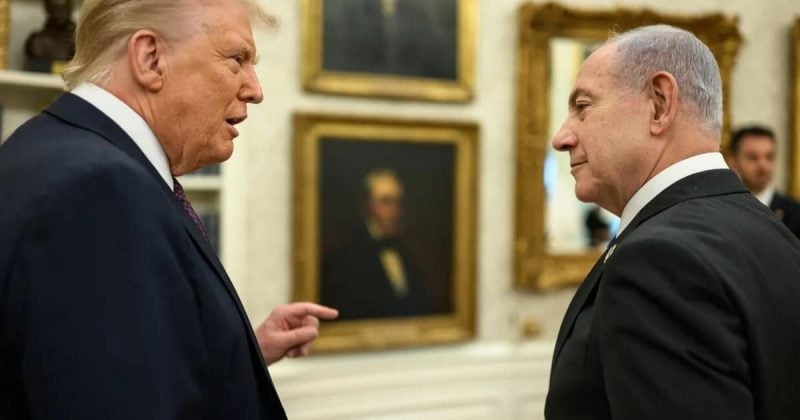
Netanyahu rejects calls to withdraw Israeli forces from southern Lebanon

https://www.whitehouse.gov/gallery/president-donald-trump-and-israeli-prime-minister-benjamin-netanyahu-hold-a-joint-press-conference-announcing-the-u-s-peace-plan-for-gaza/

Netanyahu rejects calls to withdraw Israeli forces from southern Lebanon

Israel-Hezbollah permanent peace deal

Israeli Prime Minister Benjamin Netanyahu has firmly rejected international and regional pressure to withdraw Israeli forces from southern Lebanon, emphasizing that the military presence is necessary to restore security. This comes amid calls from Iran for Israel to pull back as part of broader peace negotiations. Netanyahu’s stance highlights Israel’s commitment to maintaining its security zone, a move that appears to complicate potential peace agreements involving Hezbollah and Iran. The situation continues to be tense, with ongoing cross-border hostilities despite a fragile ceasefire agreement.

Advertisement

Key Takeaways

  • Netanyahu’s firm position appears to indicate a reduced likelihood of a peace deal with Hezbollah, as it suggests continued Israeli military operations in Lebanon.
  • Market pricing suggests a decreased probability of a permanent peace agreement between Israel and Hezbollah by July 31, 2026, with current odds reflecting a 6.5% YES.
  • Netanyahu’s stance may indicate increased support from right-wing voters, suggesting a slight increase in his chances of remaining Prime Minister in the upcoming election.

What to Watch

Observers will be closely monitoring any changes in the military dynamics on the ground, particularly any escalation in cross-border activities. The responses from key regional players like Iran and Hezbollah, as well as international diplomatic efforts, will be crucial in assessing the potential for renewed peace talks. Developments that ease tensions could suggest a shift towards possible negotiations, while continued hostilities would likely reinforce the current pricing trends in prediction markets.

Get prediction market intelligence as a structured API feed. Early access waitlist.

Disclosure: This article was edited by Estefano Gomez. For more information on how we create and review content, see our Editorial Policy.

Netanyahu rejects calls to withdraw Israeli forces from southern Lebanon

Netanyahu rejects calls to withdraw Israeli forces from southern Lebanon

Israel-Hezbollah permanent peace deal

https://www.whitehouse.gov/gallery/president-donald-trump-and-israeli-prime-minister-benjamin-netanyahu-hold-a-joint-press-conference-announcing-the-u-s-peace-plan-for-gaza/

Israeli Prime Minister Benjamin Netanyahu has firmly rejected international and regional pressure to withdraw Israeli forces from southern Lebanon, emphasizing that the military presence is necessary to restore security. This comes amid calls from Iran for Israel to pull back as part of broader peace negotiations. Netanyahu’s stance highlights Israel’s commitment to maintaining its security zone, a move that appears to complicate potential peace agreements involving Hezbollah and Iran. The situation continues to be tense, with ongoing cross-border hostilities despite a fragile ceasefire agreement.

Advertisement

Key Takeaways

  • Netanyahu’s firm position appears to indicate a reduced likelihood of a peace deal with Hezbollah, as it suggests continued Israeli military operations in Lebanon.
  • Market pricing suggests a decreased probability of a permanent peace agreement between Israel and Hezbollah by July 31, 2026, with current odds reflecting a 6.5% YES.
  • Netanyahu’s stance may indicate increased support from right-wing voters, suggesting a slight increase in his chances of remaining Prime Minister in the upcoming election.

What to Watch

Observers will be closely monitoring any changes in the military dynamics on the ground, particularly any escalation in cross-border activities. The responses from key regional players like Iran and Hezbollah, as well as international diplomatic efforts, will be crucial in assessing the potential for renewed peace talks. Developments that ease tensions could suggest a shift towards possible negotiations, while continued hostilities would likely reinforce the current pricing trends in prediction markets.

Get prediction market intelligence as a structured API feed. Early access waitlist.

Disclosure: This article was edited by Estefano Gomez. For more information on how we create and review content, see our Editorial Policy.