
New Zealand Defence Forces conduct naval transit through Taiwan Strait

New Zealand Defence Forces conduct naval transit through Taiwan Strait

Two warships sailed north to south through one of the world's most contested waterways, drawing Chinese military tracking for the third time in roughly a year

New Zealand sent two naval vessels through the Taiwan Strait on September 18, marking the country’s third such transit in about twelve months.

The frigate HMNZS Te Mana and the replenishment oiler HMNZS Aotearoa made the passage from north to south, with China’s People’s Liberation Army tracking and monitoring both ships throughout. The PLA claimed it maintained full control of the situation.

Advertisement

A familiar route for the Aotearoa

This wasn’t the Aotearoa’s first rodeo. The 26,000-tonne Polar-class oiler has now transited the Taiwan Strait three times since roughly September 2025, with the most recent prior passage occurring on November 5, 2025.

That November transit was particularly eventful. Seven Chinese PLA Navy warships shadowed the Aotearoa during that crossing. The vessel also encountered Taiwan’s ROCS Cheng Kung, a guided-missile frigate, during the same passage.

Freedom of navigation vs. Beijing’s red lines

New Zealand’s government has consistently framed these transits as routine exercises in international maritime rights. Defence Minister Judith Collins has stated that the operations are conducted safely and in alignment with international best practices, citing the United Nations Convention on the Law of the Sea as the legal foundation.

UNCLOS is the 1982 treaty that establishes that straits used for international navigation allow ships, including military vessels, the right of transit passage.

Why the strait matters beyond geopolitics

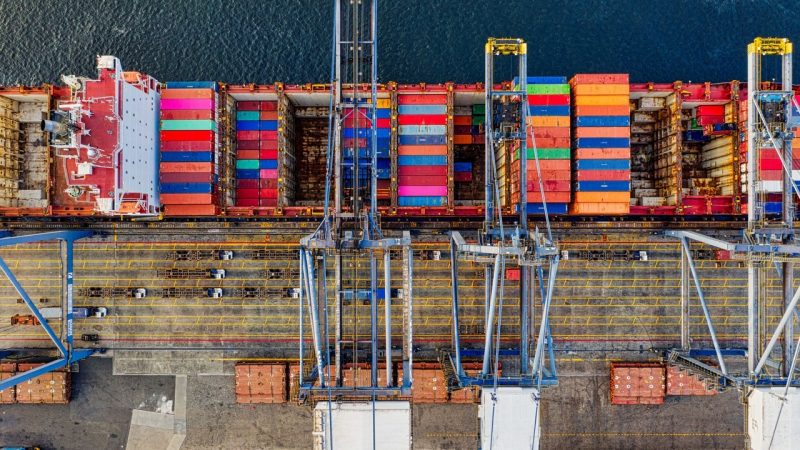
The Taiwan Strait handles roughly half of the world’s container traffic. The recent New Zealand transit did not yield any immediate financial market implications, though maritime risk assessors note that any increased naval activities or escalations in tensions could impact shipping routes and insurance costs for maritime operations worldwide.

Disclosure: This article was edited by Editorial Team. For more information on how we create and review content, see our Editorial Policy.
New Zealand Defence Forces conduct naval transit through Taiwan Strait

Two warships sailed north to south through one of the world's most contested waterways, drawing Chinese military tracking for the third time in roughly a year

New Zealand sent two naval vessels through the Taiwan Strait on September 18, marking the country’s third such transit in about twelve months.

The frigate HMNZS Te Mana and the replenishment oiler HMNZS Aotearoa made the passage from north to south, with China’s People’s Liberation Army tracking and monitoring both ships throughout. The PLA claimed it maintained full control of the situation.

Advertisement

A familiar route for the Aotearoa

This wasn’t the Aotearoa’s first rodeo. The 26,000-tonne Polar-class oiler has now transited the Taiwan Strait three times since roughly September 2025, with the most recent prior passage occurring on November 5, 2025.

That November transit was particularly eventful. Seven Chinese PLA Navy warships shadowed the Aotearoa during that crossing. The vessel also encountered Taiwan’s ROCS Cheng Kung, a guided-missile frigate, during the same passage.

Freedom of navigation vs. Beijing’s red lines

New Zealand’s government has consistently framed these transits as routine exercises in international maritime rights. Defence Minister Judith Collins has stated that the operations are conducted safely and in alignment with international best practices, citing the United Nations Convention on the Law of the Sea as the legal foundation.

UNCLOS is the 1982 treaty that establishes that straits used for international navigation allow ships, including military vessels, the right of transit passage.

Why the strait matters beyond geopolitics

The Taiwan Strait handles roughly half of the world’s container traffic. The recent New Zealand transit did not yield any immediate financial market implications, though maritime risk assessors note that any increased naval activities or escalations in tensions could impact shipping routes and insurance costs for maritime operations worldwide.

Disclosure: This article was edited by Editorial Team. For more information on how we create and review content, see our Editorial Policy.