
Nokia and Nvidia want to turn telecom networks into distributed AI platforms

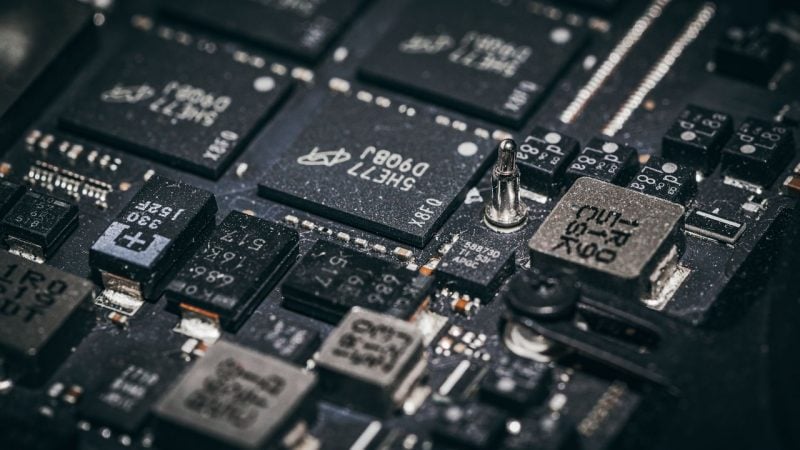
Photo: Jakub Pabis / Pexels

Nokia and Nvidia want to turn telecom networks into distributed AI platforms

The partners are working with telecom operators to embed AI directly into radio access networks, with commercial deployments anticipated in 2027

Nokia and Nvidia are teaming up with telecom operators on an ambitious goal: turning the networks that carry your calls and data into distributed AI platforms.

What Nokia and Nvidia are building

The partnership pairs Nvidia’s computing stack with Nokia’s radio software. On Nvidia’s side, that means its CUDA platform and its Aerial RAN Computer, known as ARC. On Nokia’s side, it means anyRAN, the company’s software for radio access networks.

The target is what the industry calls AI-native RAN, or AI-RAN. The idea is to build artificial intelligence directly into signal processing, rather than bolting it on afterward. If it works, operators could squeeze more performance out of the same airwaves.

The companies also frame AI-RAN as groundwork for future 6G networks. It is also meant to deliver meaningful improvements to current 5G operations in the meantime.

Advertisement

The numbers behind the pitch

The early performance data comes from the lab. AI-enhanced channel estimation has delivered uplink throughput gains of 10-15% in testing.

The roadmap is considerably more aggressive than the lab results. The partners are targeting a 50% increase in spectrum efficiency by 2027. They are aiming to more than double it, a 100% gain, by 2028.

There has already been at least one real-world proof point. On October 21, 2026, T-Mobile completed the first live AI-RAN call at a commercial cell site in Bellevue, Washington. The call ran on Nokia’s Massive MIMO radios and Nvidia ARC servers.

The operator lineup

Nearly 20 telecom operators are working on AI-RAN using Nokia’s anyRAN running on Nvidia ARC. The group includes BT, Deutsche Telekom and SoftBank.

Those operators are preparing for pilots and trials. Full commercial deployments are anticipated to begin in 2027.

Nokia also plans to launch a sovereign agentic AI platform, along with new Aerial RAN Computer configurations. The company is additionally set to expand its networking ecosystem, broadening the potential for AI applications at the cell site and the network edge.

How this partnership started

The alliance dates to October 28, 2025. That is when Nvidia made a $1 billion equity investment in Nokia, taking a 2.9% stake in the Finnish company.

Disclosure: This article was edited by Diego Almada Lopez. For more information on how we create and review content, see our Editorial Policy.
Nokia and Nvidia want to turn telecom networks into distributed AI platforms

The partners are working with telecom operators to embed AI directly into radio access networks, with commercial deployments anticipated in 2027

Photo: Jakub Pabis / Pexels

Nokia and Nvidia are teaming up with telecom operators on an ambitious goal: turning the networks that carry your calls and data into distributed AI platforms.

What Nokia and Nvidia are building

The partnership pairs Nvidia’s computing stack with Nokia’s radio software. On Nvidia’s side, that means its CUDA platform and its Aerial RAN Computer, known as ARC. On Nokia’s side, it means anyRAN, the company’s software for radio access networks.

The target is what the industry calls AI-native RAN, or AI-RAN. The idea is to build artificial intelligence directly into signal processing, rather than bolting it on afterward. If it works, operators could squeeze more performance out of the same airwaves.

The companies also frame AI-RAN as groundwork for future 6G networks. It is also meant to deliver meaningful improvements to current 5G operations in the meantime.

Advertisement

The numbers behind the pitch

The early performance data comes from the lab. AI-enhanced channel estimation has delivered uplink throughput gains of 10-15% in testing.

The roadmap is considerably more aggressive than the lab results. The partners are targeting a 50% increase in spectrum efficiency by 2027. They are aiming to more than double it, a 100% gain, by 2028.

There has already been at least one real-world proof point. On October 21, 2026, T-Mobile completed the first live AI-RAN call at a commercial cell site in Bellevue, Washington. The call ran on Nokia’s Massive MIMO radios and Nvidia ARC servers.

The operator lineup

Nearly 20 telecom operators are working on AI-RAN using Nokia’s anyRAN running on Nvidia ARC. The group includes BT, Deutsche Telekom and SoftBank.

Those operators are preparing for pilots and trials. Full commercial deployments are anticipated to begin in 2027.

Nokia also plans to launch a sovereign agentic AI platform, along with new Aerial RAN Computer configurations. The company is additionally set to expand its networking ecosystem, broadening the potential for AI applications at the cell site and the network edge.

How this partnership started

The alliance dates to October 28, 2025. That is when Nvidia made a $1 billion equity investment in Nokia, taking a 2.9% stake in the Finnish company.

Disclosure: This article was edited by Diego Almada Lopez. For more information on how we create and review content, see our Editorial Policy.