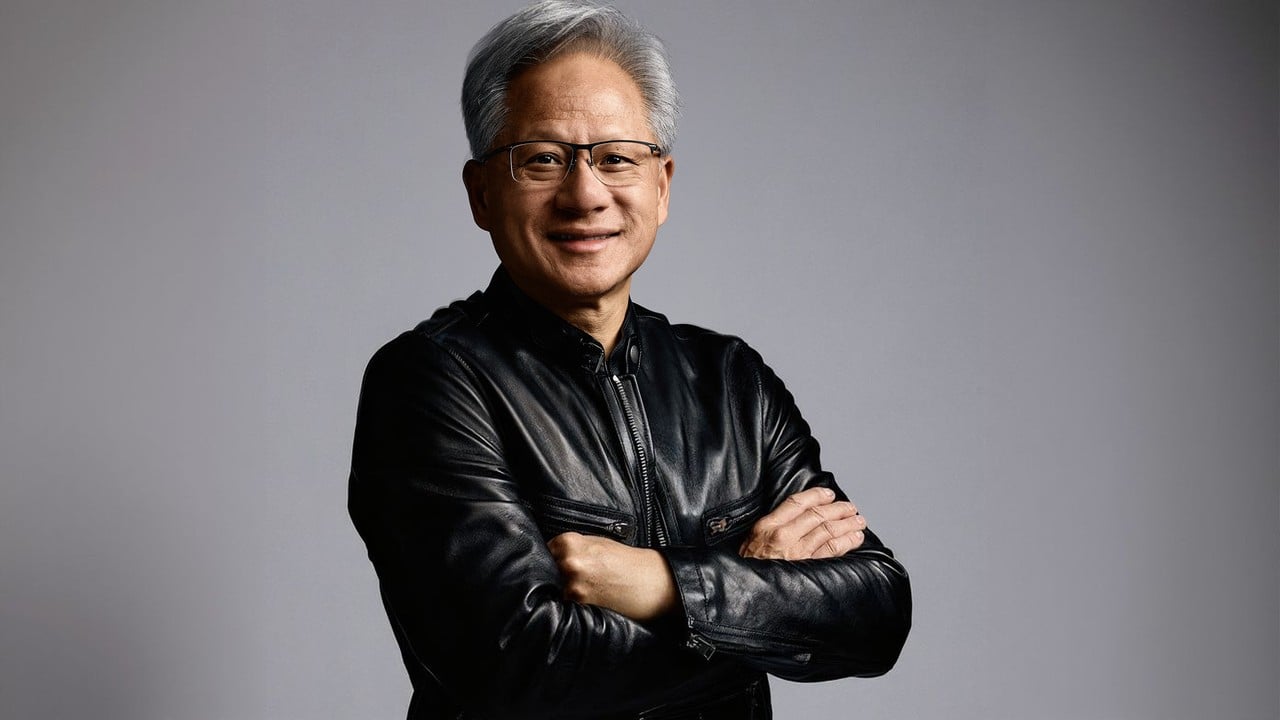
Nvidia board not considering Jensen Huang’s return as CEO, FT reports
NVIDIA official newsroom (nvidianews.nvidia.com/bios/jensen-huang)
The chipmaker continues its search for a new chief executive despite support for Huang's reinstatement from President Donald Trump and Silicon Valley executives.
Nvidia’s board is not considering reinstating Jensen Huang as chief executive, despite growing support for his return from Silicon Valley executives and President Donald Trump, according to a Monday Financial Times report citing people familiar with the matter.
Huang resigned last week following revelations of an extramarital affair with Alice Huang, an executive at a Singapore based company linked to China. US intelligence officials reportedly suspect she was recruited by Chinese intelligence, although the allegation remains unproven.
The chipmaker’s board is conducting an independent investigation into Huang’s conduct while considering internal and external candidates to replace him. The Financial Times previously reported that Nvidia approached Arm CEO Rene Haas as a potential successor.
The decision comes after Huang reportedly discussed a potential comeback with confidants, while several prominent technology executives, including Elon Musk, backed a public campaign calling for his reinstatement.
Trump also expressed support for Huang’s return on Monday, saying he “wouldn’t mind” if the former CEO returned to lead Nvidia.
The crypto and markets news you actually need—every morning.
Daily. Free. Join 34,000+ readers across crypto, finance, and policy.
“I think having Jensen go back . . . that certainly isn’t a bad idea,” Trump told reporters, while questioning allegations that Huang’s relationship had compromised US national security.
The controversy has also intensified scrutiny of Nvidia’s chip exports to companies linked to China, exposing disagreements within the Trump administration over restrictions on advanced AI technology.
On Sunday, the US Commerce Department announced new licensing requirements for advanced semiconductor exports to Singapore, Brazil, Thailand, Malaysia and Indonesia, aimed at preventing Chinese companies from accessing restricted US technology through overseas data centers.
The restrictions could affect cloud infrastructure providers serving Chinese customers, including companies that rely on Nvidia GPUs for AI computing.
Disclosure: This article was edited by Diego Almada Lopez. For more information on how we create and review content, see our Editorial Policy.

