Nvidia faces scrutiny over chip smuggling allegations tied to Megaspeed
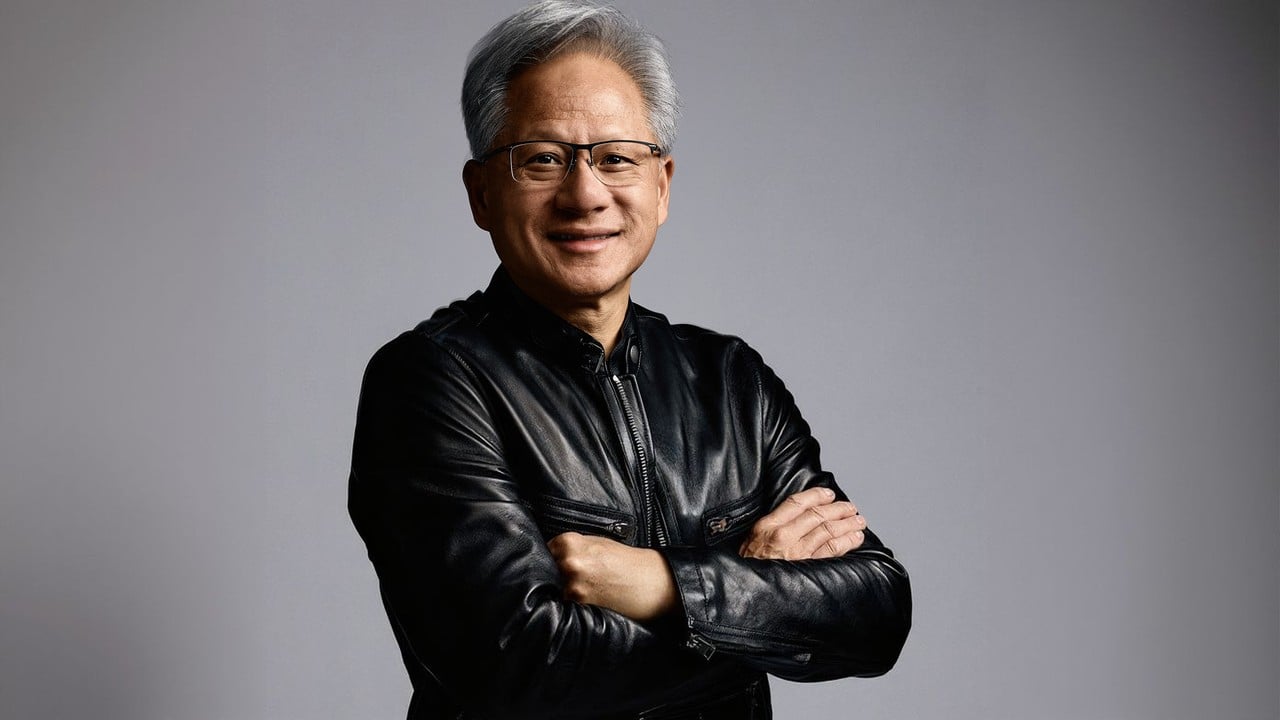
NVIDIA official newsroom (nvidianews.nvidia.com/bios/jensen-huang)
Investigators want to know what Nvidia knew about where its GPUs ended up, and whether a reported personal relationship clouded its judgment
Nvidia has a leadership story and a compliance story, and they have become hard to separate. The chipmaker is still facing multiple inquiries into allegations that a Singapore-based customer, Megaspeed, smuggled its advanced GPUs into China in breach of US export rules.
Jensen Huang is back in the CEO chair, according to TechCrunch. His return has not made the questions go away. If anything, it keeps them pointed squarely at the top.
The questions investigators are asking
The core issue is simple to state and hard to answer: what did Nvidia know about the final destination of the chips it sold to Megaspeed?
TechCrunch reports that investigators are weighing whether Huang’s affair with a Megaspeed executive gave Nvidia reason to doubt the customer’s assurances about where the chips were going.
That executive, per research findings on the case, is Alice Huang, a former Megaspeed executive. She has been named in US intelligence allegations as potentially acting as a Chinese intelligence asset. Those are allegations, not findings, and Megaspeed maintains it has complied with export laws.
How big Megaspeed got
Megaspeed is not a minor account. The company has reported buying between $4 billion and $4.8 billion worth of Nvidia technology from 2023 to 2025.
That spending made it a significant Nvidia partner in Southeast Asia. Megaspeed runs data centers in Singapore, Malaysia, and Thailand, and its client roster includes Alibaba.
The company’s path to that position is part of what drew attention. Megaspeed emerged from the background of a Chinese gaming firm before becoming a major cloud computing operator and Nvidia customer.
The crypto and markets news you actually need—every morning.
Daily. Free. Join 34,000+ readers across crypto, finance, and policy.
The numbers that matter most to investigators may be the ones that do not add up. A mid-2025 investigation reportedly found a discrepancy of approximately 50,000 chips in Megaspeed’s inventory counts.
The timeline so far
The US Commerce Department opened its investigation into Megaspeed in 2024, after suspicions surfaced that export controls may have been violated and advanced Nvidia GPUs diverted to China.
Research findings indicate Jensen Huang resigned as Nvidia CEO in November 2026, following the revelation of his reported relationship with Alice Huang, amid an internal investigation and public scrutiny. TechCrunch now describes him as having returned to the role.
In late November 2026, US authorities added Megaspeed and its regional subsidiaries to the Entity List. That designation means any future exports to the company require a license, and such licenses are likely to be denied.
A broader crackdown
Actions against semiconductor smuggling to China have reached new highs under the Trump administration, according to the research findings.
Southeast Asia has become a focal point because it combines fast-growing data center capacity with proximity and commercial ties to China.
What this means for Nvidia and the chip sector
For investors, the most direct consequence is lost business. Megaspeed’s Entity List designation effectively removes a customer that reportedly spent between $4 billion and $4.8 billion on Nvidia technology over roughly two years.
The Huang angle adds governance pressure on top of regulatory pressure. A CEO’s personal conduct becoming relevant to an export control inquiry is the kind of overlap boards dread. His return to the top job means any adverse findings will land directly on current leadership rather than a departed executive.
What to watch next: whether the Commerce Department’s inquiry produces formal findings against Nvidia itself, whether additional Southeast Asian operators face Entity List designations, and how Nvidia adjusts its distributor vetting.
Disclosure: This article was edited by John Chen. For more information on how we create and review content, see our Editorial Policy.

