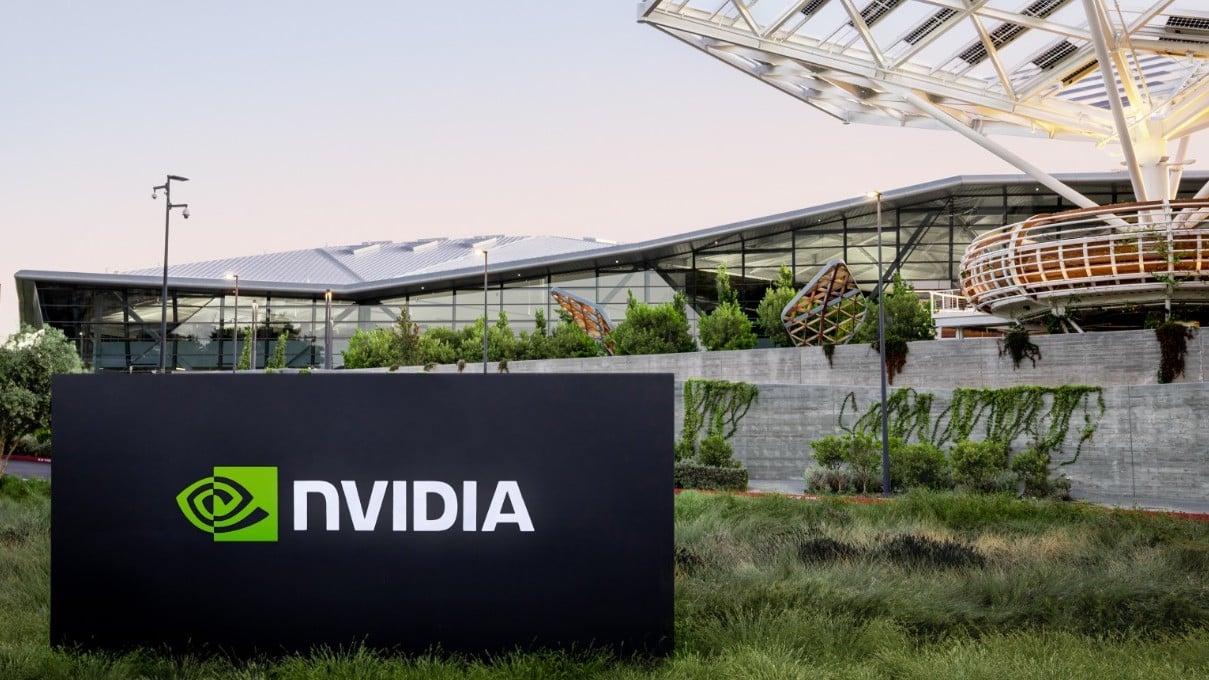
Nvidia shares sit about 37% below their peak after record quarter under an interim CEO
Revenue more than doubled to $115.8 billion, but Jensen Huang's exit and ongoing investigations have investors focused on risk instead of growth
Nvidia just posted a quarter most companies would frame and hang in the lobby. Revenue more than doubled, and guidance went up.
The stock still fell. Shares closed at roughly $151 on November 18, about 37% below the record of nearly $239 set on October 6. That is a long way to fall in six weeks.
“We’ve got this.”
That was Colette Kress, Nvidia’s interim CEO, closing the chipmaker’s third-quarter earnings call on Tuesday night. Investors seem to want more evidence than a pep talk before they agree.
The numbers were not the problem
Start with the results, because on paper they are enormous. Nvidia reported fiscal third-quarter 2027 revenue of $115.8 billion, up 103% from the same period a year earlier.
The data center business did most of the heavy lifting. That segment brought in $107.6 billion, a 110% year-over-year jump. Put simply, the company’s AI hardware business is now nearly the entire company.
The forward view was strong too. Nvidia guided fourth-quarter revenue to $130 billion, plus or minus 3%.
It also refreshed its outlook for fiscal 2028, calling for revenue growth of approximately 75%. Demand signals included rising shipments of the Vera Rubin platform, Nvidia’s next-generation system.
Kress ran the call and leaned on customer retention as a theme. The message was continuity: the buyers are still here, and the orders keep coming.
The market heard it and sold anyway. Shares slipped about 2.9% in the November 18 session, extending a slide that began well before the report.
The news moving money, markets, and the world—before your day starts.
Daily. Free. Join 34,000+ readers across crypto, finance, and policy.
A leadership vacuum at the worst possible altitude
The reason for the selloff has little to do with spreadsheets. Jensen Huang, the founder who became the public face of the AI boom, resigned as CEO effective November 12.
His departure followed allegations of extramarital affairs involving a Chinese businesswoman. That person is reportedly connected to an investigation tied to Chinese intelligence.
The board has said Huang will not be reinstated. Kress, who is also Nvidia’s CFO, is serving as interim chief while the company searches for a permanent leader.
The board moved fast in other ways too. It formed a national security oversight committee, a step that signals how seriously directors are treating the situation.
Layered on top of the executive shakeup are open questions about compliance. Nvidia faces ongoing scrutiny of its export control practices and its chip shipments to China. A potential SEC review is also in the mix.
Why investors are paying less for more
The odd split in the reaction tells the story. Near-term earnings estimates have been revised upward following the report. Price targets, at the same time, have moved down.
That combination means the market believes Nvidia will make more money soon. It is simply less willing to pay a premium for those profits.
China is the sharpest edge here. Tighter US export controls and geopolitical tension over technology transfers were already a live risk for AI chipmakers. Investigations into Nvidia’s own shipments to China turn a sector-wide worry into a company-specific one.
What to watch from here
The CEO search is the obvious first marker. A permanent appointment, and who it is, will shape whether investors see the transition as a reset or a prolonged period of drift.
The regulatory track is the second marker. Any findings from the export control scrutiny, or any formal step on the potential SEC review, could move the stock more than the next earnings beat.
The third marker is whether the operating momentum holds. Hitting the $130 billion fourth-quarter target, within its 3% band, would show the business is running smoothly regardless of who sits in the corner office.
Continued Vera Rubin shipments would reinforce that point. Execution is the one lever Kress and the existing team fully control right now.
Kress says the company has things under control. With shares about 37% off their high, the market is waiting to see a permanent CEO and a resolution to the investigations before it fully agrees.
Disclosure: This article was edited by Vivian Nguyen. For more information on how we create and review content, see our Editorial Policy.

