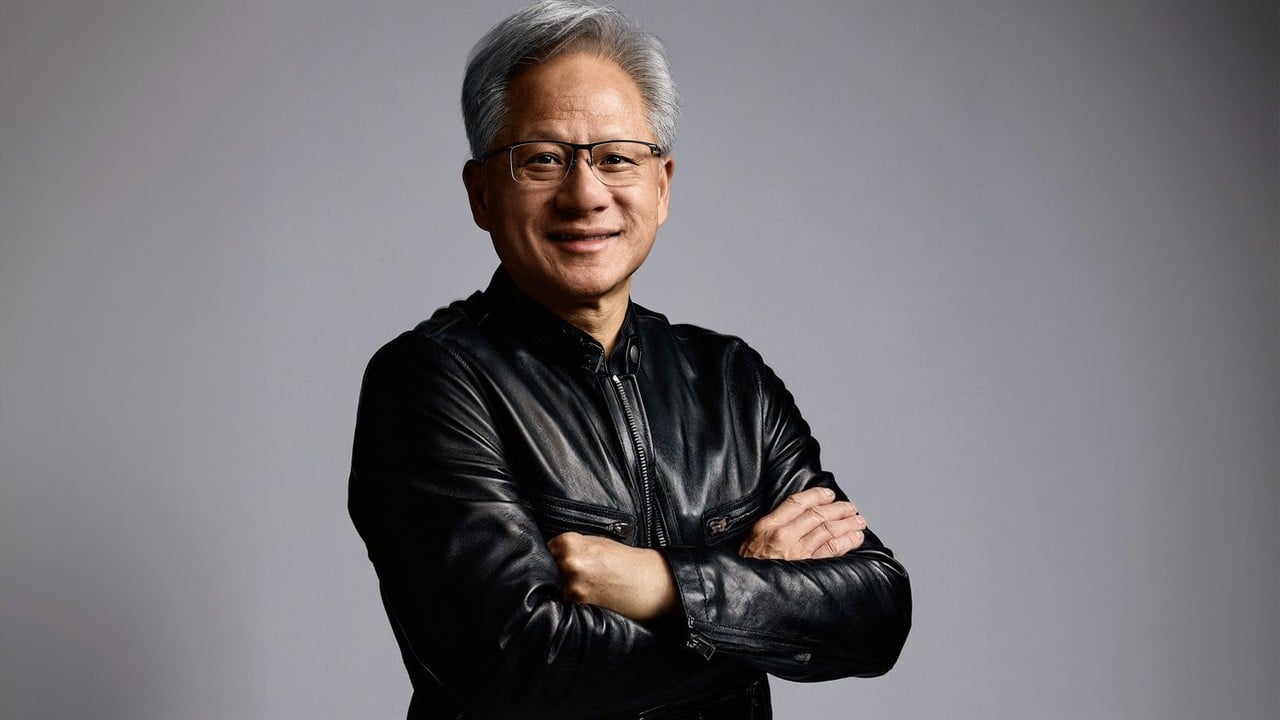
Nvidia leadership crisis puts Gulf AI ambitions on uncertain footing
NVIDIA official newsroom (nvidianews.nvidia.com/bios/jensen-huang)
Jensen Huang's exit and a board investigation leave Stargate UAE and Saudi Arabia's Humain watching their chip pipeline nervously
Nvidia lost its CEO in a matter of days. The Gulf states that built their AI strategies around Nvidia hardware may be the ones left holding the bill.
Jensen Huang resigned as chief executive and board member after disclosing an extramarital affair on November 8, 2026. The disclosure arrived alongside reports that US intelligence viewed one of his partners, an executive at Singapore-based Megaspeed, as a potential Chinese intelligence asset.
For most observers, this is a corporate scandal with a spy-novel twist. For the UAE and Saudi Arabia, it is a supply chain problem.
How a personal disclosure became a governance crisis
Nvidia’s board moved quickly. On the same day Huang made his disclosure, directors opened an independent investigation into his conduct.
The central question is whether the relationship could have put company secrets or US national security interests at risk.
Huang stepped down from both the CEO role and the board shortly after. Chief financial officer Colette Kress was named interim CEO on November 12-13, 2026.
Megaspeed adds another layer of concern. The company bought $4.8 billion worth of Nvidia chips over two years, and that volume has prompted worries about possible diversion of the hardware to China.
No finding of diversion appears in the reporting so far.
AI, tech, and the markets they move—in one daily briefing.
Daily. Free. Join 34,000+ readers across crypto, finance, and policy.
Markets reacted the way markets do. Nvidia shares reportedly fell more than 10% in early trading after the news broke, with losses reaching nearly 30% as scrutiny intensified.
Why the Gulf is exposed
Gulf nations have spent recent years positioning themselves as AI powers. Their plans lean heavily on Nvidia’s chips, which require US licensing to export.
Two projects illustrate the stakes. G42’s Stargate UAE project calls for a 1-gigawatt AI cluster. Saudi Arabia’s Humain is targeting AI infrastructure of up to 500 megawatts.
According to the research findings, Gulf clients are worried about two specific things: delays in delivery timelines and changes to batch sizes for critical semiconductor shipments.
What this means for Nvidia, its customers and its regulators
The most immediate risk for Gulf buyers is not Nvidia changing its mind about selling to them. It is Washington changing the rules around how chips get sold at all.
A scandal involving a suspected Chinese intelligence link and a large buyer facing diversion concerns gives export control hawks fresh material.
Consider the timing pressure. A 1-gigawatt cluster and an up-to-500-megawatt build are planned around delivery schedules.
The outcome of that board review matters a great deal. A finding that no secrets or security interests were compromised could help steady the ship.
The share price drop shows how sensitive the market has become to governance issues at a company this central to the AI buildout.
For the Gulf, the episode exposes the cost of concentration. Building national AI infrastructure on one company’s hardware delivers access to the best chips available, but it also means inheriting that company’s risks, including ones that start in a CEO’s personal life.
Disclosure: This article was edited by Diego Almada Lopez. For more information on how we create and review content, see our Editorial Policy.

