
Nexo Earn with Nexo
Parker files for Chapter 7 bankruptcy amid shutdown reports

Parker files for Chapter 7 bankruptcy amid shutdown reports

The Y Combinator-backed fintech startup claimed over $200 million in funding before opting for full liquidation.

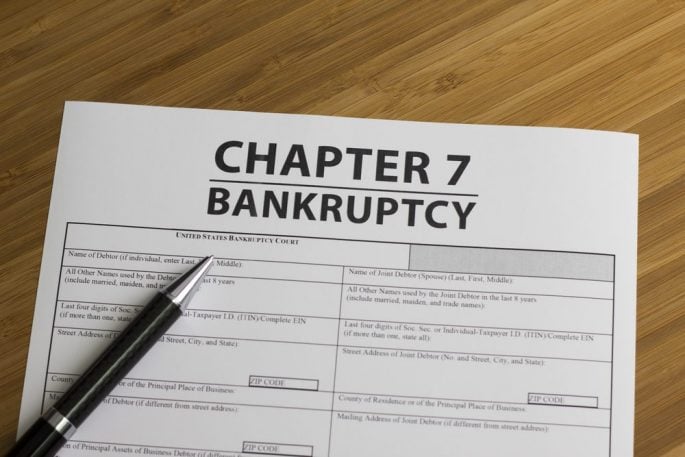
Parker, the corporate credit card and banking startup that emerged from Y Combinator’s Winter 2019 batch, filed for Chapter 7 bankruptcy on May 7, 2026. The company is widely reported to have shut down entirely.

Chapter 7 is the nuclear option of bankruptcy filings. Unlike Chapter 11, which lets companies restructure and attempt a comeback, Chapter 7 means liquidation: sell everything, pay creditors what you can, close the doors. For a company that claimed to have raised north of $200 million, that’s a remarkable amount of venture capital evaporating into the ether.

From well-funded to fully liquidated

Parker positioned itself as an alternative banking and credit card provider for businesses, competing in a crowded fintech space that includes players like Brex, Ramp, and Divvy.

The Chapter 7 process will require Parker to produce detailed listings of its creditors, remaining assets, and financial transactions for the bankruptcy court. The timeline for these cases is relatively quick by legal standards, with debt discharge typically occurring within four to six months for eligible filers.

What this means for the fintech landscape

The corporate card and banking space is particularly instructive. Brex famously pivoted away from small businesses to focus on enterprise clients. Ramp has leaned hard into cost-cutting tools and AI features to differentiate.

The Y Combinator pedigree, while valuable for opening doors and attracting early investors, offers no immunity from market realities. But a Chapter 7 liquidation from a company that raised this much is unusual even by the harsh standards of startup mortality rates.

Crypto-adjacent implications worth watching

Parker itself had no meaningful connection to cryptocurrencies or blockchain technology. It was a traditional fintech play, offering conventional banking and credit card services to businesses. There are no digital asset holdings to unwind here, no token to crash, no DeFi protocol to worry about.

Disclosure: This article was edited by Editorial Team. For more information on how we create and review content, see our Editorial Policy.

Parker files for Chapter 7 bankruptcy amid shutdown reports

Parker files for Chapter 7 bankruptcy amid shutdown reports

The Y Combinator-backed fintech startup claimed over $200 million in funding before opting for full liquidation.

Parker, the corporate credit card and banking startup that emerged from Y Combinator’s Winter 2019 batch, filed for Chapter 7 bankruptcy on May 7, 2026. The company is widely reported to have shut down entirely.

Chapter 7 is the nuclear option of bankruptcy filings. Unlike Chapter 11, which lets companies restructure and attempt a comeback, Chapter 7 means liquidation: sell everything, pay creditors what you can, close the doors. For a company that claimed to have raised north of $200 million, that’s a remarkable amount of venture capital evaporating into the ether.

From well-funded to fully liquidated

Parker positioned itself as an alternative banking and credit card provider for businesses, competing in a crowded fintech space that includes players like Brex, Ramp, and Divvy.

The Chapter 7 process will require Parker to produce detailed listings of its creditors, remaining assets, and financial transactions for the bankruptcy court. The timeline for these cases is relatively quick by legal standards, with debt discharge typically occurring within four to six months for eligible filers.

What this means for the fintech landscape

The corporate card and banking space is particularly instructive. Brex famously pivoted away from small businesses to focus on enterprise clients. Ramp has leaned hard into cost-cutting tools and AI features to differentiate.

The Y Combinator pedigree, while valuable for opening doors and attracting early investors, offers no immunity from market realities. But a Chapter 7 liquidation from a company that raised this much is unusual even by the harsh standards of startup mortality rates.

Crypto-adjacent implications worth watching

Parker itself had no meaningful connection to cryptocurrencies or blockchain technology. It was a traditional fintech play, offering conventional banking and credit card services to businesses. There are no digital asset holdings to unwind here, no token to crash, no DeFi protocol to worry about.

Disclosure: This article was edited by Editorial Team. For more information on how we create and review content, see our Editorial Policy.