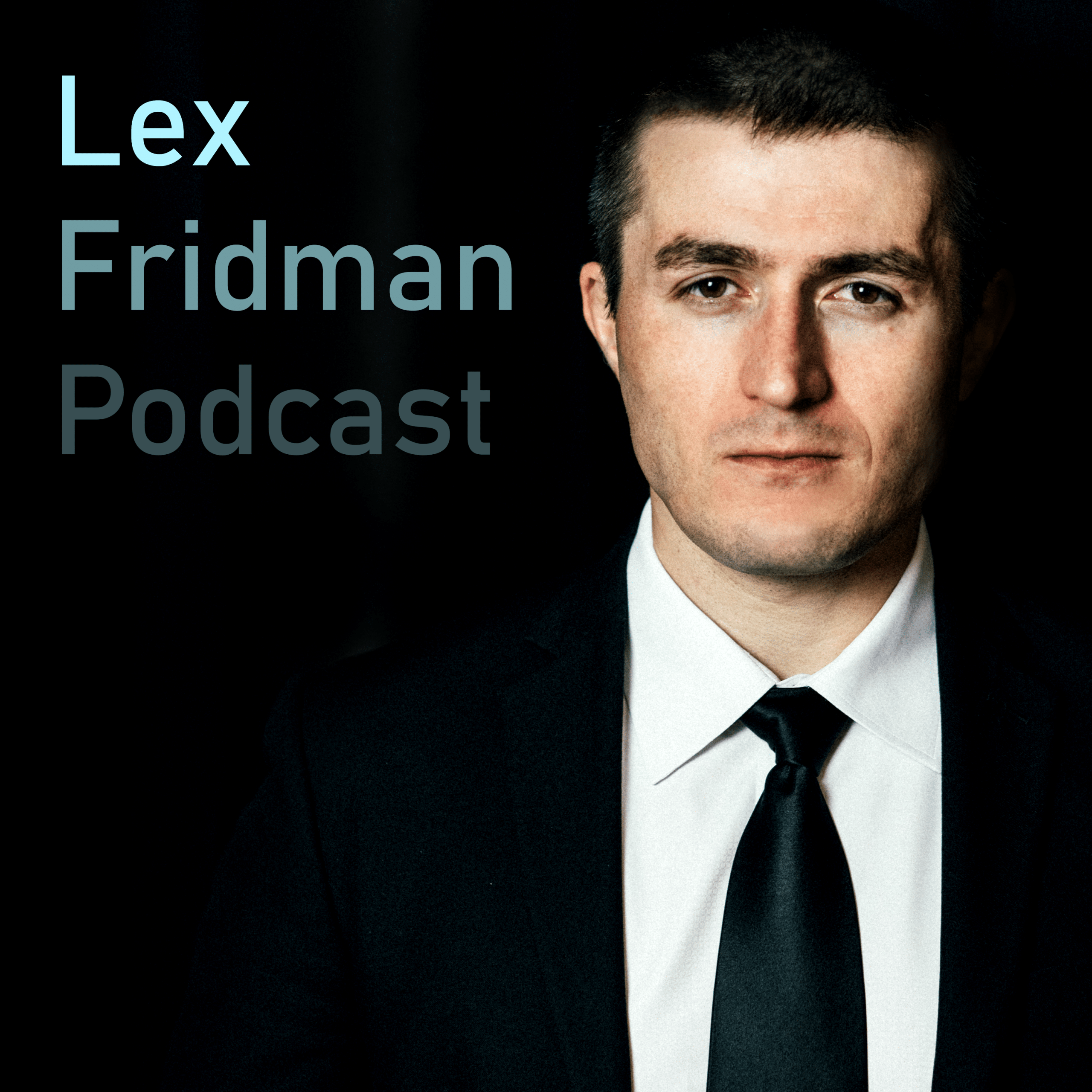
Paul Rosolie: Indigenous tribes possess advanced environmental knowledge, view modern machinery as existential threats, and see significant trees as sacred entities | Lex Fridman Podcast
Indigenous tribes' wisdom and the Amazon's fate are intertwined, highlighting urgent conservation needs.
+12.4% (FY ended 2025-12-31 vs FY ended 2024-12-31) 10-K
Annual net income
77,670,000,000 USD (FY ended 2025-12-31, attributable to the company) 10-K
Annual operating margin
11.2% (FY ended 2025-12-31)
Forward P/E
Unavailable: no dated forecast source
Gloria daily close for session Oct 27, 2026. Market cap and trailing P/E use this close with the SEC share total and trailing diluted earnings, each dated next to its figure. Annual revenue, revenue growth, net income and margin show their own fiscal period and link the 10-K. Current context may postdate this article.
Amazon.com Inc. and its peers
Company
Price
Market cap
P/E (trailing)
Forward P/E
Annual revenue (USD)
Annual revenue growth
Annual net income (USD)
Operating margin
Amazon.com Inc.
AMZN · Price dated Oct 27, 2026 · tokenized AMZNx
21,893,000,000FY ended 2026-01-31, attributable to the company · 10-K
4.2%FY ended 2026-01-31
Missing figures stay unavailable. Forward P/E requires a dated source. Annual revenue, revenue growth, net income and margin come from each company's own 10-K, in US dollars, and each row shows that fiscal year. Revenue growth compares the fiscal year with the prior year stated in the same 10-K. Net income is the full year amount attributable to the company, or available to common stockholders where the filing states only that, or consolidated net income. Each row names its basis. Trailing P/E reads "Not meaningful" when the dated trailing diluted EPS is a loss or zero. An operating margin appears only when the filing states both the operating income and the revenue for the same year.
Sources: SEC filings, Gloria daily closes and CoinGecko. Oldest record refresh: Oct 28, 2026, 3:46 PM EDT. Refresh is not a price or filing date. Each row shows its price date and its annual fiscal period. Peers use industry code and company size, or editorial selection. Market cap multiplies that row price by the company share total the latest SEC filing states for every share class together. Trailing P/E divides it by trailing diluted earnings from SEC filings. Rolled earnings per share are approximate because share counts can change between periods. Both appear only when the SEC data carries its date, so they are estimates at one price date, not synchronized filing valuations. Not investment advice.
Token vs underlying stock
Current comparison for AMZN. Historical observations may postdate this article.
Split-adjusted regular-session stock closes from the existing Gloria shared history, paired only with an observed token price within 45 minutes of 16:00 New York time. Up to 60 matched sessions. No interpolation or missing-date fill. Weekends and known early closes are omitted. Token units are not adjusted for issuer multipliers or dividend treatment. This compares quoted prices, not fair value, executable premiums or arbitrage returns. Solid line: token. Dashed line: stock. Exact quote times and values appear below. Historical observations. Retrieval refers to the token source. Token quote times use UTC. The fixed cohort shows its oldest member fetch.
Amazon token vs Amazon stock: exact source values
Date (UTC)
Token (USD)
Stock close (USD)
Token quote (UTC)
2026-08-04
277.39
277.42
2026-08-04 20:00
2026-08-05
272.84
272.65
2026-08-05 20:00
2026-08-06
272.13
272.26
2026-08-06 20:00
2026-08-07
274.76
274.48
2026-08-07 20:00
2026-08-10
277.96
278.09
2026-08-10 20:00
2026-08-11
272.21
272.27
2026-08-11 20:00
2026-08-12
267.48
267.28
2026-08-12 20:00
2026-08-13
265.07
265.13
2026-08-13 20:00
2026-08-14
262.81
262.65
2026-08-14 20:00
2026-08-17
261.07
261.31
2026-08-17 20:00
2026-08-18
259.40
259.45
2026-08-18 20:00
2026-08-19
265.80
265.84
2026-08-19 20:00
2026-08-20
259.95
260.11
2026-08-20 20:00
2026-08-21
258.73
258.63
2026-08-21 20:00
2026-08-24
262.28
262.07
2026-08-24 20:00
2026-08-25
261.06
261.06
2026-08-25 20:00
2026-08-26
260.32
260.28
2026-08-26 20:00
2026-08-27
256.30
256.26
2026-08-27 20:00
2026-08-28
266.44
266.43
2026-08-28 20:00
2026-08-31
259.63
259.77
2026-08-31 20:00
2026-09-01
254.64
254.92
2026-09-01 20:00
2026-09-02
254.81
254.98
2026-09-02 20:00
2026-09-03
258.83
258.90
2026-09-03 20:00
2026-09-04
258.34
258.51
2026-09-04 20:00
2026-09-08
256.81
256.97
2026-09-08 20:00
2026-09-09
252.24
252.40
2026-09-09 20:00
2026-09-10
251.61
251.89
2026-09-10 20:00
2026-09-11
257.13
256.78
2026-09-11 20:00
2026-09-14
253.68
253.54
2026-09-14 20:00
2026-09-15
248.35
248.42
2026-09-15 20:00
2026-09-16
246.01
245.96
2026-09-16 20:00
2026-09-17
251.35
251.19
2026-09-17 20:00
2026-09-18
253.69
253.71
2026-09-18 20:00
2026-09-21
258.31
258.45
2026-09-21 20:00
2026-09-22
255.06
254.98
2026-09-22 20:00
2026-09-23
249.39
249.27
2026-09-23 20:00
2026-09-24
249.48
249.38
2026-09-24 20:00
2026-09-25
249.71
249.67
2026-09-25 20:00
2026-09-28
246.30
246.15
2026-09-28 20:00
2026-09-29
246.66
246.67
2026-09-29 20:00
2026-09-30
249.53
249.15
2026-09-30 20:00
2026-10-01
248.17
248.23
2026-10-01 20:00
2026-10-02
251.37
251.52
2026-10-02 20:00
2026-10-05
251.43
251.40
2026-10-05 20:00
2026-10-06
256.28
256.29
2026-10-06 20:00
2026-10-07
259.85
259.92
2026-10-07 20:00
2026-10-08
254.31
254.06
2026-10-08 20:00
2026-10-09
262.35
262.43
2026-10-09 20:00
2026-10-12
259.60
259.53
2026-10-12 20:00
2026-10-13
258.72
258.58
2026-10-13 20:00
2026-10-14
253.89
254.08
2026-10-14 20:00
2026-10-15
254.89
254.76
2026-10-15 20:00
2026-10-16
250.16
250.00
2026-10-16 20:00
2026-10-19
262.52
262.45
2026-10-19 20:00
2026-10-20
262.57
262.63
2026-10-20 20:00
2026-10-21
262.57
262.37
2026-10-21 20:00
2026-10-22
250.30
250.38
2026-10-22 20:00
2026-10-23
248.07
248.00
2026-10-23 20:00
2026-10-26
248.95
249.09
2026-10-26 20:00
2026-10-27
253.41
253.10
2026-10-27 20:00
Stock history: Gloria · Retrieved Oct 28, 00:31 UTC. Token history: CoinGecko AMZNx.
Quoted token and share units can have different rights, multipliers and dividend treatment. This is not an executable premium or arbitrage signal.
Key Takeaways
Indigenous tribes in the Amazon possess advanced knowledge of their environment, which remains largely unexplored by outsiders.
These tribes view modern machinery and deforestation as existential threats to their way of life.
The simplicity of life among indigenous tribes includes a lack of basic technologies and an unfamiliarity with natural phenomena like freezing water.
Uncontacted tribes have historically responded violently to outsiders as a means of survival.
The memory of past violent encounters shapes the perception of the outside world among uncontacted tribes.
Significant trees hold spiritual importance for indigenous tribes, and their destruction is seen as deeply offensive.
The well-being of uncontacted tribes is closely tied to the health of the Amazon rainforest.
Advocating for uncontacted tribes requires balancing awareness with respect for their isolation.
Land ownership dynamics in the Amazon pose a threat to indigenous communities due to economic pressures from logging companies.
Conservation efforts in the Amazon focus on purchasing land to prevent logging and allow ecosystems to recover.
The Amazon rainforest’s preservation is critical for both ecological and cultural reasons.
Indigenous tribes represent the human voice of the jungle, and their threats signify broader environmental threats.
The interconnectedness of human and ecological well-being underscores the importance of protecting both.
Guest intro
Paul Rosolie is the founder of Junglekeepers, an organization protecting over 100,000 acres of primary forest in the western Amazon. He previously co-founded Tamandua Expeditions in 2007, an ecotourism company that supports conservation efforts along Peru’s Las Piedras River. Rosolie is the author of Junglekeeper, chronicling his work safeguarding uncontacted tribes and rainforest habitats.
Indigenous knowledge and lifestyle
There are still nomadic civilizations in the Amazon rainforest with advanced knowledge of their environment.
— Paul Rosolie
Indigenous tribes possess knowledge of medicines yet to be discovered by outsiders.
You’re dealing with a civilization of people that is still nomadic still uses bamboo tipped arrows still lives naked in the amazon rainforest.
— Paul Rosolie
The tribes’ advanced environmental knowledge is crucial for discussions on conservation.
They don’t know that water freezes because they’ve never seen it.
— Paul Rosolie
The simplicity of their lifestyle includes reliance on bamboo and string instead of clay pots.
Understanding their technological limitations is key to grasping their interactions with the outside world.
The tribes’ unique knowledge highlights the importance of cultural preservation efforts.
Indigenous perspectives on modern threats
Indigenous tribes see modern machinery and deforestation as destructive forces.
They see us as the destroyers of worlds.
— Paul Rosolie
The tribes communicated their dislike for tree cutting across language barriers.
This perspective underscores the contrast between industrial practices and indigenous worldviews.
Indigenous concerns about environmental degradation are rooted in their cultural values.
The tribes’ resistance to deforestation highlights the need for sustainable practices.
Understanding their perspective is crucial for effective conservation strategies.
The tribes’ worldview emphasizes the importance of respecting natural ecosystems.
Historical violence and survival
Uncontacted tribes respond violently to outsiders as a survival mechanism.
These tribes have remained alive because of their violence almost like the Spartans or the Comanches.
— Paul Rosolie
Historical experiences have shaped their defensive strategies.
Any interaction with the outside world is gonna have to be violent because they have to defend themselves.
— Paul Rosolie
The memory of violent encounters influences their perception of outsiders.
Their grandparents must have told them when the outside world comes you shoot first.
— Paul Rosolie
Understanding historical interactions is key to grasping their current behavior.
The tribes’ violent responses are grounded in a need for self-preservation.
Spiritual significance of the rainforest
The destruction of significant trees is viewed as a spiritual offense by indigenous tribes.
To them it’s offensive on an almost religious level to cut a big tree.
— Paul Rosolie
Trees are seen as sacred entities, akin to deities.
The tribes’ spiritual beliefs are deeply connected to their environment.
Understanding this connection is crucial for respectful conservation efforts.
The tribes’ spiritual perspective highlights the cultural importance of the rainforest.
Protecting significant trees is essential for preserving their cultural heritage.
The tribes’ spiritual beliefs underscore the need for ecologically sensitive practices.
Advocacy and ethical considerations
Advocating for uncontacted tribes requires raising awareness while respecting their isolation.
Advocating for these people requires us to have this conversation and requires us to have this footage and to show the world and then leave them alone.
— Paul Rosolie
Balancing advocacy with respect for their autonomy is ethically complex.
Documenting their existence is important for global awareness.
Ethical considerations are crucial in interactions with uncontacted tribes.
The potential consequences of exposure must be carefully weighed.
Advocacy efforts should prioritize the tribes’ well-being and autonomy.
Understanding ethical implications is key to responsible advocacy.
Land ownership and economic pressures
The Amazon rainforest is at risk due to landowners selling to logging companies.
Somebody already owns it and we have to buy it from them so that they don’t log it.
— Paul Rosolie
Economic pressures threaten indigenous communities and conservation efforts.
Land ownership dynamics are critical for understanding conservation challenges.
These landowners are going to sell their forest to the logging companies.
— Paul Rosolie
Purchasing land is a strategy to prevent logging and protect ecosystems.
Understanding these dynamics is crucial for effective conservation strategies.
The economic pressures highlight the need for sustainable land management practices.
Conservation strategies and ecosystem recovery
Protecting the rainforest involves purchasing land to prevent logging.
All the money you’re trying to raise and all the land that you’re trying to save it’s all towards that protecting the deep jungle.
— Paul Rosolie
Allowing the natural ecosystem to recover is a key conservation goal.
The strategy focuses on letting the jungle’s natural processes thrive.
Understanding conservation strategies is crucial for effective environmental protection.
The approach emphasizes the importance of ecosystem restoration.
Purchasing land is a practical step towards preserving the rainforest.
The strategy highlights the interconnectedness of human and ecological well-being.
Interconnectedness of human and ecological well-being
The human voice of the jungle is represented by uncontacted tribes.
The uncontacted tribes represent the deep jungle.
— Paul Rosolie
Their threats signify broader environmental threats to the jungle.
Protecting the tribes is essential for preserving the rainforest’s health.
Understanding this interconnectedness is crucial for effective conservation.
The tribes’ well-being is closely tied to the health of the Amazon rainforest.
This interconnectedness underscores the importance of holistic conservation efforts.
Protecting both human and ecological well-being is essential for sustainability.
Disclosure: This article was edited by Editorial Team. For more information on how we create and review content, see our Editorial Policy.