
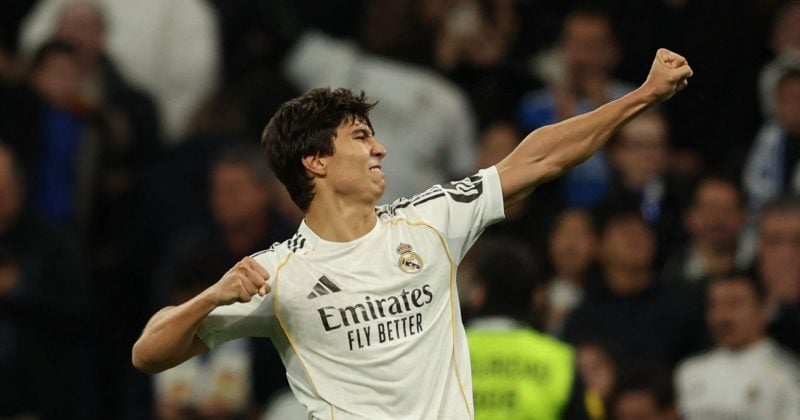
Via beinsports.com
Real Madrid’s €65M Rodri deal highlights how football’s transfer market dwarfs most crypto fundraising rounds
The Spanish midfielder's move from Manchester City puts traditional sports economics in perspective for an industry that measures deals in similar figures.
Real Madrid is set to sign Manchester City’s Rodri for approximately €65 million. Rodri, the 30-year-old Spanish midfielder, has reportedly agreed to personal terms on a four-year contract running through June 2030. He turned down a contract extension from Manchester City, making this move a matter of when, not if.
The deal and what’s driving it
Real Madrid’s opening bid was expected to land in the €50-60 million range, with the final figure settling around €65 million. Rodri won the Golden Ball at the 2026 World Cup, and Real Madrid’s interest reportedly intensified after that tournament performance. He was also the engine room of Manchester City’s treble-winning squad.
Manchester City is already exploring midfield reinforcements, with Ayyoub Bouaddi among the targets being pursued. The European transfer window typically closes in late August, which means both clubs are operating under deadline pressure.
Why crypto should pay attention to football economics
Rodri’s four-year contract means Real Madrid is effectively paying roughly €16 million per year just in transfer fee amortization, before wages even enter the picture. Football clubs have also been increasingly flirting with blockchain technology. Fan tokens, NFT ticketing, and tokenized ownership models have all emerged as experiments at the intersection of sports and crypto. Real Madrid itself has historically been cautious about crypto partnerships compared to clubs like Paris Saint-Germain and FC Barcelona, both of which have engaged with fan token platforms.
The news moving money, markets, and the world—before your day starts.
Daily. Free. Join 34,000+ readers across crypto, finance, and policy.
What this means for investors watching the sports-crypto intersection
Fan tokens remain a niche within crypto, and their price action is driven more by sentiment and club performance than by fundamental cash flows. Football clubs have century-old governance structures, regulated transfer mechanisms, and arbitration bodies. For investors tracking the convergence of sports and blockchain, the question is whether the platforms capturing fan attention can convert it into something durable.