
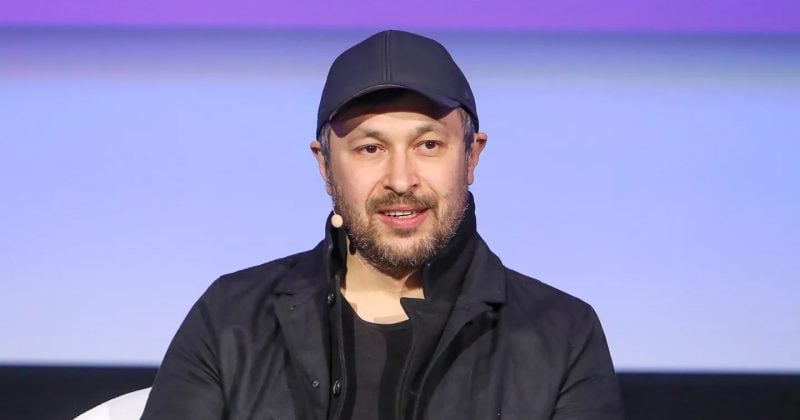
Solana co-founder Anatoly Yakovenko defends AI firms’ right to train on public data, citing US fair use laws
Yakovenko's comments arrive as Anthropic navigates a $1.5B copyright settlement, highlighting the growing collision between AI training practices and digital rights
Solana co-founder Anatoly Yakovenko waded into one of tech’s most contentious debates on July 21, arguing that US fair use laws protect AI companies like Anthropic when they use voluntarily published online data to train their models.
Yakovenko’s position is simple: if you put it on the internet voluntarily, AI companies should be able to learn from it. The legal system, however, is still working out whether it agrees.
The legal backdrop is messier than Yakovenko suggests
Anthropic, the company he specifically named, recently reached a $1.5B settlement related to copyright infringements involving digital books. A federal judge also issued a mixed ruling that drew a clear line in the sand. Purchased materials used for AI training? Potentially fair use. Pirated copies? Not so much.
Section 107 of the US Copyright Act, which governs fair use, considers factors like the purpose of the use, the nature of the copyrighted work, and the effect on the market for the original. Courts are evaluating AI training against all four factors, and the results have been anything but uniform.
Yakovenko’s framing focuses on “voluntarily published” content, which is a narrower claim than what many AI companies actually practice.
AI, tech, and the markets they move—in one daily briefing.
Daily. Free. Join 34,000+ readers across crypto, finance, and policy.
Why a blockchain founder cares about AI copyright law
Yakovenko didn’t announce any specific Solana projects or token launches tied to AI. No new protocol, no partnership reveal, no roadmap. But his public stance on the legality of AI data usage signals where his thinking might be headed. If fair use protections hold up for AI firms, blockchain-based solutions for data provenance become a “nice to have” rather than a legal necessity. If courts tighten restrictions, suddenly those solutions look essential.
Multiple crypto news outlets and analysts amplified his comments on social media, with many tagging $SOL in their discussions.
What this means for investors watching the AI-crypto convergence
If US courts ultimately settle on a broad interpretation of fair use that protects AI firms using publicly available data, the urgency for decentralized data marketplaces and on-chain licensing systems diminishes. On the other hand, if the $1.5B Anthropic settlement becomes a template rather than an outlier, AI firms will need robust systems for tracking data provenance, managing licensing, and compensating creators.
The broader risk here is that investors mistake a founder’s policy opinion for a product announcement. Yakovenko articulated a legal position, not a business strategy.