
Strait of Hormuz crossings drop 60% amid US-Iran tensions

https://en.wikipedia.org/wiki/Strait_of_Hormuz

Strait of Hormuz crossings drop 60% amid US-Iran tensions

Strait of Hormuz traffic normal by September 30

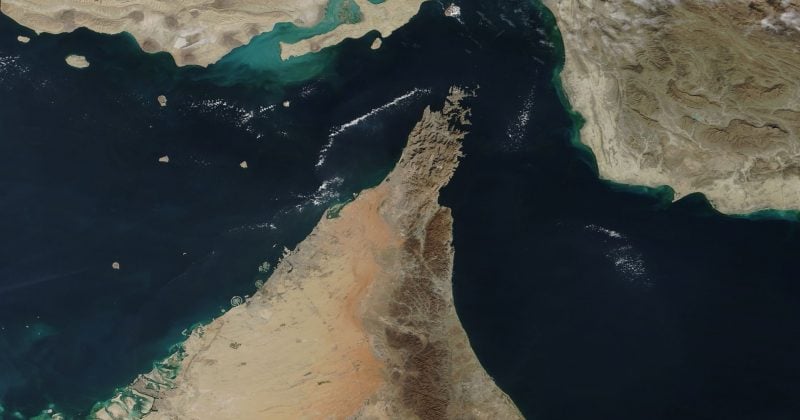
Maritime traffic monitor Kpler has reported a significant decrease in vessel crossings through the Strait of Hormuz, with only six crossings recorded on Thursday, marking a 60% decline from the previous day. This development is part of the ongoing 2026 Strait of Hormuz crisis, which involves heightened tensions between Iran and the United States over maritime security in the Persian Gulf. The Strait of Hormuz is a crucial global energy transit route, and such a substantial reduction in crossings suggests a continued high-risk environment rather than a return to normal traffic levels. Additional reports indicate a related decline in traffic through the Bab al-Mandeb Strait, another vital maritime chokepoint affected by regional tensions, including those linked to the Iran-U.S. confrontation.

Advertisement

Key Takeaways

  • Kpler’s report of reduced crossings in the Strait of Hormuz suggests persistent disruptions in this critical maritime corridor.
  • The drop in traffic through both Hormuz and Bab al-Mandeb appears consistent with ongoing regional instability and tension.
  • Market pricing indicates a decreasing likelihood of Strait of Hormuz traffic normalizing by the end of September.

What to Watch

Observers will closely monitor any developments in U.S.-Iran relations that might impact maritime security, particularly any ceasefire or de-escalation measures. Statements from key actors such as Iranian President Masoud Pezeshkian or U.S. Secretary of State Marco Rubio could influence market perceptions. Evidence of sustained normalization in traffic patterns, as reported by maritime intelligence firms like Kpler, would be a key indicator of potential stabilization. Conversely, new attacks or threats could further support scenarios where normal traffic levels remain elusive.

Get live prediction-market analysis, powered by Vera. Sign up for Vera.

Disclosure: This article was edited by Estefano Gomez. For more information on how we create and review content, see our Editorial Policy.

Strait of Hormuz crossings drop 60% amid US-Iran tensions

Strait of Hormuz crossings drop 60% amid US-Iran tensions

Strait of Hormuz traffic normal by September 30

https://en.wikipedia.org/wiki/Strait_of_Hormuz

Maritime traffic monitor Kpler has reported a significant decrease in vessel crossings through the Strait of Hormuz, with only six crossings recorded on Thursday, marking a 60% decline from the previous day. This development is part of the ongoing 2026 Strait of Hormuz crisis, which involves heightened tensions between Iran and the United States over maritime security in the Persian Gulf. The Strait of Hormuz is a crucial global energy transit route, and such a substantial reduction in crossings suggests a continued high-risk environment rather than a return to normal traffic levels. Additional reports indicate a related decline in traffic through the Bab al-Mandeb Strait, another vital maritime chokepoint affected by regional tensions, including those linked to the Iran-U.S. confrontation.

Advertisement

Key Takeaways

  • Kpler’s report of reduced crossings in the Strait of Hormuz suggests persistent disruptions in this critical maritime corridor.
  • The drop in traffic through both Hormuz and Bab al-Mandeb appears consistent with ongoing regional instability and tension.
  • Market pricing indicates a decreasing likelihood of Strait of Hormuz traffic normalizing by the end of September.

What to Watch

Observers will closely monitor any developments in U.S.-Iran relations that might impact maritime security, particularly any ceasefire or de-escalation measures. Statements from key actors such as Iranian President Masoud Pezeshkian or U.S. Secretary of State Marco Rubio could influence market perceptions. Evidence of sustained normalization in traffic patterns, as reported by maritime intelligence firms like Kpler, would be a key indicator of potential stabilization. Conversely, new attacks or threats could further support scenarios where normal traffic levels remain elusive.

Get live prediction-market analysis, powered by Vera. Sign up for Vera.

Disclosure: This article was edited by Estefano Gomez. For more information on how we create and review content, see our Editorial Policy.