
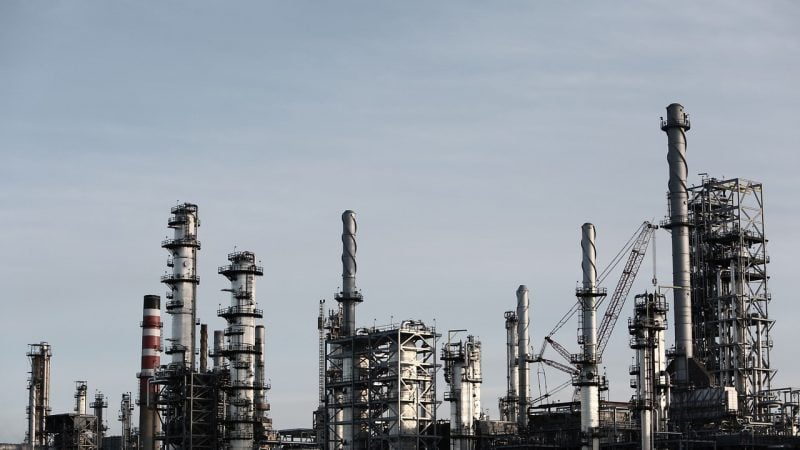
Photo: Life Of Pix / Pexels
Syzran and Saratov oil refineries halt operations after drone attacks
Ukrainian drone strikes knock out nearly 290,000 barrels per day of Russian refining capacity, deepening domestic fuel supply concerns
Two of Russia’s major oil refineries, both owned by Rosneft, have ceased crude processing after sustaining damage from Ukrainian drone attacks. The Syzran and Saratov facilities together account for roughly 290,000 barrels per day of refining capacity, and their simultaneous shutdown marks one of the more significant disruptions to Russian energy infrastructure since the war began in 2022.
The Saratov refinery went offline first, halting operations on September 11 following a strike on September 8. The Syzran refinery followed on September 15, after drones damaged its primary crude distillation unit, known as CDU-6. That single unit represents approximately 71% of the facility’s total processing capacity.
The scale of the damage
Syzran’s nameplate capacity sits at around 8.5 million metric tons per year, translating to roughly 150,000 to 170,000 barrels per day. Saratov adds another 7 million metric tons annually, or about 140,000 barrels per day.
Repair work at Syzran is expected to take at least a month, and that timeline assumes no further strikes complicate the process.
The Syzran refinery had already been hit in July 2026, an attack that destabilized its operational capacity well before the September strike delivered a more decisive blow. Both facilities have endured repeated drone assaults stretching back to the early months of the conflict.
Macro, rates, and crypto—what moved markets and what matters next.
Daily. Free. Join 34,000+ readers across crypto, finance, and policy.
Ukraine’s military has confirmed responsibility for the strikes, framing them as part of a deliberate strategy to degrade energy infrastructure that supports Russia’s war effort.
Domestic fuel supply under pressure
Russia has already been grappling with fuel supply constraints, and these shutdowns are expected to make things worse. Moscow has maintained restrictions on exports of gasoline, diesel, and jet fuel, measures designed to keep enough refined product circulating inside the country. The loss of 290,000 barrels per day of refining capacity, even temporarily, puts additional strain on a system that was already running with limited margin.
The shutdowns also arrive against the backdrop of stalled discussions around an energy-sector truce between Russia and Ukraine. Both sides have floated the idea of mutual restraint when it comes to targeting energy infrastructure, but the September strikes suggest those talks have not translated into operational reality. The pace of attacks appears to have intensified through 2025 and into 2026.