Taylor Monahan says chasing North Korea’s Binance loot is no longer worth it
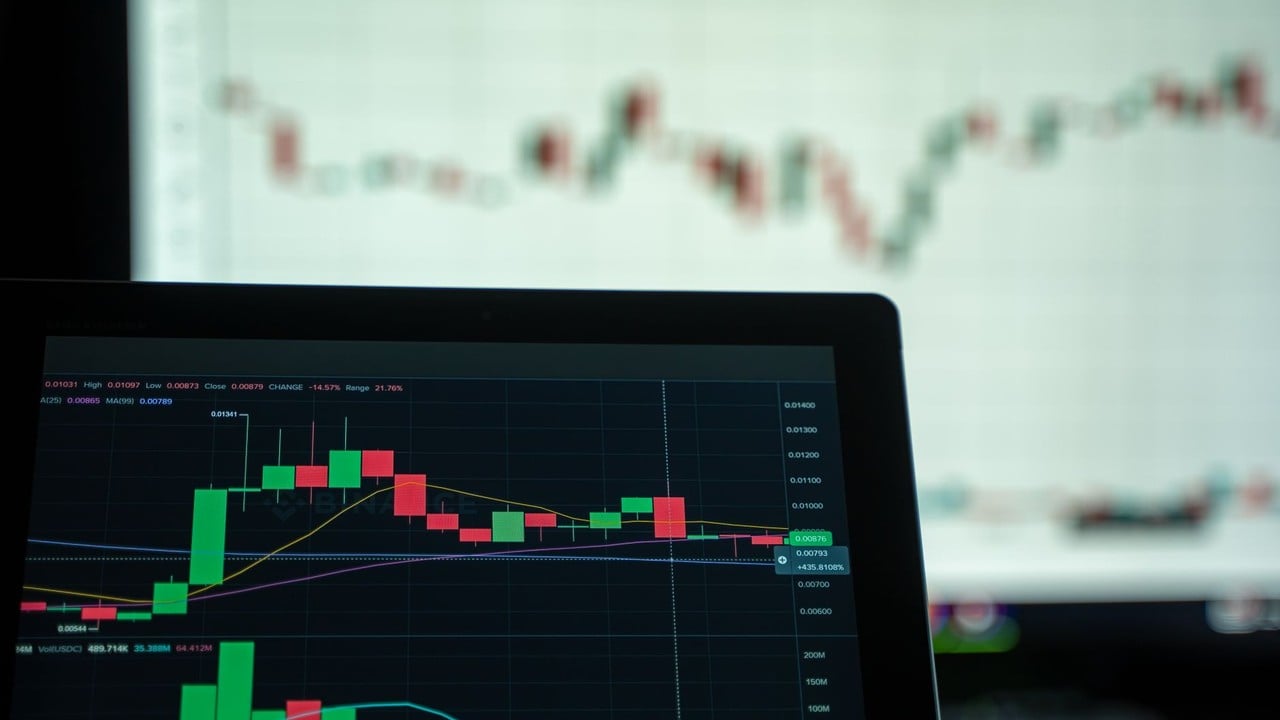
Photo: Rafael Minguet Delgado / Pexels
The security researcher has stopped tracing funds from the record Binance hack, citing automated laundering and shrinking odds of recovery
Security researcher Taylor Monahan has stopped tracking the crypto that North Korean hackers took from Binance. She says the funds that can still realistically be frozen are no longer worth the hours it takes to chase them.
Monahan made the remarks on a podcast episode recorded on a Tuesday in mid-November 2026. She blamed one thing above all: laundering has become far more automated than before.
The biggest heist on the books
The theft happened on October 29, 2026. Losses are estimated at $6.3 to $6.4 billion, the largest crypto theft recorded to date.
The attackers pulled funds out of Binance’s hot wallets across several blockchains, with most of the activity on Ethereum. The whole extraction reportedly took between 20 and 30 minutes.
The attack was attributed to TraderTraitor, a North Korean hacking group. The same group has been tied to other major breaches, including the February 2025 attack on Bybit.
Blockchain analytics firms TRM Labs and Chainalysis backed that attribution. They relied on on-chain and off-chain intelligence, close examination of wallets, and evidence that the stolen funds had been mixed with proceeds from earlier exploits.
The FBI issued an advisory on October 31 flagging addresses connected to the theft, which gave exchanges and other service providers a list of wallets to watch and block.
How it happened, and how Binance responded
Binance said the unauthorized withdrawals likely came from a compromised laptop belonging to one of its DevOps engineers. The exchange said it found no evidence that private keys had leaked.
The news moving money, markets, and the world—before your day starts.
Daily. Free. Join 34,000+ readers across crypto, finance, and policy.
The research findings describe social engineering as part of the attackers’ methods.
Binance used its reserves to cover nearly all of the losses. The exchange kept operating, and withdrawals returned to normal shortly after the incident.
Recovery efforts have frozen a substantial amount. Coordinated freezes across various crypto networks, along with government action, have locked up more than $2.7 billion.
A US Department of Justice order alone covers more than $1.2 billion of that.
Why the trail went cold
Monahan’s argument is about diminishing returns. Freezes are easiest in the first hours and days after a hack, when funds are still sitting in identifiable wallets or moving through services that can act on alerts.
The research findings say these changes in laundering practices are making traditional tracing methods less and less effective. Monahan’s decision is a response to that, not a loss of interest in the case.
What this means for exchanges and the wider market
Binance’s own explanation points to an endpoint compromise — a single laptop — and not a flaw in its key management.
The $2.7 billion in freezes shows that fast cooperation among networks, analytics firms and authorities can work.
The research findings flag several possible knock-on effects. The incident could draw renewed scrutiny from regulators worldwide, which may lead to stricter compliance demands on exchanges and other firms handling crypto.
For users, the immediate damage was contained because Binance covered the loss from its reserves.
TraderTraitor has now been linked to both the Bybit breach and this one, which points to a well-resourced operation that keeps going after large centralized platforms.
Disclosure: This article was edited by John Chen. For more information on how we create and review content, see our Editorial Policy.

