Peter Thiel’s lieutenant warns AI bubble could burst before end of 2026
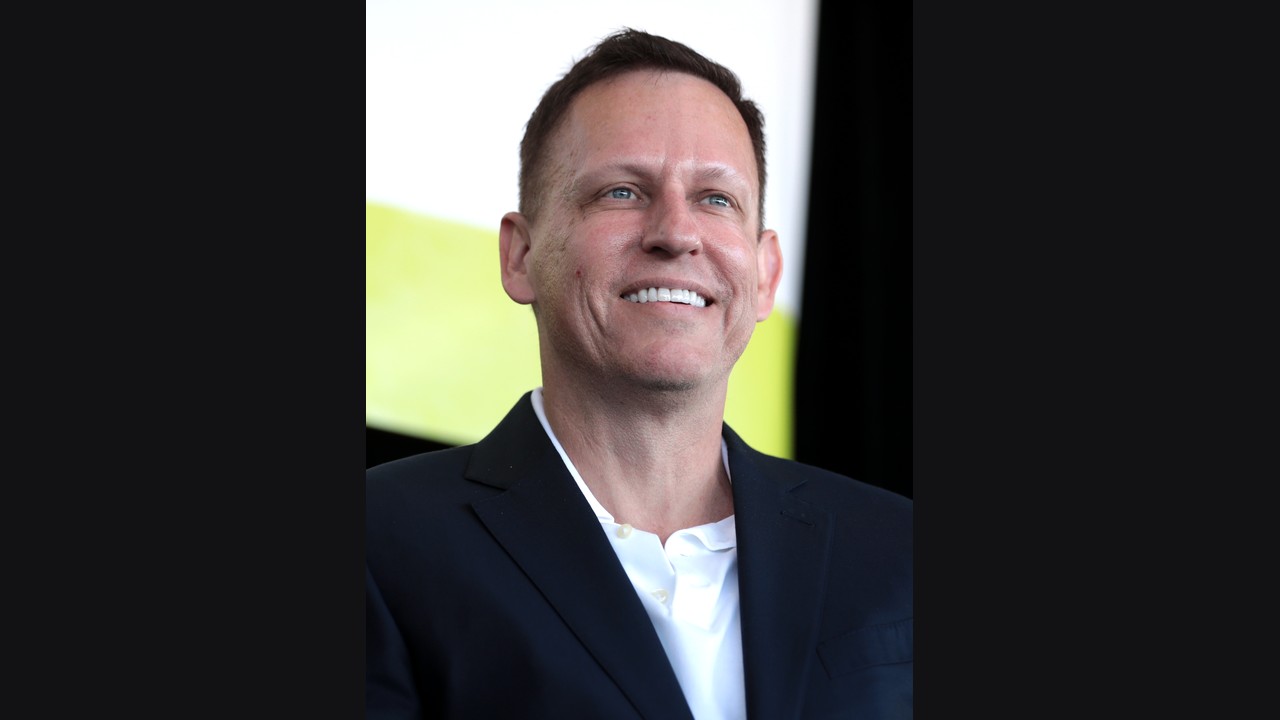
Gage Skidmore / Wikimedia Commons (CC BY-SA 3.0)
Thiel Capital's Jack Selby says the AI boom may be a speculative bubble, as infrastructure stocks slide and AI-linked debt yields climb
One of Peter Thiel’s most senior money managers thinks the AI party may be running out of punch. Jack Selby, managing director at Thiel Capital, warned that the current artificial intelligence boom could be a speculative bubble that bursts before the end of 2026.
That is a short fuse. Selby made the remarks at the SALT London conference on November 5, 2026, leaving the market less than two months to prove him wrong.
The warning and the wreckage around it
Selby’s comments did not arrive in a vacuum. They landed after a rough stretch for the companies building the physical backbone of the AI economy.
Shares of CoreWeave, Nebius and IREN each fell by more than 30% in the run-up to his warning. Those declines played out over roughly a month.
The stress is showing up in the bond market too. Some debt tied to CoreWeave traded at yields of around 15-16%.
Bond yields work like a fear gauge. The more a lender worries about getting paid back, the higher the return they demand for taking the risk. Yields in the mid-teens are the kind of numbers usually reserved for borrowers the market views with real suspicion.
Selby is not alone
The Thiel Capital executive’s view lines up with a growing chorus of skeptics from across finance. In late October and early November 2026, the CEO of PIMCO and Elon Musk both voiced concerns about AI-related debt.
AI, tech, and the markets they move—in one daily briefing.
Daily. Free. Join 34,000+ readers across crypto, finance, and policy.
Leaders at Apollo also weighed in, pointing to mounting stress in debt markets. A recurring theme in these warnings is a pointed question about revenue.
Specifically, skeptics are asking whether the money exists outside a small group of giant players, often called hyperscalers. These are the largest cloud and tech platforms with the cash flow to absorb massive AI spending.
Thiel’s own money has already moved
Perhaps the most telling signal comes from Thiel’s own portfolio. Filings show that Thiel-linked firms have substantially reduced their exposure to Nvidia.
According to 2026 disclosures, Peter Thiel’s hedge fund exited its Nvidia position, valued at around $100 million, in the third quarter of 2025. Nvidia has served as something of a benchmark stock for AI investing, which makes the move hard to ignore.
That sequencing matters. It suggests the warning reflects a longer-running view inside the Thiel orbit rather than a reaction to one bad month in the markets.
What this means for investors
The most immediate implication is that financing may get harder for AI infrastructure players. When bond yields climb into the mid-teens, raising fresh debt becomes expensive, and every new dollar borrowed eats further into future profits.
It is worth keeping the hedge in mind. Selby said the bubble could burst, not that it will.
What is harder to dismiss is the breadth of the concern. When a Thiel Capital executive, the head of PIMCO, voices at Apollo and Elon Musk are all raising flags about the same corner of the market within a few weeks, it signals a shift in tone among people who move serious capital.
The signals worth watching in the weeks ahead are fairly clear. Investors will be tracking whether yields on AI-linked debt keep rising, whether infrastructure stocks like CoreWeave and Nebius stabilize, and whether revenue beyond the hyperscalers starts to justify the spending.
Disclosure: This article was edited by Diego Almada Lopez. For more information on how we create and review content, see our Editorial Policy.

